2026 Best Hot Rolled Coil Options for Industrial Use?
In the rapidly evolving world of industrial manufacturing, the demand for Hot-Rolled Coil is growing. Experts like Dr. Sarah Johnson, a leading metallurgical engineer, emphasize its importance. She states, “Hot-Rolled Coils form the backbone of numerous applications, showcasing strength and flexibility.”
The year 2026 is just around the corner, presenting opportunities and challenges for industries using Hot-Rolled Coils. Companies need to assess their options carefully. This involves looking into different grades and their respective applications. Quality and consistency are vital. The right Hot-Rolled Coil can make a significant difference in production efficiency and product durability.
Yet, there are potential pitfalls. Without proper understanding, companies might select the wrong type. This decision can lead to unexpected failures and increased costs. Thus, understanding the various characteristics of Hot-Rolled Coils is essential for making the best choices in the upcoming years.
Understanding Hot Rolled Coils and Their Industrial Applications
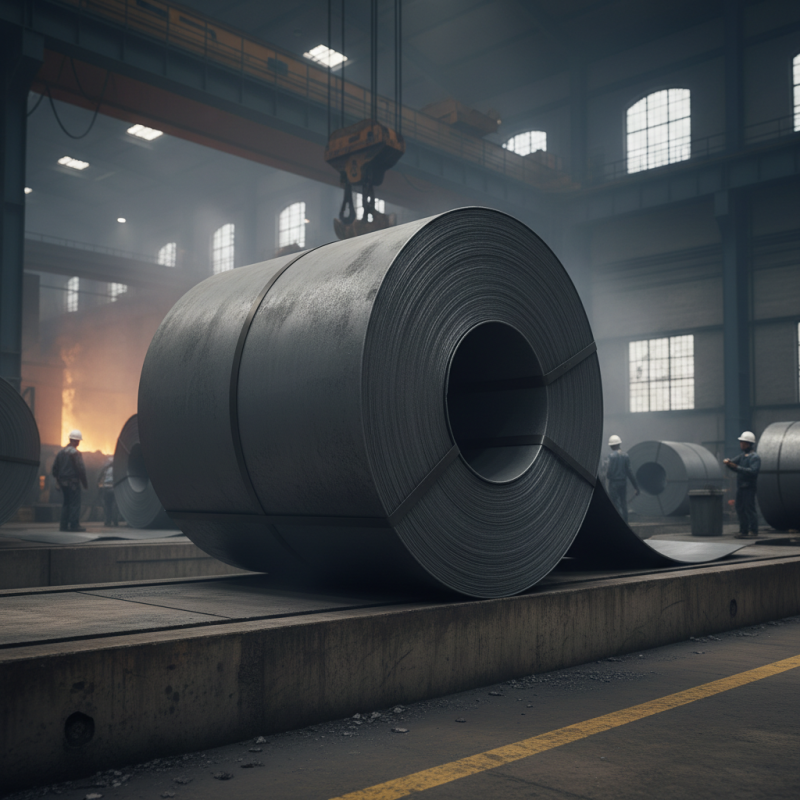
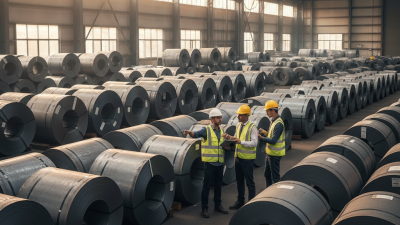
Hot rolled coils are a fundamental material in various industrial sectors. These coils are produced by heating metal slabs above their recrystallization temperature. This process allows for easier shaping and manipulation. As a result, hot rolled coils offer advantages like better ductility and malleability. They can be produced in various thicknesses and widths to meet specific project needs.
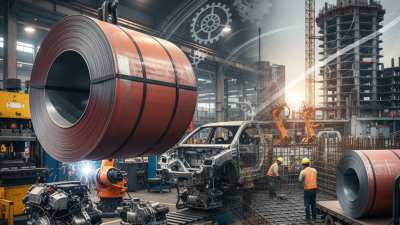
The industrial applications of hot rolled coils are vast. They are commonly used in construction, automotive, and manufacturing industries. In construction, they serve as structural beams, reinforcing bars, and plates. Their strength and flexibility make them ideal for heavy-duty applications. In the automotive industry, hot rolled coils are used in making chassis components and frames. However, not all hot rolled coils are equal. Variations in quality can lead to challenges in certain projects.
Understanding the specifications of hot rolled coils is crucial. Companies should consider factors like thickness, tensile strength, and finish. Some hot rolled products might require additional treatment for enhanced performance. It’s important to evaluate these aspects to avoid complications in later stages of production. Each application may demand unique properties, leading to the need for careful selection. A small oversight in choosing the right coil can lead to significant issues.
Key Factors to Consider When Choosing Hot Rolled Coils
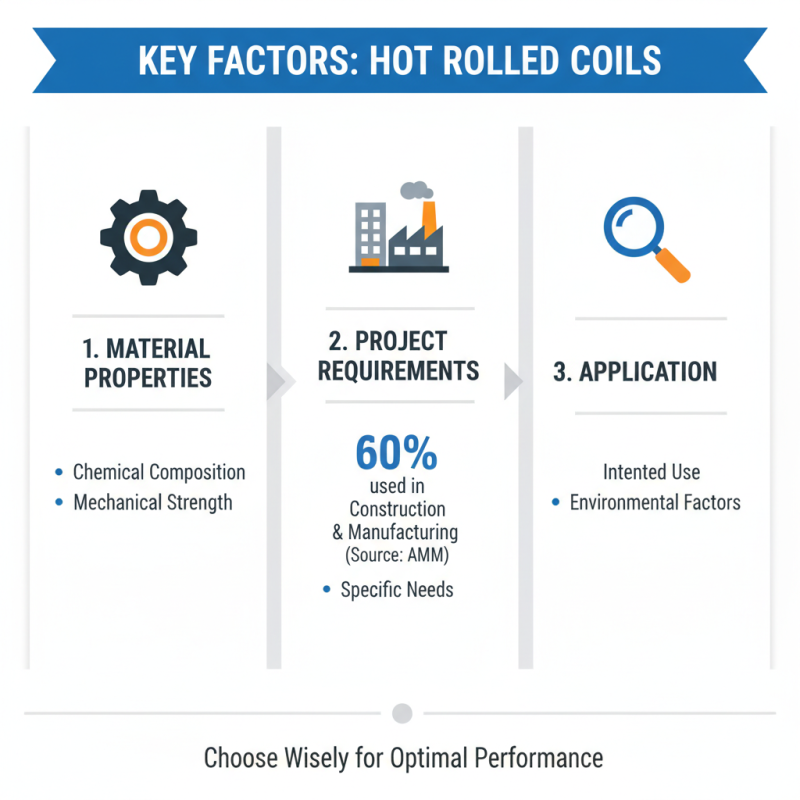
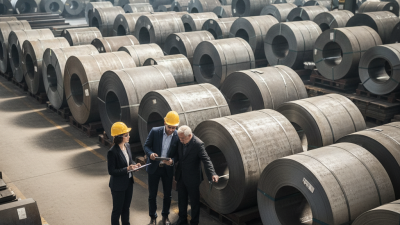
When selecting hot rolled coils for industrial use, understanding the key factors is crucial. Material properties, such as chemical composition and mechanical strength, play a significant role. According to the American Metals Market, nearly 60% of hot rolled coils sold are used in construction and manufacturing sectors. Therefore, knowing the specific requirements of your project is essential for making the right choice.
Thickness and width of the coils significantly impact performance. Standard thickness ranges from 1.5 mm to 25 mm. Coils used in demanding environments need to withstand high pressures without deformation. Furthermore, surface finish matters. A smooth finish can improve formability, while a rough surface may enhance bonding capabilities. It's also worth considering cost-efficiency. A report by Research and Markets suggests that price volatility in the steel market can affect budgeting strategies.
Quality certifications also cannot be overlooked. A lack of certification may indicate inconsistencies in production quality, raising concerns for end-users. The ISO standards for quality assurance are important. Many industries mandate compliance for safety and reliability. Evaluating options thoughtfully ensures optimal performance and reduced scrap rates.
Top Manufacturers of Hot Rolled Coils in 2026
In 2026, the industrial use of hot rolled coils is set to expand significantly. The demand for these materials is influenced by several key manufacturers in the sector. Reports indicate that the global capacity for hot rolled coils is projected to reach 600 million tons by 2026. This statistic is a reminder of the industry's rapid growth. However, efficiency and sustainability remain challenges for many producers.
Top manufacturers are focusing on refining their processes. Innovations in production techniques aim to reduce waste and energy usage. Data suggests that cutting-edge mills can produce coils with minimal defects, achieving quality levels above 95%. Yet, inconsistencies still exist. Some firms struggle to keep up with the rising standards set by their competitors.
Quality assurance is paramount. Many experts agree that manufacturers need to invest more in testing technologies. Enhanced analytical tools can pinpoint flaws early in the production line. Building a reputation for reliability may take years, but it is crucial in this competitive market. The landscape remains dynamic, demanding adaptability in approaches to production and quality control.
2026 Best Hot Rolled Coil Production Capacity Comparison
Comparative Analysis of Hot Rolled Coil Grades and Specifications
Hot rolled coils (HRC) are vital in industries such as construction and manufacturing. Their properties vary significantly across different grades. The right choice of hot rolled coil can impact production efficiency and end product quality. A recent industry analysis highlights the importance of understanding these differences.
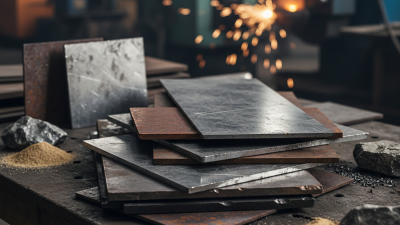
For instance, ASTM A1011 is a common HRC specification that ensures a yield strength of at least 33 ksi. However, grades such as ASTM A36 provide lower tensile strength but greater flexibility. This variability can lead to either increased durability or susceptibility to wear. A thorough examination of chemical composition helps in making informed decisions. Carbon content is one of the key factors here; lower carbon levels can enhance formability but reduce strength.
Manufacturers often face challenges in selecting the best stock. Production processes can amplify these issues, as varying thicknesses and width tolerances play a crucial role. Precision in specifications can ensure smoother operations and better product integrity. Exploring the comprehensive characteristics of each HRC grade is essential, yet many businesses overlook these critical details. This gap can result in unexpected costs and operational delays, highlighting the need for diligent research and consultation in the selection process.
Future Trends in Hot Rolled Coil Production and Usage
As industries evolve, so does the production and application of hot rolled coils. In 2026, we anticipate significant advancements in manufacturing techniques. Automation and AI are likely to enhance efficiency, quality, and consistency. Modern facilities will focus on reducing energy consumption while maintaining high output levels. Sustainability will become a key factor, with companies striving to lessen their carbon footprint.
The demand for hot rolled coils will shift across different sectors. The construction industry may see a rise in usage due to ongoing infrastructure projects. These coils provide strength and versatility, making them essential for various applications. However, the environmental impact raises questions. Are we balancing productivity with sustainability? This dilemma will challenge manufacturers to innovate responsibly.
Future trends may also lead to specialized coils designed for specific uses. Tailored properties can meet unique industrial demands. Yet, as we push for advancement, there remains a risk of overlooking fundamental quality standards. Continuous monitoring and improvement will be crucial in ensuring that innovations do not compromise reliability. The journey ahead is full of opportunities, requiring careful consideration and foresight.



 +86 18865111877