2026 Top Trends in Hot Rolled Steel In Coils How to Choose the Best?
In the dynamic world of manufacturing, the demand for Hot Rolled Steel In Coils is on the rise. Industry expert Dr. Emily Johnson notes, "Understanding the trends in Hot Rolled Steel In Coils can significantly impact production efficiency." This statement highlights the need for businesses to stay informed about the evolving landscape of hot rolled steel.
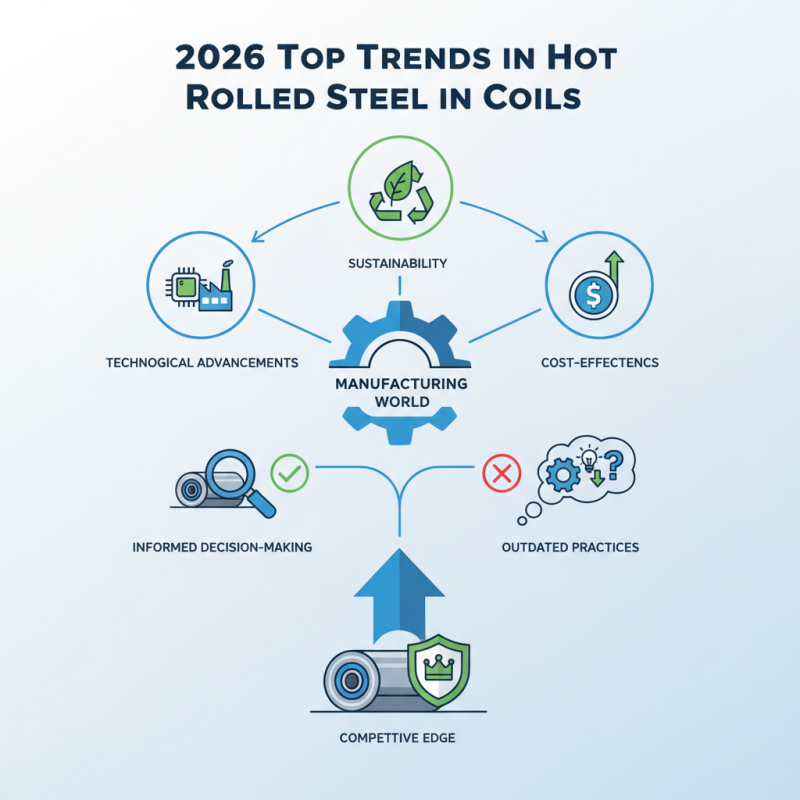
As we approach 2026, key trends are emerging that will shape this sector. Technological advancements, sustainability, and cost-effectiveness are at the forefront. Companies are exploring innovative methods for sourcing and utilizing Hot Rolled Steel In Coils. Addressing these trends demands careful consideration. It’s crucial to evaluate the specific needs and challenges of each business.
However, not all choices may yield optimal results. Some firms might overlook critical factors or rely on outdated practices. Reflecting on these aspects can lead to better decision-making. The right strategy for selecting Hot Rolled Steel In Coils is essential for maintaining a competitive edge in the industry.
2026 Overview of Hot Rolled Steel Coil Market Trends
The hot rolled steel coil market is evolving rapidly. According to recent industry reports, the global market size is projected to reach $220 billion by 2026. An increase in demand from construction and automotive sectors drives this growth. Yet, understanding the market's dynamics is crucial for making informed purchases.
In 2026, we expect several trends to shape the market. Automation in manufacturing is one of them. Improved technology enhances efficiency in production lines. It reduces waste and improves overall quality. Reports indicate that automated processes will account for 30% of the production by 2026. However, not all companies are adopting this technology. The challenge remains for those hesitant to invest.
Another key trend is the shift towards sustainability. Major players are focusing on reducing carbon emissions. Studies show that nearly 50% of producers aim for eco-friendly practices in the next few years. This change brings complexity. Companies face high initial costs for new equipment. It is essential to weigh these factors when choosing the best providers. The landscape is competitive and requires careful consideration.
Key Factors Influencing Hot Rolled Steel Coil Demand in 2026
The demand for hot rolled steel coils is expected to rise significantly in 2026. This growth is driven by several key factors. Infrastructure development remains a primary influence. Governments worldwide are investing heavily in projects. For instance, the global construction market is projected to reach $15 trillion by 2030. Such investments fuel the need for raw materials, including hot rolled steel.
Another factor affecting demand is the automotive industry. The transition to electric vehicles is reshaping market dynamics. According to recent reports, EV production is predicted to increase by 25% annually. This shift requires advanced materials. Hot rolled steel plays a vital role in vehicle manufacturing.
Additionally, fluctuations in raw material costs can impact pricing. The volatility of iron ore prices poses challenges for manufacturers. Reports suggest prices could rise by 15-20% in the coming years. This unpredictability may lead to hesitations among buyers. As such, understanding these market dynamics is crucial for making informed purchasing decisions.
Comparison of Different Hot Rolled Steel Coil Grades and Their Uses
When selecting hot rolled steel coils, understanding the different grades is crucial. Each grade offers unique properties and applications. For example, Grade A36 is commonly used in structural applications. It’s known for its weldability and affordability. This makes it a favorite among builders and manufacturers.
On the other hand, higher grades like S355 have enhanced strength and resilience. They are ideal for demanding projects, such as bridges. However, these grades can be more expensive. There’s often a trade-off between cost and performance. Not every project requires the highest grade; sometimes, a lower grade suffices.
Moreover, the surface quality can differ significantly between grades. Some may have more scale or blemishes, affecting aesthetic choices. Choosing a lower grade might lead to visible imperfections. These small details can impact overall project quality. Assess your project's specific needs before making decisions. Reflecting on these factors can lead to better outcomes in the long run.
Best Practices for Selecting Hot Rolled Steel Coils for Your Projects
Choosing the right hot rolled steel coils for your project can be challenging. It’s essential to consider specific requirements. Start by assessing the steel grade you need. Various grades offer different mechanical properties. A thorough understanding of these properties helps in making informed decisions.
Next, think about the coil thickness. Thicker coils may provide better strength but can be less flexible. The intended use of the steel dictates these choices. Consider the environment where the steel will be used. Exposure to moisture or chemicals can impact steel performance.
Lastly, check the manufacturer’s reputation and quality standards. Some suppliers may not meet your expectations. It’s crucial to conduct a background check before making any purchase. This step can help avoid future disappointments. Keep in mind; even small mistakes in selection can lead to larger issues down the road.
2026 Top Trends in Hot Rolled Steel In Coils How to Choose the Best? - Best Practices for Selecting Hot Rolled Steel Coils for Your Projects
| Dimension |
Metric |
Application |
Quality Grade |
Surface Finish |
| Thickness |
1.5 mm |
Structural Components |
S235 |
Pickled |
| Width |
1250 mm |
Automotive Industry |
S275 |
Oiled |
| Weight |
3 tons |
Construction Projects |
S355 |
Matte |
| Length |
6000 mm |
Fabrication |
SS400 |
Bright |
Future Innovations and Technologies in Hot Rolled Steel Production
Innovations in hot rolled steel production are shaping the industry. Advanced techniques are reducing waste and energy consumption. According to a recent industry report, energy-efficient processes can lower production costs by up to 25%. This shift not only maximizes profits but also minimizes the carbon footprint.
Technologies like automated monitoring systems are emerging. These systems use AI to predict malfunctions, ensuring smoother operations. Moreover, the trend towards sustainable sourcing is gaining traction. More mills are adopting recycled steel in production. Studies show that using recycled materials can reduce emissions by over 40%.
Tip: Consider the lifecycle of materials. Opt for suppliers that prioritize sustainability.
Another area of growth is smart manufacturing. Connecting machines to IoT can enhance production efficiency. This connectivity allows for real-time data analysis. Yet, implementing these technologies can be daunting. Many mills struggle with the initial investment and training of staff.
Tip: Evaluate cost versus benefits carefully. Start with pilot projects to gauge efficiency gains.




 +86 18865111877