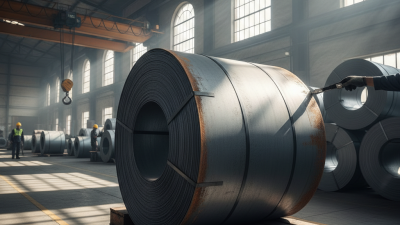
In the construction and industrial sectors, the significance of Steel Carbon Plate cannot be overstated. According to a recent report by the Steel Construction Institute, the demand for Steel Carbon Plate is projected to grow by 7% annually. This growth reflects its versatile applications, ranging from buildings to machinery. Experts like Dr. Emily Thompson emphasize, “Steel Carbon Plate remains the backbone of modern infrastructure due to its strength and durability.”
Steel Carbon Plates are valued for their high tensile strength. They offer excellent weight-bearing capacities, making them ideal for heavy-duty applications. Additionally, they resist corrosion effectively, which increases longevity despite environmental challenges. However, it's worth noting that improper handling can lead to defects, necessitating careful oversight during construction processes.
The sustainability aspect is also critical. Reports indicate that recycling Steel Carbon Plate can significantly reduce emissions associated with production. However, only 30% of the industry currently engages in recycling practices. This discrepancy warrants reflection on improving sustainability standards. Ultimately, the benefits of Steel Carbon Plate extend beyond construction; they encompass environmental stewardship and economic efficiency, even if the industry has room for improvement.
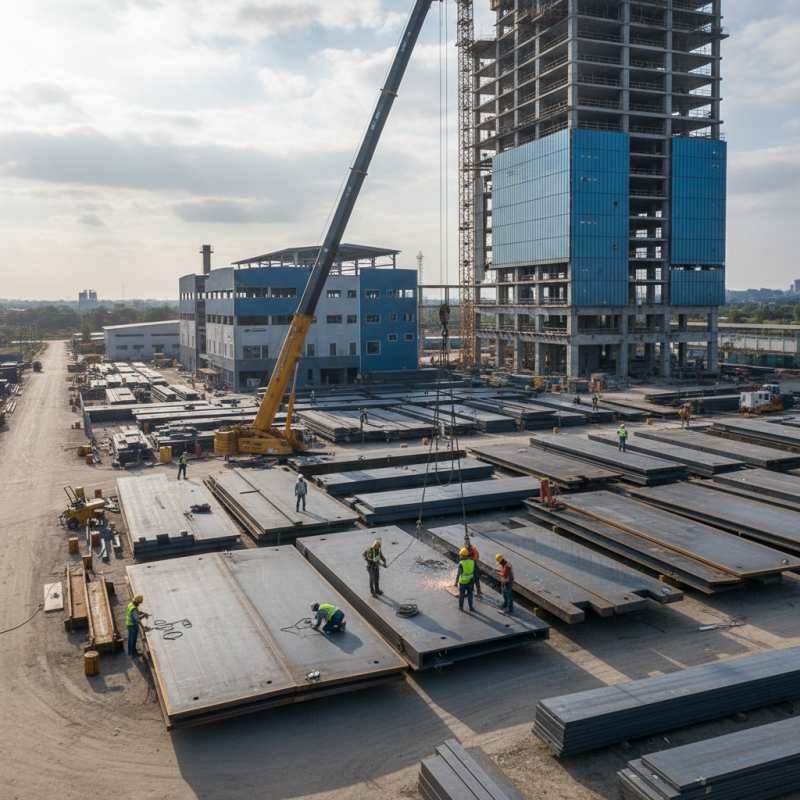
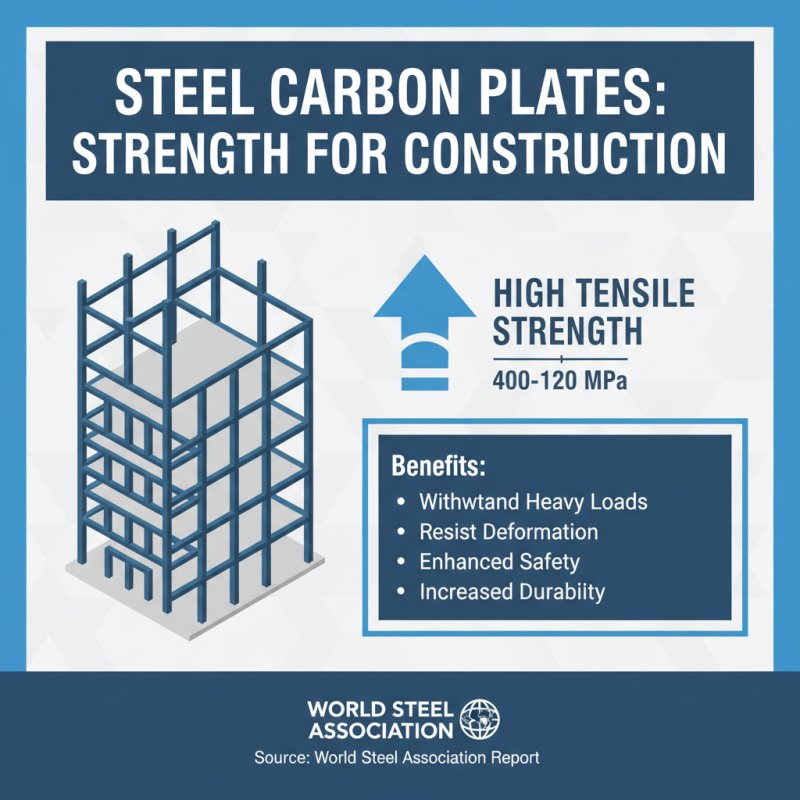
High tensile strength is one of the primary benefits of steel carbon plates. This quality makes them a preferred choice in construction applications. According to a report by the World Steel Association, steel exhibits a tensile strength ranging from 400 to 1,200 MPa, making it exceptionally strong. This strength allows structures to withstand heavy loads and resist deformation, ensuring safety and durability.
In construction, the high tensile strength of steel carbon plates permits the design of lighter, more efficient structures. Engineers can create longer spans and taller buildings with fewer materials. For example, using steel with high tensile properties can reduce material costs by up to 30%. However, it is important to reflect on the potential challenges. The fabrication of these plates often requires precise engineering and quality control. Any failures in these processes can lead to structural weaknesses.
While the advantages are evident, some drawbacks also exist. High-strength steel can be more difficult to weld and requires specialized techniques. This complexity can increase project timelines and costs. Moreover, continual exposure to harsh environments can impact the long-term performance of these materials. Developers need to weigh these factors when integrating steel carbon plates into their projects. Balancing strength with practicality is crucial for successful construction outcomes.
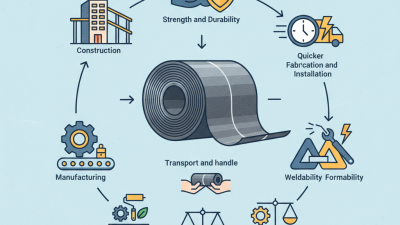
Steel carbon plates have gained attention for their corrosion resistance, enhancing the longevity of structures significantly. A study from the American Institute of Steel Construction reveals that steel structures can last over 50 years with proper maintenance. However, corrosion remains a major issue. When exposed to moisture, oxygen, and pollutants, steel can deteriorate rapidly. Using steel carbon plates with protective coatings can mitigate this problem.
Field data indicates that structures using steel carbon plates have 30% less corrosion over a decade compared to uncoated alternatives. This improvement translates into lower maintenance costs and reduced downtime. Still, challenges exist. Not all coatings perform equally. Factors like environmental conditions and application techniques can affect durability. It's essential to choose the right type of coating.
Moreover, while steel carbon plates are generally robust, they can still succumb to corrosion if not monitored. Regular inspections are crucial to identify potential weaknesses. Industry standards emphasize routine maintenance schedules. Organizations should be aware of the need for vigilance. This ensures that the benefits of using steel carbon plates are fully realized, thereby extending the life of structures.
| Benefit | Description | Impact on Longevity |
|---|---|---|
| Corrosion Resistance | Steel carbon plates offer excellent resistance to rust and corrosion, ensuring that structures remain intact over time. | Reduces maintenance costs and extends lifespan. |
| Strength and Durability | High tensile strength makes it suitable for heavy load-bearing applications. | Support for longer-lasting constructions. |
| Versatility | Can be used in various applications such as bridges, buildings, and machinery. | Reduces need for multiple materials. |
| Cost-Effective | Generally more affordable than other metals, offering great value. | Lower overall project costs. |
| Ease of Fabrication | Relatively easy to cut, weld, and shape to specific needs. | Speeds up construction process. |
| Recyclability | Steel can be recycled at the end of its life cycle, reducing waste. | Promotes sustainability and environmental friendliness. |
| High Thermal Conductivity | Excellent heat transfer properties for various applications. | Enhances performance in thermal applications. |
| Impact Resistance | Withstands mechanical shocks and impacts efficiently. | Increases safety and reliability of structures. |
| Aesthetic Appeal | Can be finished for visual appeal in architecture and design. | Improves the appeal of structures. |
| Availability | Widely produced and easily sourced across the globe. | Ensures timely project completion. |
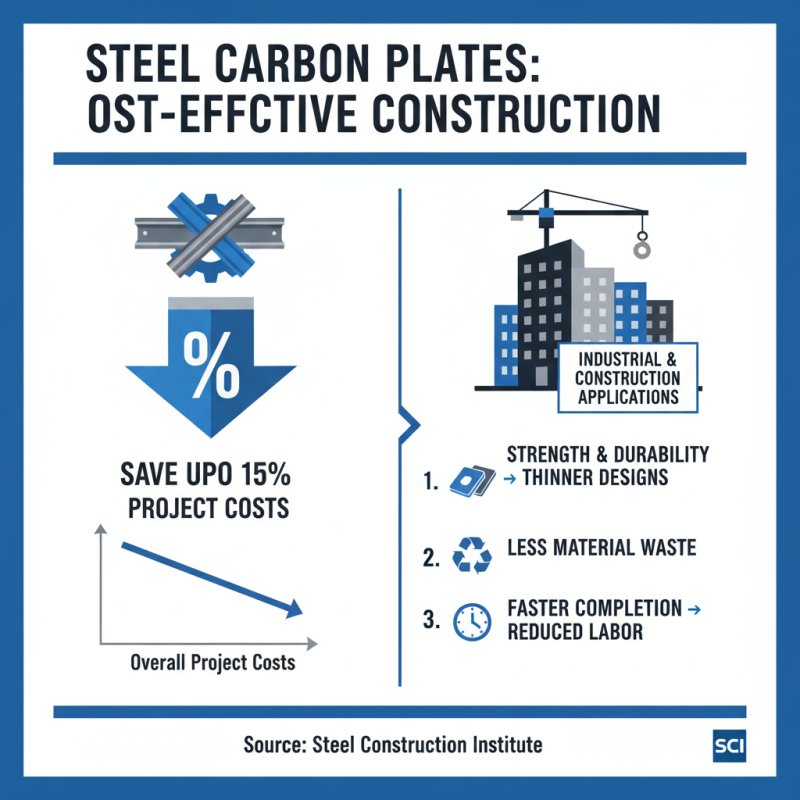
Steel carbon plates have emerged as a cost-effective solution in construction and industrial applications. Recent studies indicate that utilizing these materials can lead to savings of up to 15% in overall project costs. This reduction stems from their strength and durability, which allow for thinner designs and less material waste. For instance, according to the Steel Construction Institute, projects using steel components often take less time to complete, further driving down labor costs.
An analysis by the American Institute of Steel Construction (AISC) noted that steel carbon plates’ recyclability contributes to sustainability efforts. Recycling steel can significantly lower production costs and minimize environmental impact. While steel is often viewed as a higher upfront investment, the long-term savings validate its expense. However, some companies may overlook these benefits due to initial budgeting concerns.
It's essential to consider potential drawbacks. There can be unexpected expenses linked to steel fabrication. Additionally, fluctuations in steel prices can disrupt budgets. These uncertainties highlight the need for careful planning and forecasting. Balancing immediate costs with long-term gains is crucial for optimizing material use in industrial projects. The cost-effectiveness of steel carbon plates often requires a re-evaluation of traditional methods.
Steel carbon plates play a significant role in promoting eco-friendly construction practices. These plates are known for their durability and strength. According to the World Steel Association, steel is one of the most recycled materials globally, with over 80% of steel scrap being repurposed. This recycling process reduces energy consumption and CO2 emissions significantly, aligning with sustainable construction goals.
Using steel carbon plates also minimizes wastage in construction. Scrap material generated from steel products can be reused in various applications. Recent studies have shown that using recycled steel can cut down energy usage by 60% compared to using virgin steel. This not only conserves resources but also lowers greenhouse gas emissions.
Tips: When selecting materials for a project, consider the life cycle and recyclability of the product. Opting for steel can lead to reduced environmental impact. Be mindful of sourcing steel from suppliers that prioritize sustainability. At times, there may be challenges in sourcing locally, which can lead to a higher carbon footprint. Thus, weighing the benefits against logistical considerations is crucial.
Steel carbon plates have transformed modern architecture through their versatility in design. Architects favor them for their strength and flexibility. According to a report from the Steel Construction Institute, structures utilizing steel carbon plates can achieve up to 30% more load-bearing capacity compared to traditional materials. This allows for bolder designs and innovative shapes.
The beauty of steel carbon plates lies in their adaptability. They can be shaped, welded, and fabricated to meet the specific needs of a project. For instance, curved façades and intricate structural systems are increasingly feasible. However, some challenges arise. The cost fluctuations of raw materials can lead to budget overruns. Additionally, the aesthetic appeal of steel might not suit everyone's taste. Designers must balance functionality with visual impact.
Environmental considerations also play a critical role in using steel carbon plates. While these materials are recyclable, the production process is energy-intensive. Reports indicate that manufacturing steel results in significant carbon emissions. Architects should reflect on these factors when choosing materials. The quest for sustainability remains ongoing. Perfecting this balance will define the future of architectural design.