The Best Carbon Steel Sheet Slit Coil for Your Industrial Needs
When it comes to industrial applications, the choice of materials is crucial. Carbon Steel Sheet Slit Coil stands out as a versatile option for numerous projects. This material offers exceptional strength and durability. It can withstand heavy loads and extreme conditions, making it an ideal choice for various industries.
Many manufacturers rely on Carbon Steel Sheet Slit Coil for its ease of use and flexibility. The coil's design allows for efficient processing and handling. It's essential to select high-quality coils to ensure optimal performance. Using subpar materials can lead to costly failures.
Investing in the right Carbon Steel Sheet Slit Coil requires research. Understanding specifications and applications is vital. Inconsistent quality can be a major concern. By choosing wisely, users can enhance their projects and achieve better results.
Understanding Carbon Steel Sheet Slit Coils and Their Applications
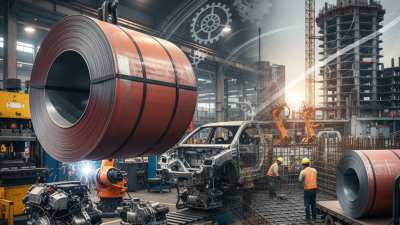
Carbon steel sheet slit coils are versatile materials widely used in various industries. They are made from a combination of iron and carbon, which provides strength and durability. These coils are usually processed into specific dimensions to suit different applications. For instance, they can be used in manufacturing components such as automotive parts, appliances, and even construction materials. The right choice of a carbon steel coil can greatly influence the efficiency of production.
When selecting a coil, understanding its properties is crucial. The thickness and tensile strength can affect performance in different environments. Some applications may expose the steel to harsh conditions, demanding higher resistance to corrosion. However, not all coils will meet these rigorous demands. Occasionally, a coil may not deliver the expected results. Reflecting on past projects, some industries have found that a lack of careful consideration in choosing materials led to failures.
A detailed evaluation of requirements is necessary to avoid such issues. While carbon steel coils are generally reliable, variations in quality can impact outcomes. Industries need to assess their specific needs closely. Sometimes, investing in better materials can lead to smoother operations. In the end, understanding and applying knowledge about carbon steel is vital for industrial success.
The Best Carbon Steel Sheet Slit Coil for Your Industrial Needs
| Dimension (mm) |
Thickness (mm) |
Weight (kg) |
Finish |
Application |
| 1000 x 2000 |
1.5 |
15 |
Hot Rolled |
Structural Components |
| 1200 x 2400 |
2.0 |
24 |
Cold Rolled |
Manufacturing |
| 1500 x 3000 |
3.0 |
45 |
Galvanized |
Automotive Parts |
| 2000 x 4000 |
4.0 |
80 |
Painted |
Construction |
Key Qualities to Look for in High-Quality Carbon Steel Sheets
When selecting high-quality carbon steel sheets, certain key qualities matter most. The surface finish is crucial. A smooth, clean finish indicates good manufacturing practices. Look for sheets with minimal defects. Any imperfection could weaken the material integrity.
Thickness is another important factor. Consistent thickness ensures uniform strength. Variations can lead to unexpected failures during applications. Additionally, check for precise width and length. These dimensions need to meet your specifications precisely. Any deviations may cause complications in the production process.
Lastly, consider the level of carbon content. Higher carbon levels typically mean better strength and hardness. However, too much carbon can make the material brittle. Finding a balance here is essential. Take time to evaluate your specific needs before making a decision. Remember, the right carbon steel sheet can enhance your project's success.
The Best Carbon Steel Sheet Slit Coil for Your Industrial Needs
Comparative Analysis of Different Carbon Steel Coil Specifications
When selecting carbon steel sheet slit coils, various specifications must be compared. Steel thickness, width, and finish significantly affect performance. For example, a common thickness range is 0.5 mm to 6.0 mm. A recent industry report showed that coils below 2 mm are favored in automotive applications. They offer better formability and weight reduction.
The width of coils often ranges from 30 mm to 1,500 mm. Wider coils can enhance efficiency in manufacturing. However, they may require more storage space. The surface finish is also critical. A smoother finish can improve corrosion resistance. According to ASTM standards, different finishes have varying mechanical properties.
Tips: Always consider the application before choosing a specification. Consult industry guidelines and compare different materials. Be aware of the trade-offs in the thickness and finish of the coils. Choices that seem economical may lead to performance issues later on. Evaluate long-term needs over short-term gains.
Best Manufacturers and Suppliers of Carbon Steel Sheet Slit Coils
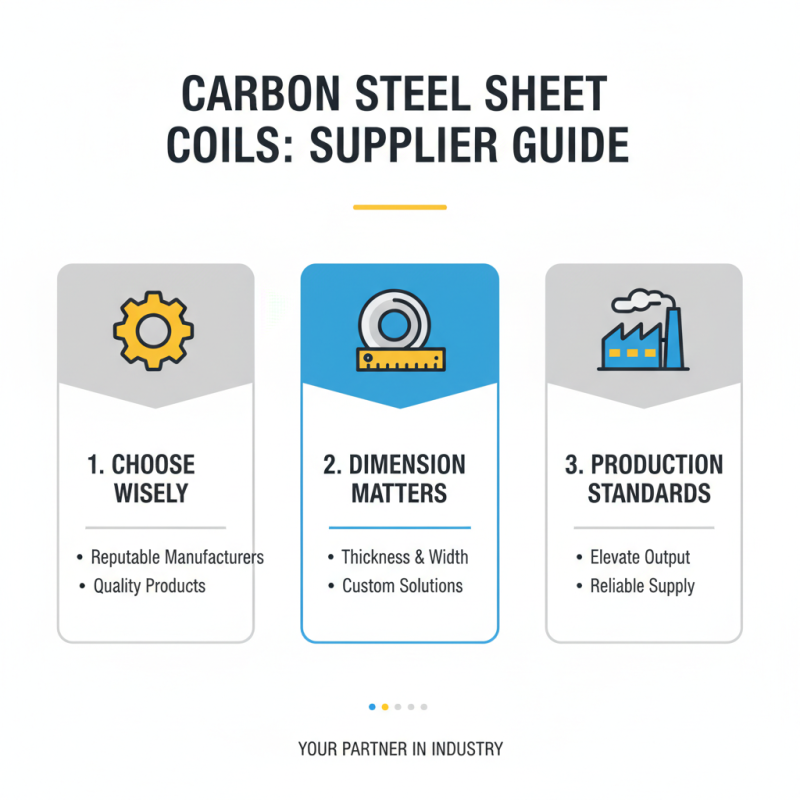
When looking for carbon steel sheet slit coils, it’s important to know your suppliers. The right manufacturer can elevate your production standards. These manufacturers provide various thicknesses and widths. Choosing the right dimension is crucial for your specific industrial needs. They often offer custom solutions. However, not all suppliers guarantee high-quality products.
Quality control matters. Some suppliers may fall short. Always check their certifications and past client feedback. A reputable supplier should offer transparency in their production process. Look into their raw materials sourcing. It can affect the steel's durability and performance. Some manufacturers may not provide this information willingly, so ask questions.
Additionally, pricing can be misleading. While some companies offer low prices, the quality might be compromised. Balancing cost with quality is key. Be wary of deals that seem too good to be true. Research and due diligence are essential to finding the right supplier. It’s about building a reliable partnership for your industrial needs. Each choice you make should reflect your long-term vision.



 +86 18865111877