Best Hot Rolled Steel Coil Carbon Suppliers for Global Buyers?
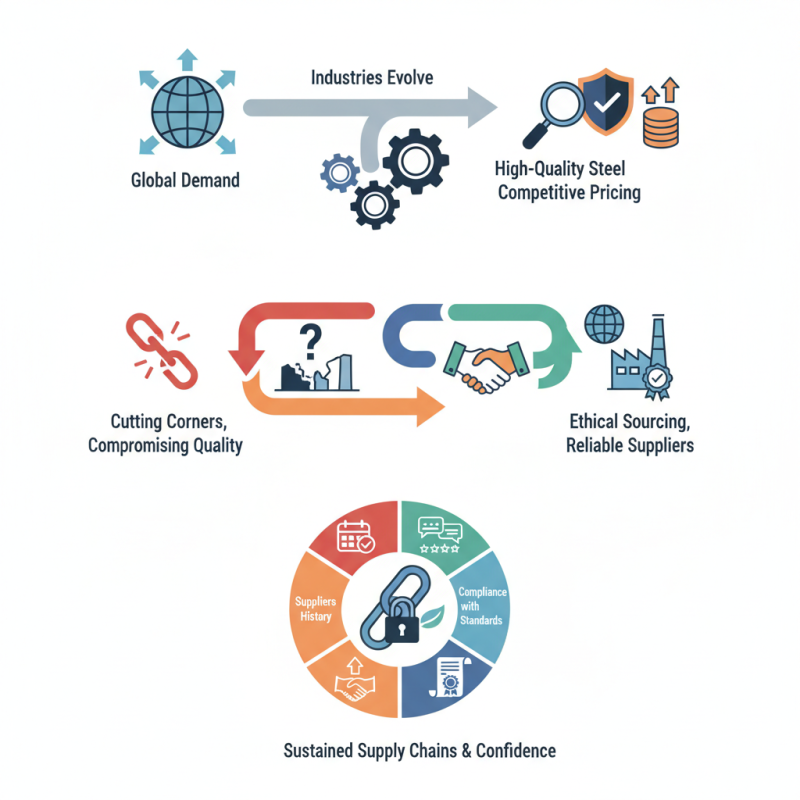
The demand for Hot Rolled Steel Coil Carbon is rising globally. As industries evolve, sourcing high-quality steel has become essential. Buyers seek reliable suppliers who can provide consistent quality and competitive pricing.
Understanding the intricacies of Hot Rolled Steel Coil Carbon is vital for effective procurement. It involves not only selecting the right material but also ensuring ethical sourcing practices. Some suppliers may cut corners, compromising quality. This poses risks to long-term projects and partnerships.
Market dynamics shift rapidly, and not all suppliers can adapt. It's crucial for buyers to evaluate their options. They should consider the suppliers' history, customer feedback, and compliance with standards. Genuine connections with reputable suppliers can lead to better deals and sustained supply chains. Fostering these relationships can bring clarity and confidence in the procurement process.
Understanding Hot Rolled Steel Coils: An Overview for Global Buyers
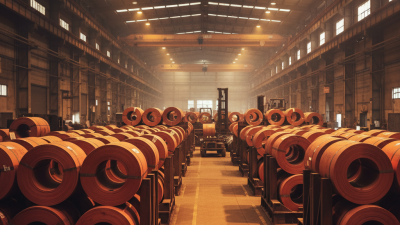
Hot rolled steel coils are essential in various industries, including construction and manufacturing. These coils are produced by rolling heated steel slabs or billets, resulting in a material with superior ductility and malleability. Global buyers should understand the properties and applications of hot rolled steel coils before making purchasing decisions. The thickness and width of these coils can vary, influencing their usability for specific projects.
Quality is crucial when selecting suppliers for hot rolled steel coils. Buyers need to assess the supplier's certifications and production methods. This evaluation can help ensure the coils meet industry standards, ensuring reliability in use. Additionally, consider the steel’s chemical composition, as it can impact performance. Some suppliers may offer customizations based on specific requirements, which could provide added benefits.
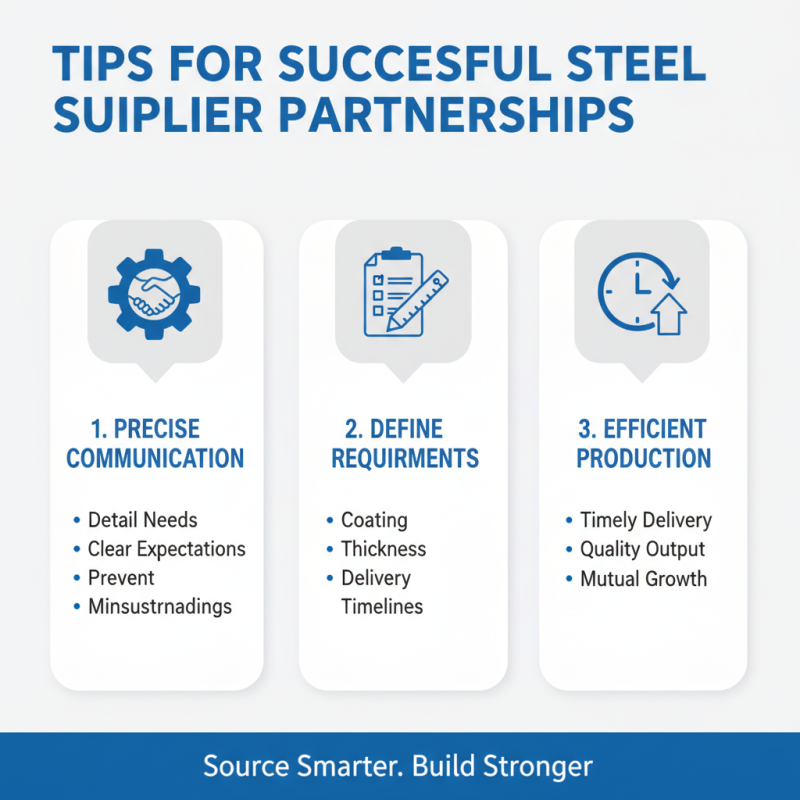
Challenges do exist in this market. Not all suppliers maintain consistent quality control. Prices can fluctuate based on global demand, impacting affordability. Buyers should remain cautious and conduct thorough research. Engaging with suppliers and understanding their production processes is equally vital. Ongoing communication helps foster trustworthy relationships and keeps buyers informed of industry trends.
Key Characteristics of Carbon Steel and Its Applications in Industries
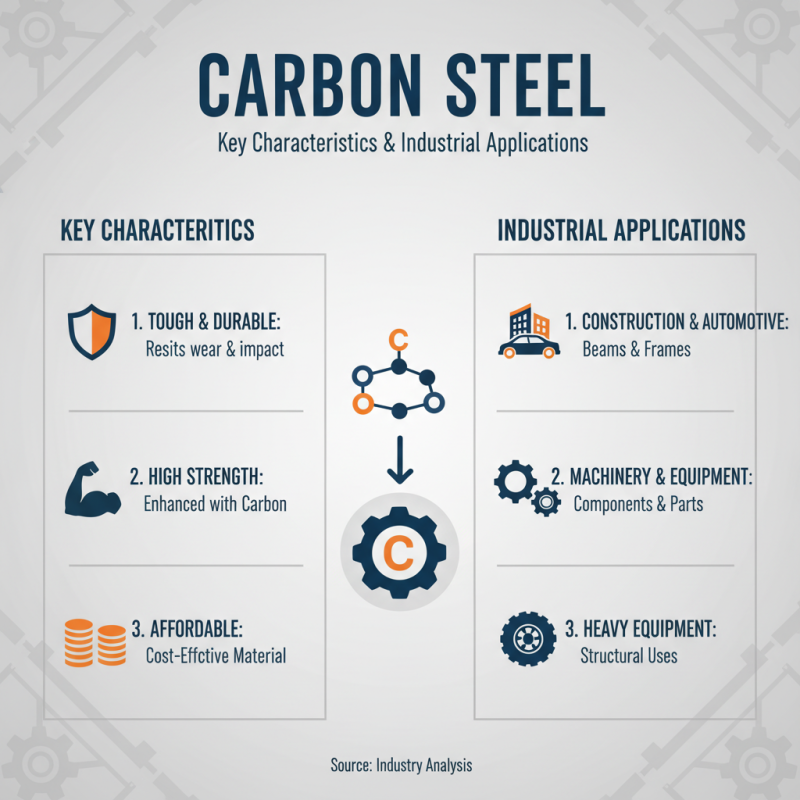
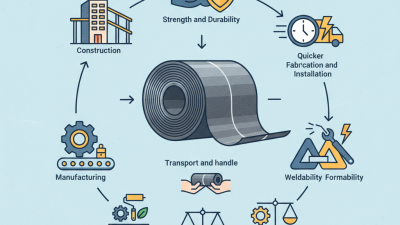
Carbon steel is a critical material in various industries due to its unique properties. It is tough and durable, making it suitable for construction and automotive applications. The high carbon content enhances strength significantly. This makes it ideal for structural components, machinery parts, and heavy equipment. Its affordability further increases its attractiveness to manufacturers.
In addition to strength, carbon steel is versatile. It can be easily shaped and welded. This is essential for producing complex structures. However, carbon steel is prone to corrosion if not properly treated. Protective coatings can mitigate this factor. Many industries report challenges with rust prevention, highlighting the importance of regular maintenance.
Applications of carbon steel are wide-ranging. In construction, it is used for beams and reinforcement bars. In the automotive sector, it is essential for frames and body parts. Despite its benefits, proper handling and storage are crucial to maintain its quality. Industry professionals continue to seek improved methods for durability.
Top Factors to Consider When Selecting Hot Rolled Steel Suppliers
When selecting hot rolled steel suppliers, a few key factors should guide your decision. The quality of the steel is paramount. Assessing the mechanical properties, such as yield strength and ductility, reveals much about the material's reliability. Ensure the supplier conducts regular quality tests. Look for certifications that confirm adherence to industry standards.
Another critical consideration is the supplier's reputation. Industry experience often correlates with reliability. Seek testimonials or case studies that highlight the supplier’s performance. A supplier's ability to meet delivery deadlines is also essential. Delays can disrupt your production schedules.
Finally, consider their customer service. Effective communication can make a significant difference in resolving issues. Poor communication can lead to misunderstandings and setbacks. A responsive supplier will be available to provide support when needed. Reflect on these factors to find a supplier that aligns with your business needs.
Hot Rolled Steel Coil Carbon Suppliers: Key Factors Comparison
Leading Suppliers of Hot Rolled Steel Coils Worldwide: A Comparative Analysis
Hot rolled steel coils are essential in various industries. Buyers need to know reliable suppliers. Understanding the differences among top suppliers can help in making informed decisions. Some suppliers focus on production efficiency, while others emphasize quality control. Evaluating these factors is crucial.
Analyzing various providers requires attention to detail. Geographic location plays a significant role in logistics. Shipping times and costs vary greatly depending on the supplier's base. Additionally, some suppliers offer customizable options, which can be beneficial for specific projects. This flexibility is a significant advantage for buyers with unique needs.
Admittedly, some suppliers may not consistently meet quality standards. Buyers should be wary of price fluctuations. While lower prices are attractive, they might indicate compromised materials. It’s necessary to conduct thorough research before committing. Establishing robust communication with potential suppliers can clarify many uncertainties.
Best Hot Rolled Steel Coil Carbon Suppliers for Global Buyers
| Supplier Region |
Annual Production Capacity (Metric Tons) |
Export Markets |
Quality Certifications |
Lead Time (Days) |
| North America |
500,000 |
USA, Canada, Mexico |
ISO 9001, ASTM A1008 |
30 |
| Europe |
1,200,000 |
Germany, France, UK |
EN 10025, ISO 14001 |
25 |
| Asia |
2,000,000 |
China, Japan, India |
ISO 9001, JIS G3101 |
40 |
| South America |
300,000 |
Brazil, Argentina, Chile |
ISO 9001 |
35 |
| Africa |
150,000 |
South Africa, Nigeria |
ISO 9001, SANS |
50 |





 +86 18865111877