Best Hot Rolled Steel Plate Factory for Quality and Pricing?
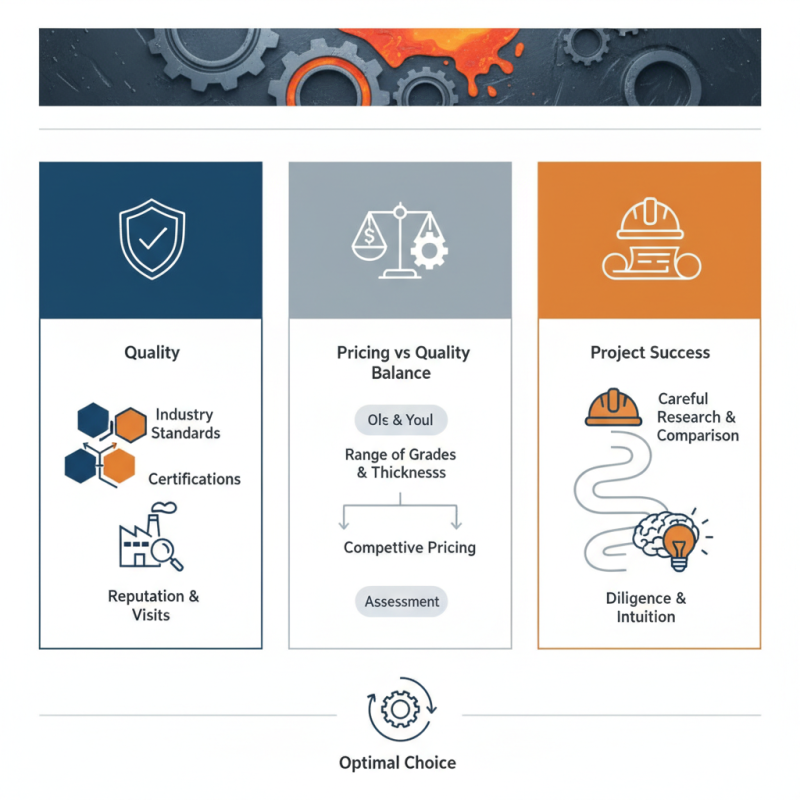
In the search for the best Hot Rolled Steel Plate Factory, quality and pricing stand out as key criteria. Choosing the right factory can significantly impact project success. An ideal factory should offer a range of grades and thicknesses. Yet, finding the perfect balance between price and quality often proves challenging.
Many factories boast of competitive pricing. However, it is vital to assess their quality standards. Are they certified? Do they adhere to industry specifications? A factory with a good reputation is worth considering. Visit production facilities if possible. Check their processes and equipment. This firsthand knowledge can build confidence in your choice.
Some might rush this decision. Cutting corners could lead to problems down the line. A cheaper plate might compromise structural integrity. Careful research and comparisons are essential. Ultimately, selecting the right Hot Rolled Steel Plate Factory requires a blend of diligence and intuition. Take your time to reflect on your choices.
Best Practices for Selecting a Hot Rolled Steel Plate Factory
Choosing the right hot rolled steel plate factory is crucial for quality and pricing. Start by assessing their production capabilities. Look at the machinery they use and the expertise of their staff. Not all factories have the same level of technology, which affects the final product. Some may claim high quality but fail to deliver.
Examine their material sourcing practices. A factory that prioritizes quality raw materials will likely produce better plates. Ask about their supply chain. Transparency is essential; ask for certifications that validate their materials. Visit the factory if possible. Observe the workflow and safety standards. This can provide insight into their operations.
Consider customer feedback as a valuable resource. Reviews can highlight strengths and weaknesses that may not be visible. Some factories may excel in production speed but lack consistency in quality. Reflect on your needs and budget. Cheap options might not always be the best. Strike a balance between cost and quality.
Key Quality Indicators for Hot Rolled Steel Plates in the Industry
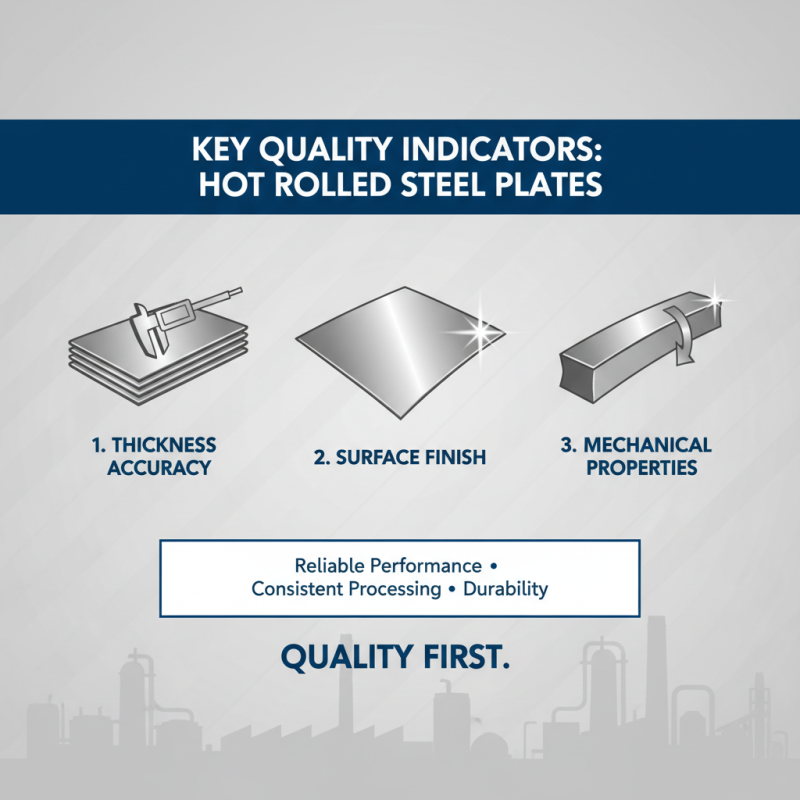
When selecting hot rolled steel plates, quality should always be a priority. Key quality indicators include thickness accuracy, surface finish, and mechanical properties. Consistency in thickness allows for reliable performance in various applications. A uniform surface finish affects welding and coating processes. Consider these aspects carefully.
Tips: Always check the specifications before purchasing. Verify the mill certificates. They provide essential data on steel quality.
Mechanical properties, such as yield strength and ductility, are critical. These properties determine how well the steel can withstand stress and deformation. Steel that lacks good ductility may crack under pressure. Reflect on the intended application to ensure proper selection.
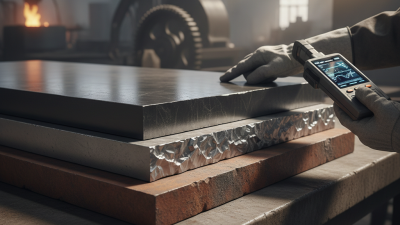
Tips: Ask for samples if possible. Testing samples can reveal discrepancies in quality. Don't overlook this step.
A trustworthy factory should be transparent about their quality control processes. They need to perform regular inspections and tests. If they hesitate, it may indicate underlying issues. Trust your instincts when evaluating suppliers.
Comparative Analysis of Pricing Strategies Among Leading Factories
When examining the pricing strategies of hot rolled steel plate manufacturers, data reveals significant variations. A recent industry report from Steel Market Intelligence indicated that prices can differ by as much as 20% between factories. This discrepancy often stems from production methods and raw material sourcing. Some factories prioritize cost-cutting at the expense of quality, while others invest in higher-grade materials.
Moreover, the demand for hot rolled steel plates has fluctuated. During 2022, demand surged by 15% in certain regions due to infrastructure projects. Factories responsive to this demand adjusted their pricing strategies, sometimes opting for premium pricing models. Yet, the risks are evident. Overpricing can lead to reduced market share in competitive sectors, where buyers are increasingly price-sensitive.
Additionally, logistical costs play a crucial role in pricing. Transport and supply chain disruptions can inflate factory costs significantly. Some factories have tried to stabilize prices but face challenges. A factory’s location greatly influences shipping expenses, impacting overall pricing strategy. Contemplating these factors, it's clear that manufacturers must constantly adapt to ensure competitiveness in a dynamic market.
Understanding Industry Standards and Certifications for Steel Plates
When selecting hot rolled steel plates, understanding industry standards is crucial. Certifications ensure that the steel meets specific requirements. For instance, various standards govern the thickness, quality, and tensile strength of the plates. These standards could vary by region, impacting pricing and quality.
Look for suppliers that have relevant certifications. ISO and ASTM are common, but not all factories receive them. A lack of proper certification may indicate lower quality control. It's essential to investigate a factory's history and reputation.
Quality should not always come at a high price. Some manufacturers offer competitive rates without compromising standards. However, it can be hard to discern the value without proper research. Reviews and customer feedback often highlight strengths and weaknesses in quality. Ultimately, making an informed choice can lead to better purchases and potentially avoid costly disappointments.
Market Trends and Demand Predictions for Hot Rolled Steel Products
The hot rolled steel market is evolving rapidly. Demand for hot rolled steel products has surged due to its versatility. Industries like construction, automotive, and manufacturing are key drivers. Prices fluctuate based on raw material costs and global supply conditions. Some factories struggle to maintain quality while keeping prices competitive. This creates challenges.
Trends show an increase in eco-friendly practices. Factories are facing pressure to reduce carbon footprints. Some are investing in better technologies to meet these demands. This shift may lead to higher quality products but at a potentially higher price.
Consumers are willing to pay for sustainability, but some manufacturers are not yet adapting.
The future of hot rolled steel is uncertain. Market predictions highlight the importance of flexibility. Companies that innovate may thrive. Others could fall behind if they fail to adapt. It’s crucial to balance quality and pricing. Only then can factories stay relevant in this dynamic market.



 +86 18865111877