2026 Best Steel Coil Hot Roll Options for Your Industrial Needs?
In the fast-evolving landscape of industrial materials, the significance of Steel Coil Hot Roll cannot be overstated. Experts emphasize its critical role in production processes. James Miller, a renowned steel industry analyst, noted, "Choosing the right hot roll option can significantly impact your project's efficiency." This statement reflects the importance of informed choices in selecting steel products.
Steel Coil Hot Roll is essential for various applications, including construction and manufacturing. The right type not only affects structural integrity but also influences costs and timelines. Industry growth often hinges on innovations in material usage. However, many businesses still struggle to find reliable sources and options that meet their unique needs.
As you explore the best Steel Coil Hot Roll options for 2026, consider both quality and reliability. Not all suppliers deliver the same standard. Reflecting on past selections can help guide future decisions. Balancing cost and performance remains a challenge in this competitive market. Your approach to Steel Coil Hot Roll choices will shape your operational success.
Benefits of Using Hot Rolled Steel Coils in Industry
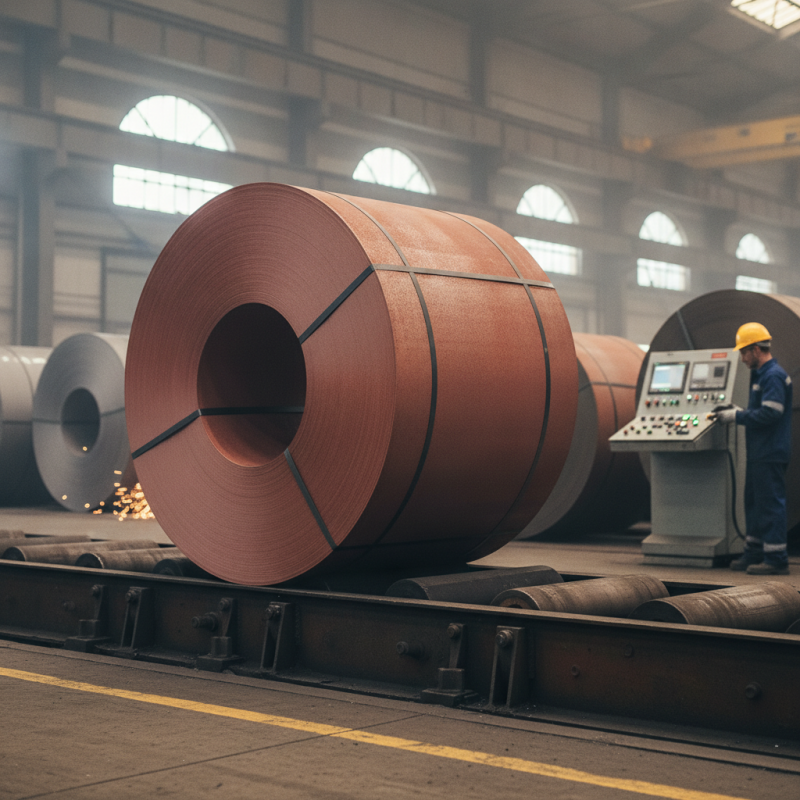
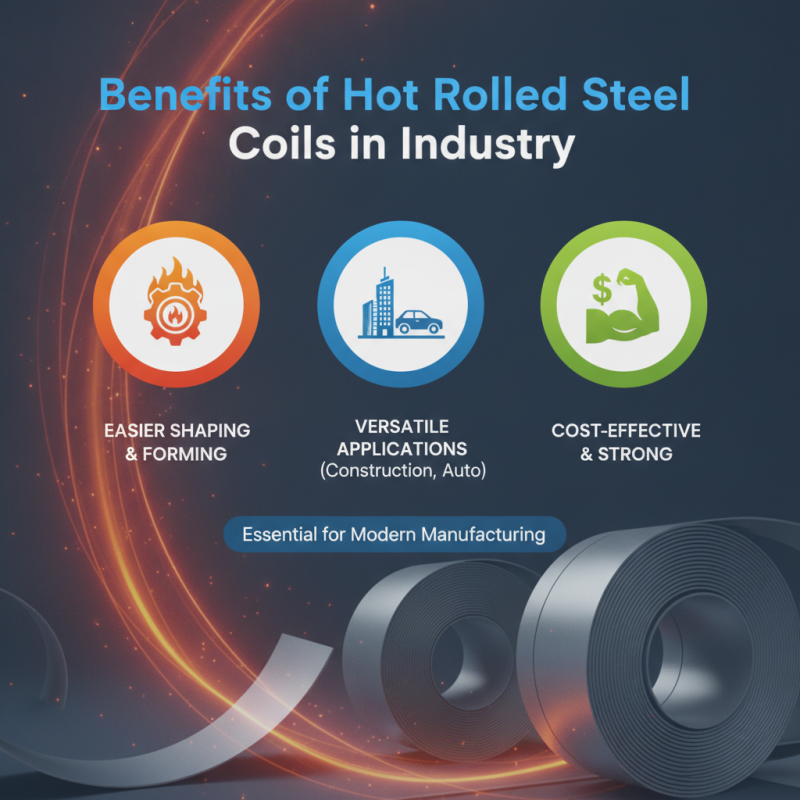
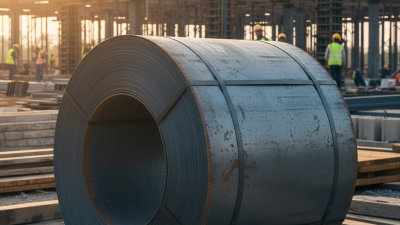
Hot rolled steel coils are essential in various industries. They are produced by heating steel above its recrystallization temperature. This process allows for easier shaping and forming. The flexibility in shaping makes hot rolled steel suitable for a range of applications, from construction to automotive manufacturing. It is widely appreciated for its cost-effectiveness and strength.
One significant benefit of hot rolled coils is their superior mechanical properties. They offer excellent ductility and toughness, which are crucial in demanding environments. The ability to withstand heavy loads ensures a desirable outcome for structural applications. However, quality can vary, and not all hot rolled steel may meet specific requirements. It is vital for buyers to understand their needs fully.
Additionally, hot rolled steel coils have a semi-rough finish. This characteristic can be beneficial for certain applications, reducing the need for extensive processing. However, this rough surface might not be ideal for aesthetic purposes. Industries should weigh these factors before making decisions.
Key Types of Hot Rolled Steel Coils for Industrial Applications
When selecting hot rolled steel coils for industrial applications, it’s crucial to understand the key types available. Hot rolled steel is known for its flexibility and strength. Common types include structural steel, which is often used in construction. Its durability makes it a reliable choice for framing and support structures.
Another notable option is low-carbon steel. It is easy to work with and is often used for deep drawing and forming. Its versatility allows it to be shaped into various components efficiently. Hot rolled tool steel is ideal for applications requiring high precision. This type is often used in the manufacturing of tools and dies.
Selecting the right type of hot rolled steel can be challenging. Many factors influence this choice, such as specific industrial needs and cost. Sometimes, companies may need to compromise on quality for lower prices. However, investing in reliable materials ensures long-term performance. Reflecting on individual requirements is vital for making informed decisions.
Factors to Consider When Choosing Hot Rolled Steel Coils
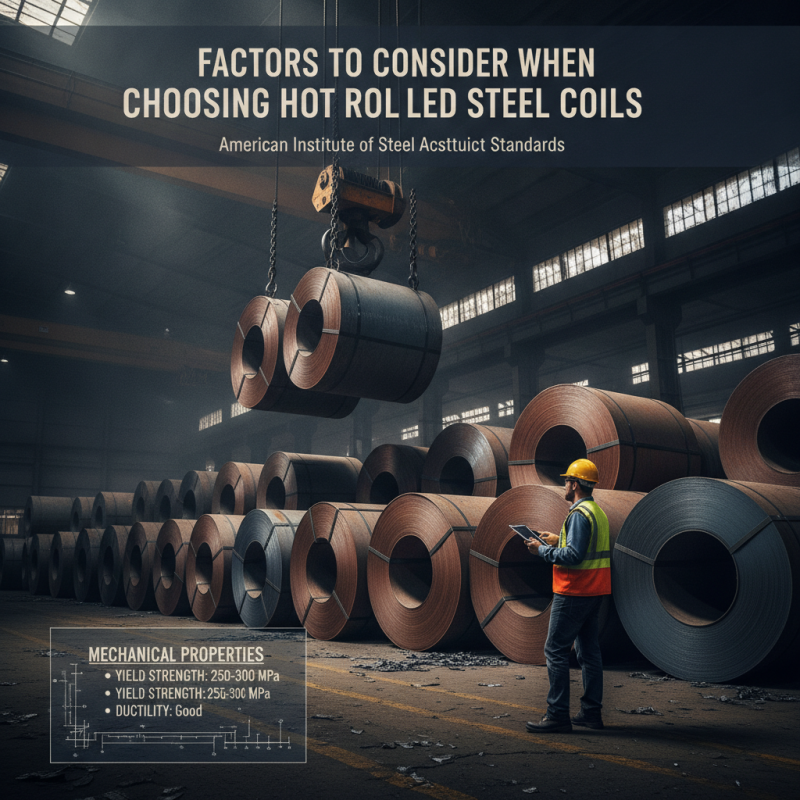
When selecting hot rolled steel coils, several factors are critical to ensure they meet industrial requirements. One of the primary considerations is the mechanical properties of the steel. Hot rolled steel generally exhibits good ductility and strength. According to the American Institute of Steel Construction, typical yield strength ranges from 250 MPa to over 300 MPa. Evaluating these properties can determine how well the steel will perform in specific applications.
Another important factor is the surface finish of the coils. While hot rolled steel typically has a rough texture, the degree of finish can affect subsequent processing. Industry data suggests that about 70% of manufacturers prefer a smoother finish for further machining. This preference indicates its influence on the cost and effort involved in later stages of production. Therefore, one must carefully consider your production needs and the potential for post-processing.
Thickness also plays a significant role in the application of hot rolled steel coils. Most industrial uses involve thicknesses between 1mm to 25mm. However, some applications may call for precision thickness within a tighter range. Balancing costs with required tolerances pressure tests the decision-making process and requires careful consideration. The evolving nature of manufacturing implies adapting to changing needs in steel specifications, which adds complexity to the selection.
Top Manufacturers and Brands of Hot Rolled Steel Coils in 2026
When considering hot rolled steel coils in 2026, it's crucial to focus on reliable manufacturers. The industry is evolving, and choosing the right supplier can impact production quality. Expert insights suggest looking for companies that prioritize innovative practices. Their commitment to sustainability can be a good indicator of reliability.
Market leaders are known for their consistent quality. However, smaller brands may offer unique advantages. They often provide personalized service and flexible options. This can be beneficial for niche projects that require special specifications. Staying informed about emerging manufacturers can reveal potential opportunities.
While big names dominate, it's important to evaluate every option. Newer companies might have fresh approaches to production. Nonetheless, some may lack established track records. Conducting thorough research and reaching out for samples can help ensure the right choice. The hot rolled steel coil market will remain competitive, evolving with technological advancements and changing customer needs.
2026 Best Steel Coil Hot Roll Options for Your Industrial Needs
| Product Type |
Thickness (mm) |
Width (mm) |
Length (mm) |
Weight (kg) |
Application |
| Hot Rolled Steel Coil |
1.5 |
1250 |
6000 |
9000 |
Construction |
| Hot Rolled Steel Coil |
2.0 |
1500 |
8000 |
12000 |
Automotive |
| Hot Rolled Steel Coil |
3.0 |
2000 |
10000 |
18000 |
Heavy Machinery |
| Hot Rolled Steel Coil |
4.0 |
2500 |
12000 |
22000 |
Shipbuilding |
| Hot Rolled Steel Coil |
6.0 |
3000 |
15000 |
30000 |
Structural Steel |
Future Trends in Hot Rolled Steel Coil Production and Usage
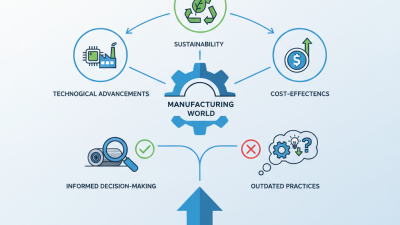
As the demand for hot rolled steel coil continues to rise, future trends indicate significant changes in production methods and usage patterns. The industry is shifting towards sustainable practices. Companies are exploring ways to reduce their carbon footprint. This includes adopting green technologies. Energy-efficient equipment is becoming more common in steel production plants.
Material innovation plays a key role in this evolution. Advanced alloys are being developed to enhance strength and durability. This can lead to better performance in various applications. Meanwhile, automation and digitalization are streamlining production lines. Smart factories are on the horizon, utilizing AI to improve efficiency.
However, challenges remain. The transition to sustainable methods requires investment and time. Not all producers are equipped to adapt quickly. Supply chain issues still pose risks, affecting steel availability. Balancing cost with environmentally friendly practices is a complex task. Stakeholders must collaborate to navigate these changes effectively.
2026 Best Steel Coil Hot Roll Options for Your Industrial Needs



 +86 18865111877