2026 Best Wear-Resistant Steel Plate Choices for Durability and Performance?
In the demanding world of industrial applications, the choice of materials is crucial. Wear-resistant steel plates stand out for their exceptional durability and performance. These plates endure harsh conditions, providing a reliable solution for heavy machinery and structural components. The right wear-resistant steel plate can significantly reduce maintenance costs over time.
Choosing the best options can be overwhelming. Factors like composition, thickness, and production processes play a significant role in overall effectiveness. Some products excel in specific applications, while others may underperform or have hidden drawbacks. For instance, while high-hardness plates offer strength, they may be more prone to cracking.
Evaluating the best wear-resistant steel plates also requires understanding real-world conditions. Not all environments are the same. Users must consider factors like impact resistance, temperature variations, and abrasive materials. Many companies overlook these factors, leading to choices that do not meet their needs. Exploring the nuances of wear-resistant steel plates ensures optimized selection tailored to your operational demands.
Top Characteristics of Wear-Resistant Steel Plates for 2026
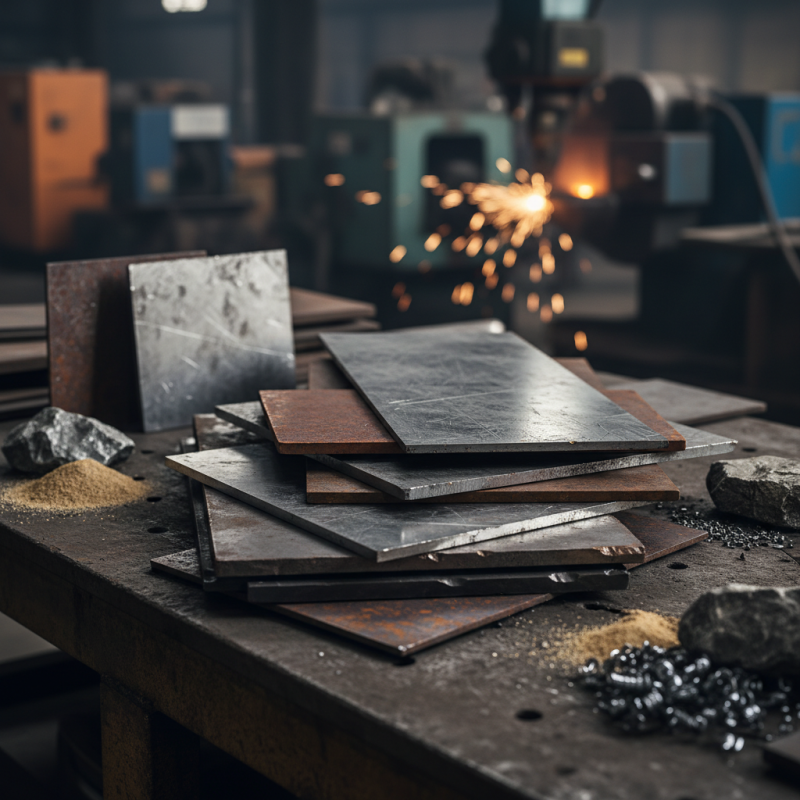
Wear-resistant steel plates are essential in industries facing high abrasion. These plates must exhibit specific characteristics to perform effectively. High hardness is a crucial trait. Plates with high hardness resist impacts and wear. This property prolongs their lifespan, ultimately saving costs.
Toughness is another essential characteristic. A tough steel plate can absorb energy without breaking. This is vital in environments where sudden impacts occur. Additionally, weldability allows for easy fabrication and structural integration. However, ensuring good weldability while maintaining wear resistance can be a challenge.
Finding the right balance between hardness and toughness is crucial. Some plates might be too hard and brittle. Others may not withstand abrasion effectively. Testing different options can lead to better outcomes. Therefore, evaluating the specific needs of each application is significant. Understanding these characteristics helps in choosing the best wear-resistant steel plates for 2026.
Key Applications of Wear-Resistant Steel Plates in Various Industries
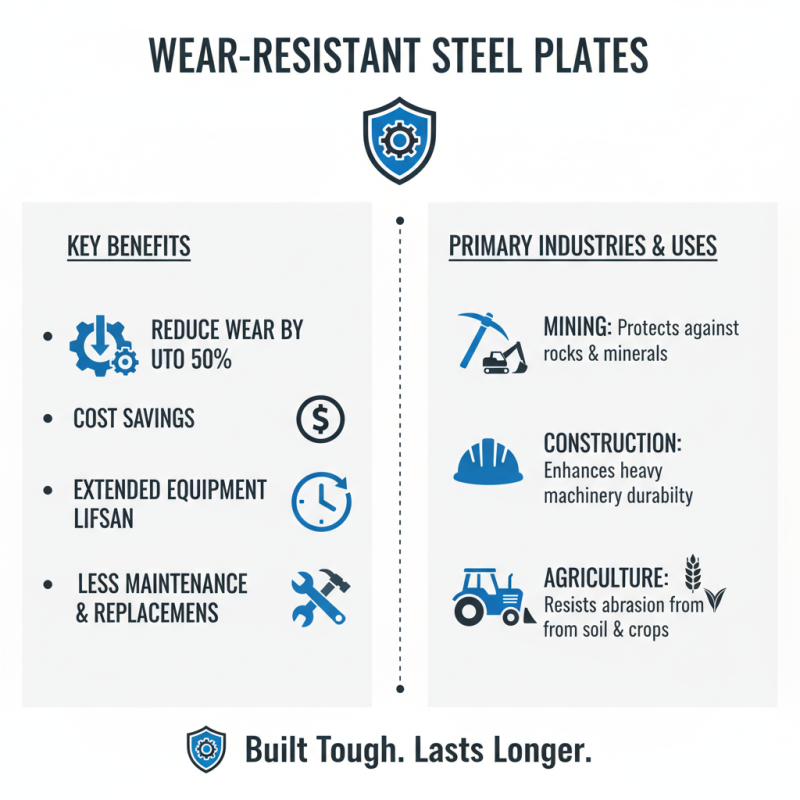
Wear-resistant steel plates are crucial in various industries, including mining, construction, and agriculture. According to recent industry reports, these plates can reduce wear by up to 50%, leading to significant cost savings on maintenance and replacements. In mining, they protect equipment from severe abrasion caused by rocks and minerals. Similarly, in construction, they enhance the durability of heavy machinery, which often faces harsh conditions.
Agricultural equipment also benefits greatly from wear-resistant steel plates. These plates withstand the rigors of soil and crop processing. It's estimated that using such plates can increase the life span of these machines by an average of three years. However, their initial investment might pose a challenge for some businesses. It's vital to analyze the long-term benefits against upfront costs.
Moreover, wear-resistant plates can be customized to meet specific needs. Various thicknesses and hardness levels allow for tailored solutions. However, not all companies may consider their unique operational demands before choosing a solution. This oversight can lead to inefficiencies. Balancing performance and cost remains a critical aspect to consider in the decision-making process.
Comparative Analysis of Leading Brands in Wear-Resistant Steel Plates
Wear-resistant steel plates are vital in industries requiring high durability and performance. A recent industry report shows that the global market for wear-resistant steel plates is projected to reach $15 billion by 2025. This growth reflects the increasing demand across sectors like mining, construction, and manufacturing. Companies seek materials that can withstand abrasion and impact without significant wear over time.
The comparative analysis of leading brands reveals notable differences in performance metrics. Some plates exhibit a hardness level averaging 500 HB (BHN), while others go as high as 600 HB. However, the correlation between hardness and toughness raises questions. Higher hardness can mean lower toughness, which may lead to cracks under high stress. This trade-off can be concerning when selecting materials for critical applications, where failure is not an option.
Data from various studies indicate that factors like alloy composition and processing methods greatly influence the performance of wear-resistant plates. For instance, plates with a higher chromium content generally show better corrosion resistance. Yet, they might sacrifice weldability. Understanding these nuances helps industries make informed decisions. Balancing hardness, toughness, and corrosion resistance is crucial for optimal performance in demanding environments.
Factors Influencing the Performance of Wear-Resistant Steel Plates
Wear-resistant steel plates are essential in industries such as mining, construction, and manufacturing. Their performance can be influenced by various factors. Hardness is a crucial parameter. Steel plates with a hardness of 500 Brinell or more typically offer better wear resistance. In a study by the American Welding Society, it was noted that increased hardness correlates with reduced wear rates.
Another key factor is the steel's toughness. Plates that are tough can absorb impacts without cracking. This characteristic is vital in high-stress environments. A report from the International Journal of Materials Sciences highlighted that toughness is often compromised in extremely hard steel. This presents a challenge for manufacturers. They must balance hardness and toughness to optimize performance.
The quality of the manufacturing process also plays a significant role. Variability in heat treatment can lead to inconsistent properties across a batch. Inconsistent quality can undermine durability. Additionally, factors like alloy composition can affect wear rates. Stainless steel, for instance, may show different wear patterns compared to carbon steel. These factors require careful consideration. Adjusting them can lead to improvements in overall performance, but the solution is not always straightforward.
2026 Best Wear-Resistant Steel Plate Choices for Durability and Performance
| Material Type |
Hardness (HRC) |
Tensile Strength (MPa) |
Abrasion Resistance (mm) |
Typical Applications |
| High Carbon Steel |
58-62 |
1200 |
2.0 |
Mining Equipment |
| Chromium Alloy Steel |
55-60 |
1100 |
3.5 |
Construction |
| Quenched and Tempered Steel |
52-56 |
1000 |
4.0 |
Agricultural Equipment |
| Martensitic Steel |
58-64 |
1300 |
1.5 |
Railway |
| Wear-resistant Composite |
60-65 |
1400 |
2.5 |
Heavy Machinery |
Maintenance Tips for Longevity of Wear-Resistant Steel Plates
Wear-resistant steel plates are essential in industries. However, their longevity depends on proper maintenance. Regular inspections can identify early signs of wear. Look for scratches, dents, and discoloration. Even small issues matter. They can escalate into bigger problems.
Cleaning is crucial. Dust and debris can accumulate, leading to corrosion. Use mild detergents for surface cleaning. Avoid harsh chemicals. Ensure proper drying afterward. Lubrication helps reduce friction. It’s important, but don’t overdo it. Excess can attract dirt.
Storing steel plates properly matters as well. Keep them in dry areas to prevent moisture damage. Avoid direct sunlight exposure. Temperature fluctuations can impact durability. Training staff on these care practices can enhance performance. Mistakes happen, but learning from them fosters improvement. Focus on consistent upkeep for the best results.



 +86 18865111877