Best Carbon Steel Coil Hot Rolled Options for Your Projects
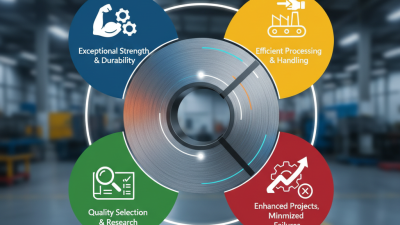
In the construction and manufacturing industries, Carbon Steel Coil Hot Rolled products are essential. These materials combine strength and versatility, making them a go-to choice. According to a report by the Steel Institute, carbon steel accounts for over 50% of all steel production worldwide. This statistic highlights its significance in various applications.
Renowned expert Dr. Emily Tran, a leading researcher in metallurgical engineering, emphasizes, "The choice of Carbon Steel Coil Hot Rolled can make a crucial difference in project durability." Her insights underscore the material's importance. Despite its advantages, challenges remain. The consistent quality of hot-rolled coils can vary greatly.
Additionally, varying dimensions can complicate project specifications. It’s vital to source from reputable suppliers to minimize risks. With the right knowledge, engineers and architects can ensure optimal selection for their projects. The journey to finding the best option requires careful consideration of these factors. Balancing cost and quality will lead to successful outcomes.
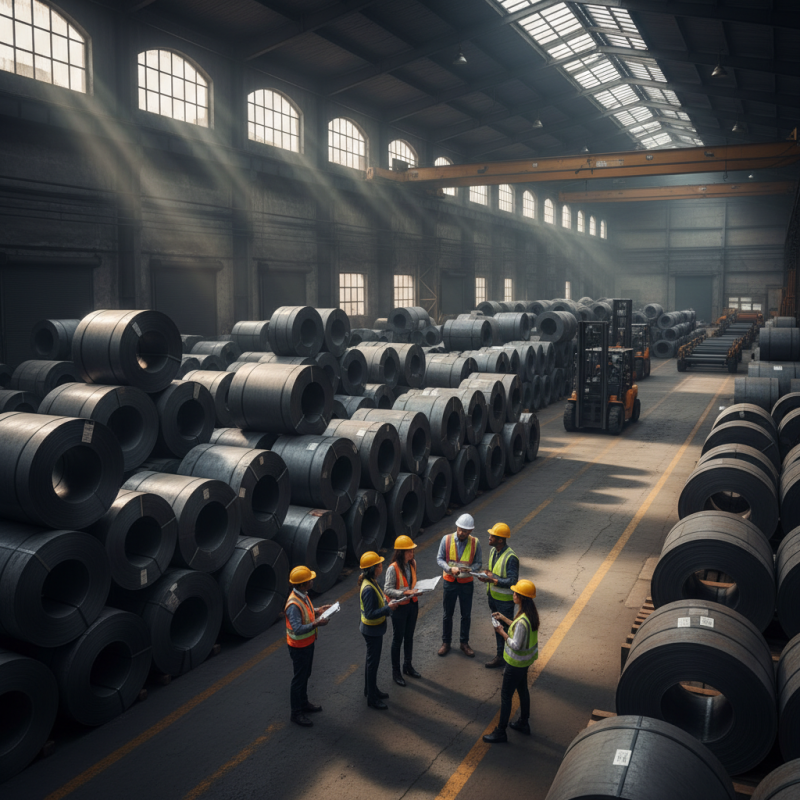
Understanding Carbon Steel Coils and Their Applications
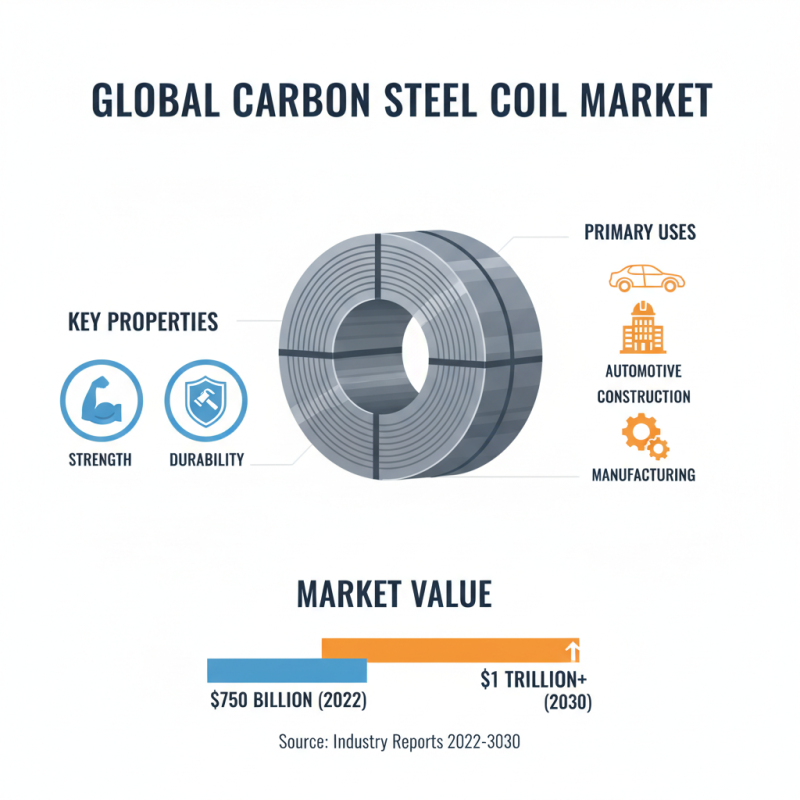
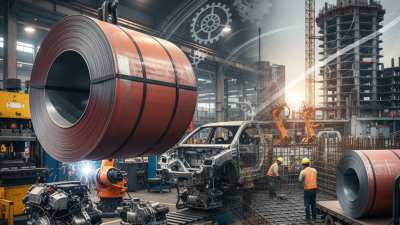
Carbon steel coils are widely used in various industries due to their unique properties. These coils are known for their strength and durability. They are often utilized in automotive, construction, and manufacturing applications. The global carbon steel market was valued at approximately $750 billion in 2022. This figure is projected to reach over $1 trillion by 2030, indicating a significant demand.
Understanding the applications of carbon steel coils is crucial. They can be easily shaped and welded, making them ideal for fabrication. For instance, the automotive industry relies on these coils for structural components. A report from the World Steel Association states that automotive manufacturing uses nearly 20% of all steel produced. This highlights the importance of carbon steel in creating safer and more efficient vehicles.
However, there are some challenges. Not all carbon steel coils have the same quality. Variations in processing can lead to inconsistencies. Furthermore, the environmental impact of steel production raises concerns. The industry must find sustainable practices to reduce carbon footprints. Better recycling methods could help in this regard, but progress is uneven. As projects evolve, understanding these factors becomes essential.
Hot Rolling Process: What You Need to Know
The hot rolling process is fundamental in the production of carbon steel coils. It involves heating steel above its recrystallization temperature. This makes the material easier to shape and form. As the steel passes through the rollers, it undergoes various changes. The final product has a refined structure and improved mechanical properties.
However, it’s crucial to be aware of potential issues during this process. Temperature control is vital; too high a temperature can weaken the steel. Additionally, the thickness can vary and might need adjustment. Uneven rolling can lead to defects, which may compromise the final product's integrity.
Understanding the specifics of hot rolling can lead to better project outcomes. Being mindful of these details can also help prevent costly mistakes. The benefits are clear, but the challenges require careful attention. Balancing these factors is key to achieving the best results in your projects.
Criteria for Selecting the Best Carbon Steel Coil
When selecting the best carbon steel coil, several criteria come into play. First, consider the thickness.
Thicker coils provide durability, while thinner options offer flexibility.
It's essential to choose a size that fits your project needs. Additionally, the coil's width should match the application requirements. Often, width impacts how easily the material can be processed.
Next, the mechanical properties matter. Look for coils that provide excellent tensile strength and ductility.
A balance between these properties ensures that the steel will perform well under stress. Surface finish is another detail to note.
A smoother finish may require less processing time, while a rougher surface can offer better adhesion for coatings.
Pricing is crucial but can be tricky. You might find cheaper options that compromise on quality.
Evaluate costs carefully and weigh them against the required performance. Sometimes a higher upfront cost leads to long-term savings in durability and maintenance.
Making informed choices often involves reflecting on past experiences. Each project can teach valuable lessons about what works best.
Top Manufacturers of Hot Rolled Carbon Steel Coils
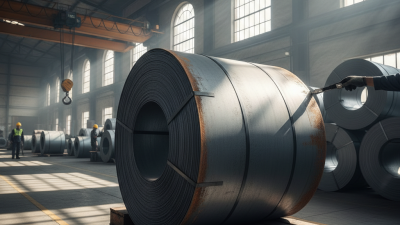
When considering hot rolled carbon steel coils, it's essential to understand the role of top manufacturers. These companies often set the standard for quality and reliability. Many producers focus on the manufacturing process, ensuring each coil meets strict specifications.
Quality can vary significantly. Some manufacturers prioritize efficiency over precision. This choice can lead to variations in thickness and surface texture. Such inconsistencies can affect project outcomes. Therefore, careful selection is vital. Look for firms that are committed to continuous improvement. Their investment in technology often reflects in their products.
Manufacturers also vary in customer service. Some provide extensive support, while others may leave clients in the dark. Clear communication is key to any successful project. Be prepared to engage with potential suppliers to gauge their responsiveness. In the end, choosing the right partner impacts the success of your projects. Keep these factors in mind as you explore options.
Best Carbon Steel Coil Hot Rolled Options for Your Projects
Cost Considerations and Budgeting for Your Projects
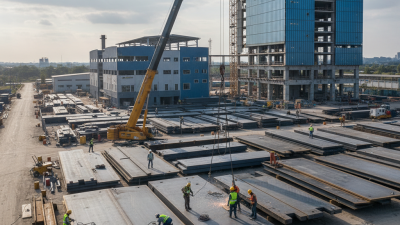
When considering carbon steel coil options, budgeting is crucial. The initial cost of steel can be misleading. You might save upfront but encounter hidden expenses later. These could include transportation fees and processing charges. It’s vital to plan for these costs early in the project.
A detailed budget helps track every expense. Consider fluctuations in steel prices. They can impact your overall budget significantly. If your project timeline is extensive, prices might rise unexpectedly. This scenario requires flexibility in financial planning. Be prepared to adjust your budget accordingly.
Identify areas to reduce costs without sacrificing quality. Recycling materials can lead to savings. Look into local suppliers to cut shipping costs. Think about your project’s scope. A well-defined plan will help avoid unnecessary spending. Reflect on the needs versus the wants. Sometimes, less is more in achieving project goals.



 +86 18865111877