2026 How to Choose the Right Hot Rolled Steel Coil Sheet for Your Project?
Choosing the right Hot Rolled Steel Coil Sheet for your project is a crucial decision. Industry experts emphasize that proper selection can significantly impact the product's performance and longevity. Alex Turner, a leading authority in steel manufacturing, claims, "The right choice of material can either make or break your project's success."
In 2023, the global demand for hot rolled steel products increased by 15%. This rising trend highlights the necessity for informed decisions. The market is flooded with options, yet not all products meet the required standards. Studies show that over 30% of projects faced issues due to improper material selection. It raises questions about quality and supplier reliability.
It’s essential to consider factors like thickness, width, and surface finish. Misjudging these aspects can lead to increased costs and project delays. With many options available, it’s vital to seek expert advice. Not every supplier guarantees the same quality. Your oversight could lead to regrettable outcomes. Being diligent now avoids complications later. Making an informed choice about Hot Rolled Steel Coil Sheet designates success in your venture.

Understanding Hot Rolled Steel Coil Sheets: An Overview
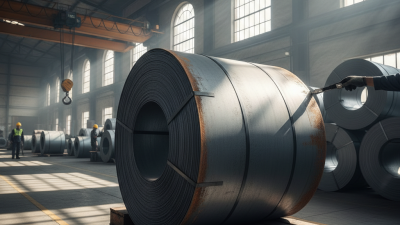
Understanding hot rolled steel coil sheets is crucial for many construction and manufacturing projects. These sheets are created by rolling steel at high temperatures, which makes them malleable. This process results in excellent ductility but can lead to inconsistencies in thickness and surface quality. Users must familiarize themselves with these characteristics to ensure proper usage.
Quality matters when selecting hot rolled steel coil sheets. Factors such as yield strength, tensile strength, and surface finish should be considered carefully. Different projects may require specific attributes. For example, a project needing a smooth surface might not be suitable for sheets with prominent scale. The selection process should involve close inspection and testing to avoid costly errors down the line.
Working with hot rolled steel also requires understanding its limitations. While these sheets are generally strong, they can have defects. Some common issues include warping and uneven edges. Testing samples before full-scale use can help identify these problems early. This reflection on quality will ultimately improve project outcomes and ensure safety.
Comparison of Hot Rolled Steel Coil Thickness
Key Factors to Consider When Choosing Hot Rolled Steel
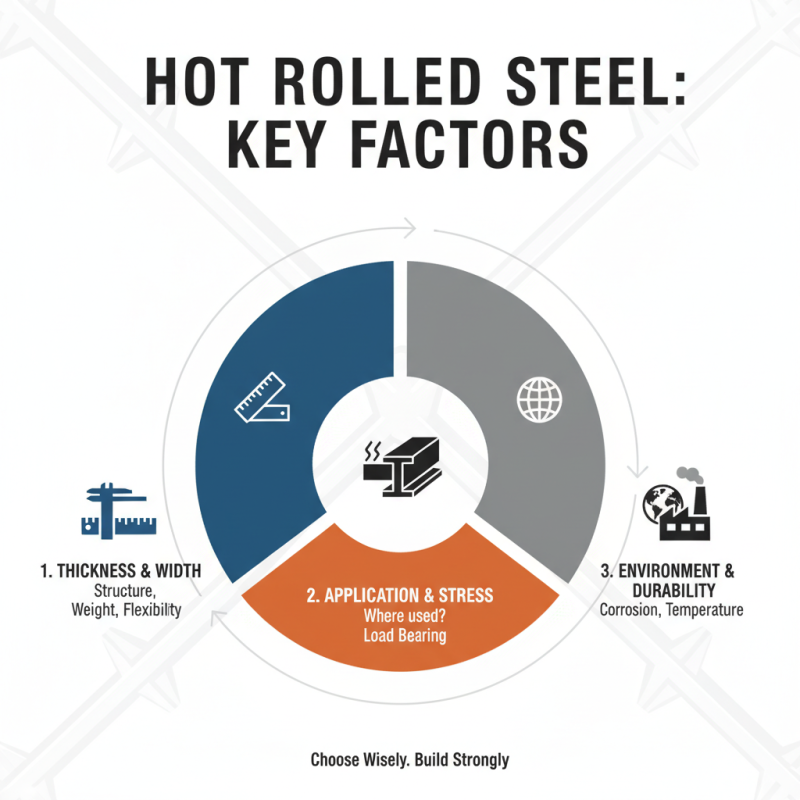
Choosing the right hot rolled steel coil sheet involves several critical factors. First, consider the thickness and width of the sheet. These specifications directly impact the structural integrity of your project. For instance, a thicker sheet can bear more weight but may limit flexibility. Think about where the steel will be used. Some applications require sheets that can endure more stress than others.
The grade of the steel is also significant. Different grades have distinct properties regarding strength and ductility. This choice can be complex, as some projects may benefit from a more malleable material. Each project is unique, and a one-size-fits-all approach doesn’t always work. Avoid making hasty decisions, as overlooking these details can lead to structural issues later.
Finally, the surface finish matters. It affects not only aesthetics but also corrosion resistance. A rougher finish may be suitable for certain functions but could lead to increased wear over time. Therefore, evaluate the end use of the steel to make informed decisions. It's essential to balance your needs with the characteristics of the materials available.
Comparing Grades and Specifications of Hot Rolled Steel
When selecting hot rolled steel coil sheets, understanding grades and specifications is crucial. Various standards govern these materials, influencing their strength, ductility, and usability. Common grades include A36, S235, and S355, each with distinct properties. For instance, A36 is known for its good weldability and machinability, suitable for structural applications.
Consider the American Society for Testing and Materials (ASTM) specifications. According to ASTM A1011, hot rolled steel must meet specific mechanical properties. Yield strength typically ranges from 36,000 to 50,000 psi. This variability can affect structural integrity, especially in high-stress applications.
However, navigating these specifications can be complex. Some projects may benefit from lower-grade materials for cost efficiency, but the trade-off might be durability. Reports suggest that about 30% of steel failures occur due to grade mismatches. Careful evaluation of project requirements and material specifications avoids such pitfalls. Those exploring options should assess both immediate and long-term performance needs.
Applications of Hot Rolled Steel Coil Sheets in Various Industries
Hot rolled steel coil sheets play a significant role across various industries. In construction, they serve as essential structural materials. Builders appreciate their strength and adaptability. They are often used in beams, columns, and wall panels. The ability to mold them into different shapes enhances their functionality. Additionally, hot rolled sheets can withstand harsh environments, making them a preferred choice.
In the automotive sector, hot rolled steel is critical for manufacturing vehicle parts. From chassis to frames, these sheets provide durability and reliability. Their lightweight nature reduces overall vehicle weight, improving fuel efficiency. Some manufacturers face challenges in achieving precise specifications. The variability in thickness or flatness may require further processing. However, addressing these imperfections often leads to innovative solutions.
Manufacturers in the appliance industry also utilize hot rolled steel. It is common in fabricating appliances and equipment. Their resistance to wear and tear makes them ideal for everyday use. Yet, the limitations in surface finish can be a concern. Customers may seek a more appealing appearance. Balancing aesthetics with functionality often requires careful consideration. Overall, hot rolled steel coil sheets are versatile, but understanding their applications is crucial for optimal use.
Tips for Sourcing Quality Hot Rolled Steel Coil Sheets for Projects
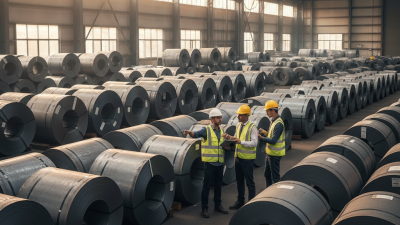
Sourcing quality hot rolled steel coil sheets can be challenging. Start by identifying the specific needs of your project. Consider factors like thickness, width, and finish. A well-defined criterion will streamline your sourcing process.
Look for suppliers with a proven track record. Check reviews and ask for references. Reliable suppliers often have certifications that demonstrate their adherence to quality standards. A supplier’s experience can significantly influence your project's success.
Pay attention to the material properties essential for your application. Each project may require a different grade of steel. Don't overlook the impact of environmental factors. Rust resistance may be crucial for outdoor applications. Assessing these details will help in making an informed decision. If a supplier cannot provide detailed specifications, think twice. Your project's integrity depends on the quality of the materials used.




 +86 18865111877