2026 How to Choose the Right Wear Resistant Steel Plate for Your Project?
Wear-resistant steel plates play a crucial role in various industries. They are essential for projects that require durability and resilience. According to a recent industry report, the global market for wear-resistant materials is projected to reach $45 billion by 2026. This growth is driven by the increasing demand in mining, construction, and manufacturing.
When selecting a wear-resistant steel plate, several factors must be considered. These include the material's hardness, toughness, and the specific application it will serve. Hardness is measured on the Brinell or Rockwell scale. However, a high hardness level alone does not guarantee performance; toughness is equally vital in many applications.
Improper selection can lead to failures. For instance, if the steel plate cannot withstand impact, the project may suffer. Specific application needs must guide the choice, ensuring longevity and cost-effectiveness. Understanding the unique properties of wear-resistant steel plates will enable better decisions for various projects. The right choice can significantly reduce wear and tear in the long run.
Understanding Wear Resistant Steel Plates: Definition and Types
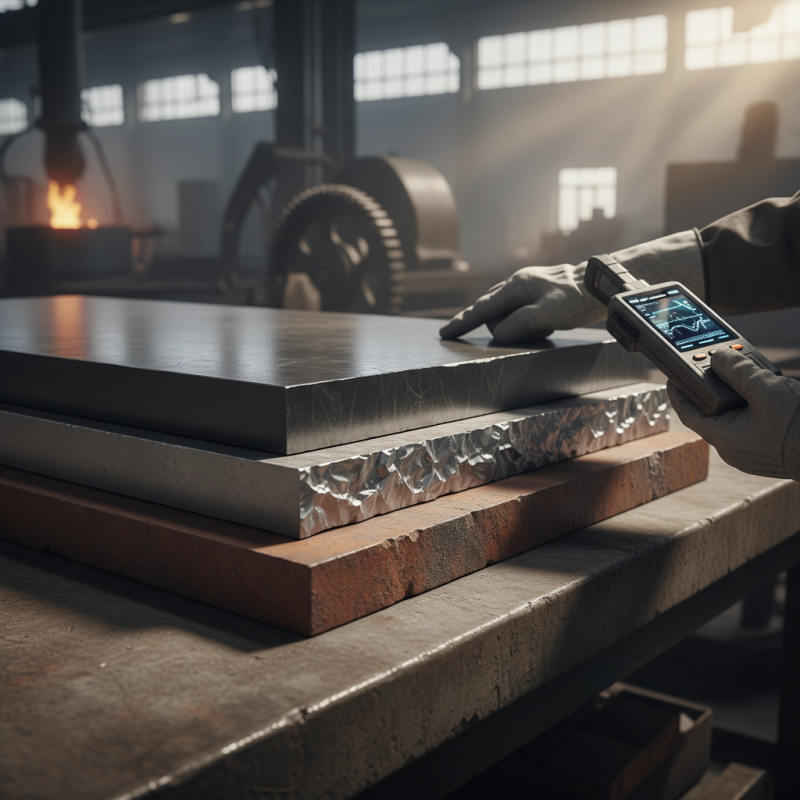
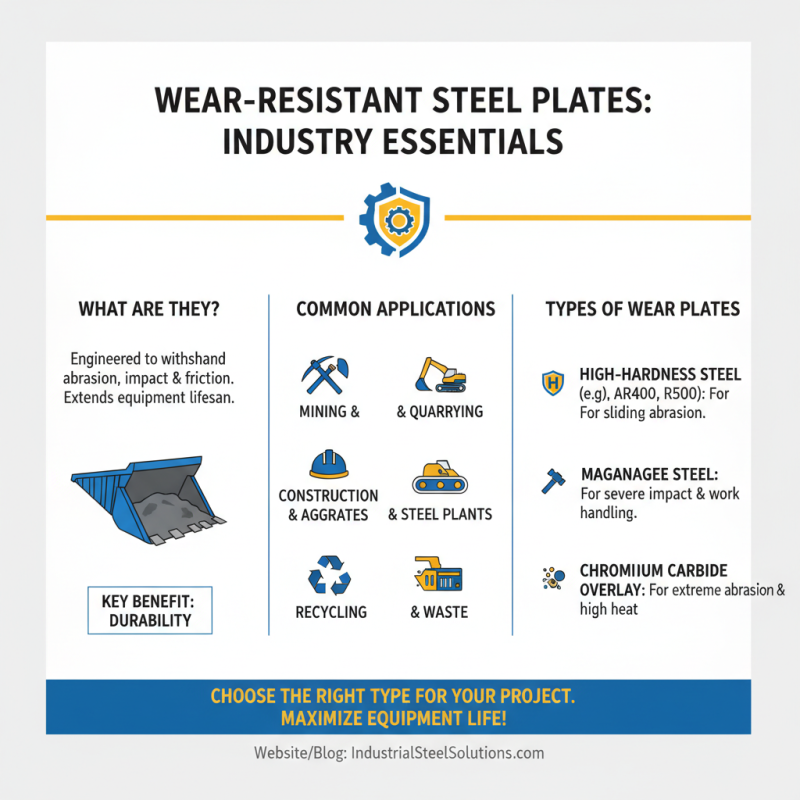
Wear resistant steel plates are essential in numerous industries, from mining to construction. They are engineered to withstand wear and tear, extending the lifespan of equipment. Understanding the different types of wear-resistant steel plates can help you choose the right one for your project.
There are several types of wear-resistant steels, including AR (Abrasion Resistant), Hardox, and Quard. According to a recent industry report, AR steel offers excellent surface hardness, making it suitable for high-impact applications. Hardox, known for its toughness, is ideal for structures that face intense stress. In contrast, Quard provides a balance between durability and ductility, allowing for easier fabrication while maintaining strength.
Tips: When selecting a wear-resistant steel plate, consider the specific application. Assess factors like impact, sliding abrasion, and environmental conditions. Ensure that you understand the mechanical properties of the material you choose. Note that not all applications require the highest grade of wear resistance. Sometimes, a standard plate may suffice, ensuring cost-effectiveness.
Still, you might find it challenging to select the perfect steel. Each project has unique demands. Don't overspend on materials you might not need. Always evaluate your project's requirements carefully. This reflection can lead to better decision-making.
Key Properties to Consider When Selecting Wear Resistant Steel Plates
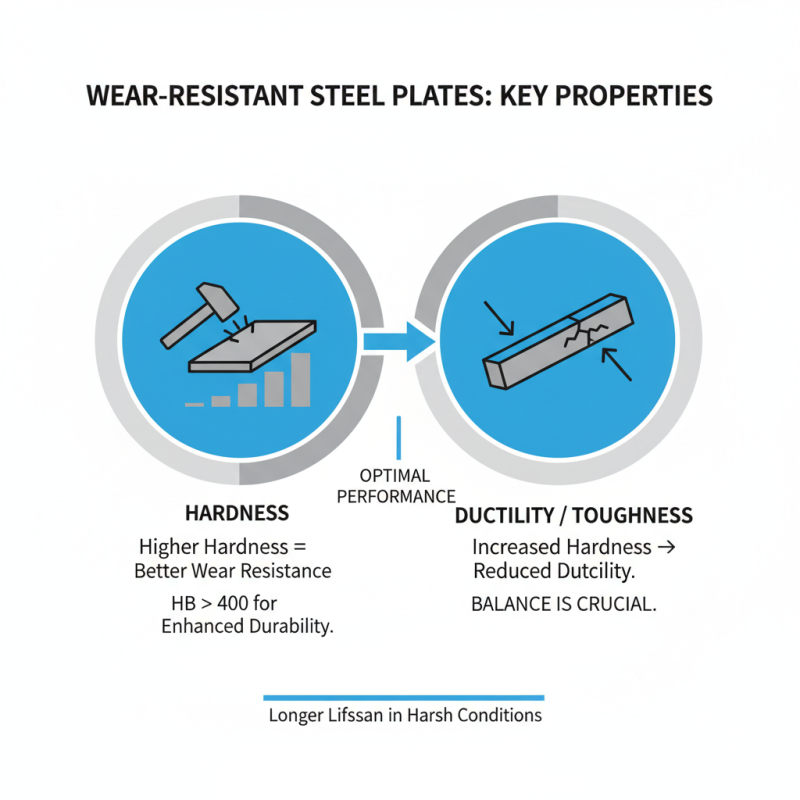
When selecting wear-resistant steel plates, certain key properties are vital to consider. Hardness is at the forefront. A higher hardness rating usually indicates better wear resistance. This property directly impacts longevity in harsh conditions. For example, plates with HB hardness ratings over 400 offer enhanced durability. However, hardness may lead to reduced ductility. Balancing these aspects is crucial.
Impact resistance is another significant factor. It measures how well the steel withstands sudden shocks. Certain projects require strong materials that endure heavy impacts. Regular testing can reveal how well a plate performs under pressure. Some plates may pass standard tests but fail in real-world applications. Users often overlook this aspect, leading to costly mistakes.
Thickness can’t be underestimated. Thicker plates often provide more durability. However, this doesn’t always translate to better performance. Sometimes, thinner plates are more suited for specific tasks. Evaluating the environment is essential. Will the plate face extreme temperatures? Understanding these variables is necessary for successful selection. Reflecting on these elements can greatly enhance project outcomes.
Evaluating Your Project Requirements for Wear Resistant Steel Plates
Choosing the right wear resistant steel plate can be complex. Project requirements play a crucial role in the selection process. Consider the specific environment where the steel will be used. Will it face high impacts, heavy abrasion, or extreme temperatures? These factors affect durability.
Evaluate the thickness and weight of the plates needed. Thinner plates may reduce weight but may not withstand heavy wear. Conversely, heavier plates offer more durability but can be costly. Assess your budget limits here. Do you prioritize quality over cost? There’s a trade-off to consider.
Also, think about installation conditions. Will the plates be welded, bolted, or sealed? Each method requires different plate properties. Work closely with engineers or fabricators to identify potential pitfalls. You may need to reassess your choices based on feedback. Mistakes here could lead to increased costs and project delays.
2026 How to Choose the Right Wear Resistant Steel Plate for Your Project? - Evaluating Your Project Requirements for Wear Resistant Steel Plates
| Project Requirement |
Material Type |
Thickness (mm) |
Hardness (Brinell) |
Typical Applications |
| High abrasion resistance |
AR450 |
10 |
450 |
Mining, Quarrying |
| Impact resistance |
AR500 |
12 |
500 |
Construction, Heavy Equipment |
| Corrosion resistance |
Wear Plate |
8 |
350 |
Agricultural Machinery |
| All-purpose wear resistance |
NM450 |
6 |
450 |
Bulk Material Handling |
| Extreme abrasion |
Hardox 600 |
20 |
600 |
Heavy Mining |
Comparative Analysis of Popular Wear Resistant Steel Grades
When selecting a wear-resistant steel plate, understanding the available grades is crucial. There are several popular options, each with unique properties. For instance,
AR400, known for its high hardness, works well in low-impact environments. This can be beneficial in applications like chutes and hoppers. However, it may not perform as well in high-impact situations.
Another option is
AR500. This steel grade is designed for higher abrasion resistance and is suitable for more demanding environments. It withstands significant impact, making it ideal for mining and construction applications.
Yet, it can be harder to weld and may require pre-heating.
Consider also the medium-carbon alloy steels, which offer a balance between strength and ductility. They are more fabricable but may not have the same wear resistance as specialized grades. Each selection comes with trade-offs.
Certain grades can be costly and might not always be necessary for your project. It's essential to evaluate your specific needs before making a decision.
Cost Considerations and Sourcing Options for Steel Plates
Choosing the right wear resistant steel plate requires careful cost considerations and sourcing options. When planning your project, be mindful of your budget. Costs can vary significantly based on the type and quality of the steel. Consider the thickness and finish of the plate, as these factors influence price.
Tips: Always compare prices from multiple suppliers. This ensures you get the best deal possible. Don’t overlook shipping costs. They can add to your total expenses quickly.
Sourcing options are equally important. Local suppliers may offer quicker turnaround times. However, they might have limited styles. On the other hand, online vendors often provide a wider range of options but may come with longer wait times. Be prepared for this complexity.
Tips: Look for reviews or testimonials about suppliers. Quality should not be compromised for lower prices. Reflect on your project's specific needs; some steel may not suit your requirements. Aim for a balance between quality and affordability.
2026 Cost Considerations for Wear Resistant Steel Plates




 +86 18865111877