Why Choose Steel Coil Hot Roll for Your Next Project?
When considering materials for construction projects, "Steel Coil Hot Roll" stands out for its versatility and strength. According to industry expert John Smith, “Hot rolled steel coils are essential for reliable structural support.” This material is highly favored in various sectors, including automotive and construction. Its ability to withstand stress yet remain flexible makes it a go-to choice.
Steel Coil Hot Roll has unique properties that lend themselves to myriad applications. Its production process results in a material that is easy to mold and shape. However, choosing the right specification can be challenging. Some projects may not fully utilize the benefits of hot rolled steel. This can lead to inefficiencies, as selecting the wrong steel can compromise the integrity of structures. Careful consideration is essential.
Yet, not every project may benefit from Steel Coil Hot Roll. Understanding the specific requirements of a project can guide better decisions. Engaging with experts can mitigate potential pitfalls and ensure that your choice enhances overall project quality.
Benefits of Using Hot Roll Steel Coils in Construction Projects
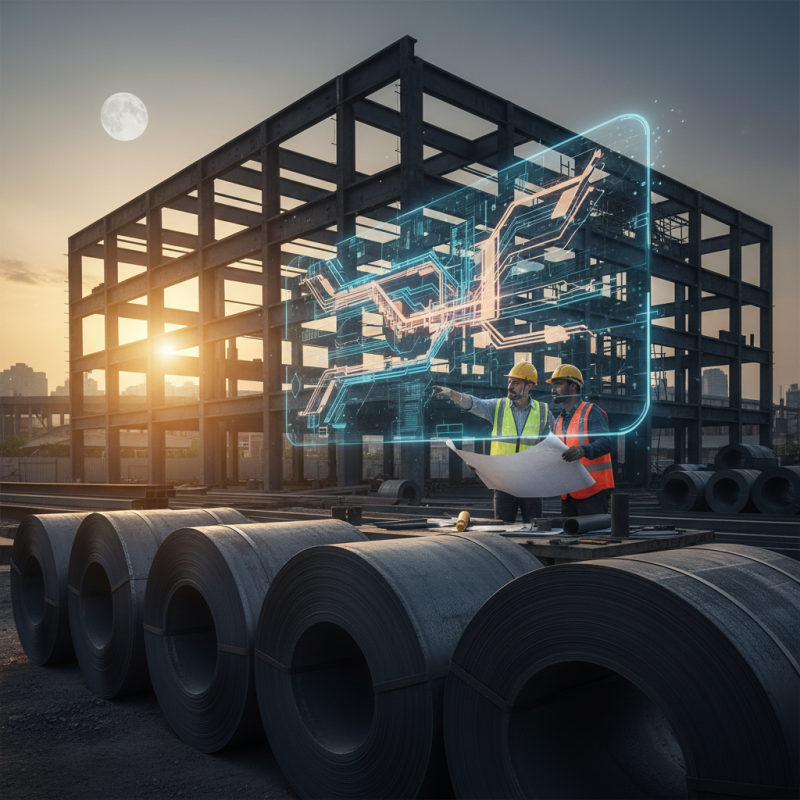
Using hot roll steel coils in construction projects comes with numerous advantages. The material is known for its strength and flexibility, making it suitable for various structural applications. When incorporated into beams, columns, or frames, hot rolled steel provides the necessary support while remaining lightweight. This balance is crucial for modern architecture, which often demands both durability and aesthetic appeal.
Cost-effectiveness is another significant benefit of hot rolled steel. The manufacturing process is efficient, allowing for mass production and lower prices. However, this does not compromise quality. Projects utilizing hot roll steel coils can maintain structural integrity without breaking the budget. Nonetheless, it's essential to evaluate your project's unique requirements. There are instances where hot rolled steel may not be the ideal choice, such as in environments prone to corrosion.
The visual appeal of hot rolled steel also plays a role in design. Its natural finish can complement modern styles and industrial aesthetics. Some professionals appreciate the raw look, while others may consider the need for surface treatment. This raises questions about maintenance and potential long-term durability. Being aware of these details leads to informed decision-making, ensuring the right choice for each unique project.
Durability and Strength: The Long-Term Performance of Hot Roll Steel
Hot roll steel offers a unique combination of durability and strength that makes it an excellent choice for various projects. When assessing materials for construction, hot rolled steel stands out due to its high tensile strength. It can withstand significant loads, making it reliable for structural applications like beams and frames. This strength also makes it less prone to deformation under stress, an important factor for projects that require longevity.
In addition to its strength, hot roll steel exhibits impressive durability. It can resist wear and tear caused by environmental factors. Buildings and structures made from this material have a reduced risk of failure over time. However, it’s important to note that while hot rolled steel is strong, it can still be susceptible to corrosion if not properly treated. Maintenance is crucial to ensure its long-term performance in harsh conditions.
Choosing hot roll steel should be a well-considered decision, considering both its advantages and potential challenges. It’s essential to evaluate your project’s specific needs and context. The benefits of using hot roll steel are significant, but you must also weigh factors like maintenance requirements and environmental exposure. This careful approach can lead to more effective and lasting results in your project.
Cost-Effectiveness of Hot Roll Steel Coils in Manufacturing Processes
Hot roll steel coils are increasingly preferred in manufacturing due to their cost-effectiveness. The production process involves heating steel and rolling it into thin sheets. This process minimizes energy consumption compared to cold rolling. According to the World Steel Association, the energy savings can reach up to 20%. Many manufacturers have recognized these savings and incorporated hot roll coils into their operations.
Additionally, hot rolled steel reduces material waste during the manufacturing process. A report from the American Iron and Steel Institute highlights a reduction in scrap rates by approximately 25% when hot rolled steel is used. This makes it a sustainable option. The unique properties of hot rolled steel also allow for easier shaping and forming, which can reduce labor costs. However, it may not offer the same surface finish as cold-rolled steel. This trade-off is worth considering for projects where aesthetics are not a priority.
While hot roll coils are beneficial, users must evaluate their specific needs. Some industries, like automotive, may require the precision of cold rolled steel. Moreover, hot rolled steel's susceptibility to rust indicates the need for proper coatings and maintenance. Understanding these aspects can lead to informed choices, maximizing cost savings while ensuring quality in manufacturing processes.
Why Choose Steel Coil Hot Roll for Your Next Project? - Cost-Effectiveness of Hot Roll Steel Coils in Manufacturing Processes
| Dimension |
Specification |
Cost ($ per ton) |
Applications |
| 1.0 mm |
HRPO (Hot-Rolled Pickled and Oiled) |
550 |
Automotive parts, structural components |
| 3.0 mm |
HRC (Hot-Rolled Coil) |
520 |
Construction, heavy machinery |
| 5.0 mm |
HRS (Hot-Rolled Steel) |
500 |
Shipbuilding, industrial equipment |
| 10.0 mm |
Hot-Rolled Plates |
480 |
Heavy load applications, fabrication |
Versatility of Hot Roll Steel Coils Across Various Industries
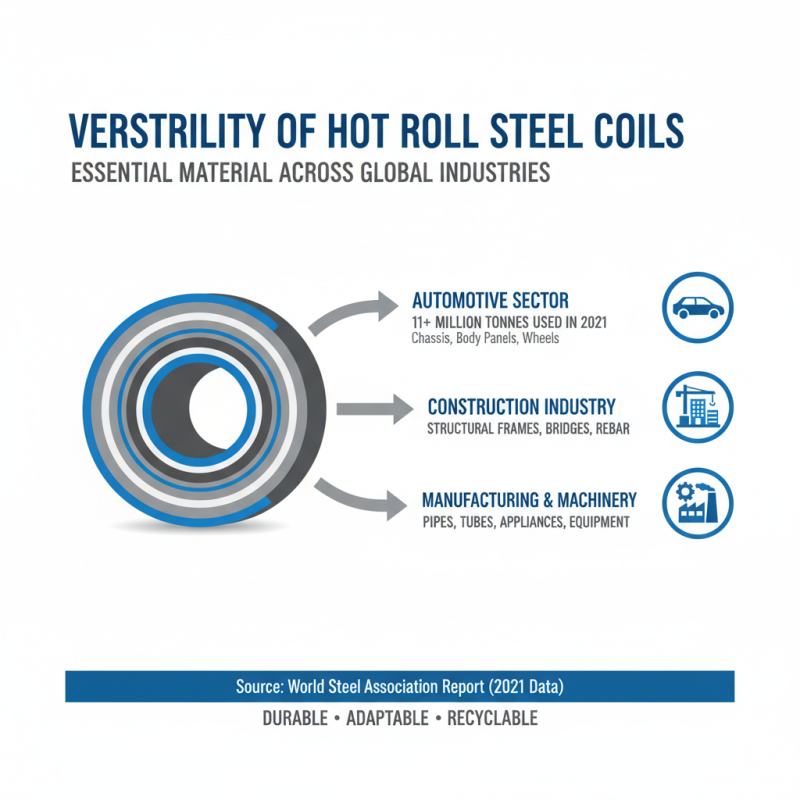
Hot roll steel coils are an essential material across many industries. They provide incredible versatility, making them suitable for various applications. According to a report by the World Steel Association, hot-rolled steel contributes significantly to automotive, construction, and manufacturing sectors. In 2021, automotive production alone used over 11 million tonnes of hot-rolled steel.
Construction projects benefit from hot roll steel for its strength and adaptability. It can be found in structural beams, reinforcing bars, and plates. In a recent survey by the American Institute of Steel Construction, 70% of respondents noted hot-rolled steel's critical role in modern architecture. This material not only meets structural requirements but also allows for innovative designs.
Despite its many advantages, hot roll steel isn't without limitations. Its susceptibility to corrosion makes proper treatment essential. Moreover, varying quality standards can affect its performance. Project managers must carefully select suppliers to ensure consistent quality. A review of industry practices can help address these challenges, ensuring the optimal use of hot roll steel in every project.
Environmental Impact: Sustainability in Steel Production and Usage
Steel production has a significant environmental impact. Hot-rolled steel coil is more sustainable compared to other materials. According to the World Steel Association, the steel industry is responsible for about 7% of global carbon emissions. This highlights the urgency for sustainable practices. Modern steelmaking has shown promising developments. Innovative technologies now allow a reduction of emissions by up to 40%.
Recycling plays a crucial role in steel sustainability. Nearly 70% of steel products are recycled at the end of their life cycle. This reuse diminishes the need for raw material extraction. In fact, every ton of recycled steel saves approximately 1.5 tons of iron ore, 0.5 tons of coal, and 0.3 tons of limestone. These numbers illustrate the tangible benefits of using recycled materials in steel production.
Choosing hot-rolled steel supports a circular economy. However, there are challenges faced by manufacturers. The energy consumption for production remains high. Additionally, many facilities still rely on outdated practices. Continuous improvement is needed to further reduce emissions and enhance efficiency. Sustainable steel production is not just a goal; it's a necessity for our future.
Environmental Impact of Steel Coil Hot Roll Production




 +86 18865111877