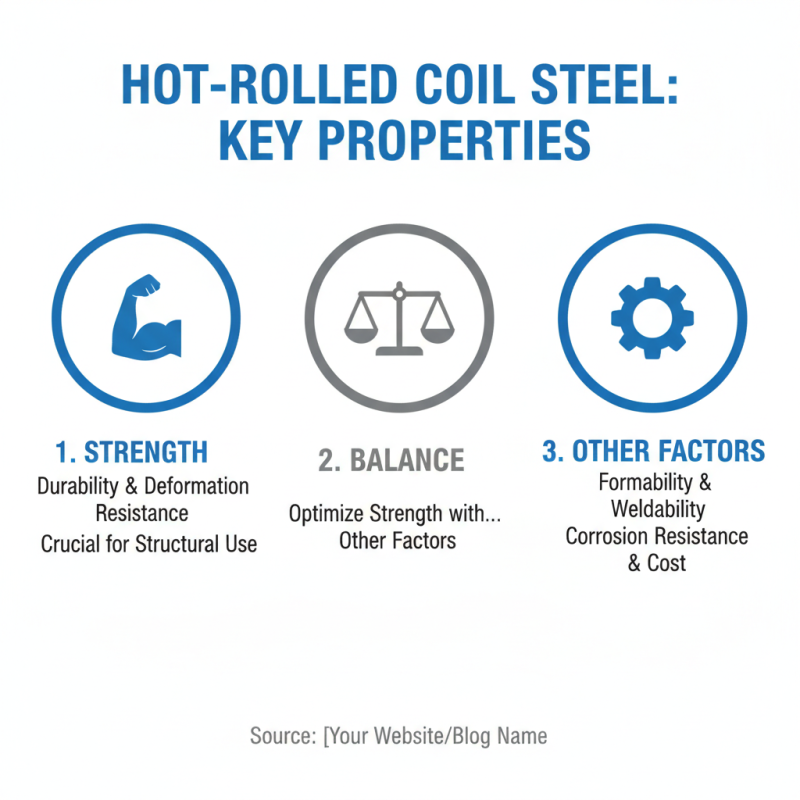
How to Choose the Best Hot Rolled Coil Steel for Your Projects?
When embarking on projects that require Hot Rolled Coil Steel, making the right choice is crucial. The global market for Hot Rolled Steel products is projected to reach 1.5 billion tons by 2025, indicating a high demand for quality materials. According to industry expert James Anderson, "Selecting the right Hot Rolled Coil Steel can dramatically impact your project's durability and cost-effectiveness."
Understanding the specifications and applications of different grades of Hot Rolled Coil Steel is essential. Each steel grade serves unique purposes, catering to various sectors such as construction and automotive. Yet, many overlook critical factors such as thickness, width, and strength. Without careful consideration, projects can face delays or budget overruns.
Often, buyers focus on price instead of quality. This can lead to regrettable decisions. A compromise on material quality may result in structural failures, safety hazards, and increased long-term costs. It's clear that the implications of your choices extend far beyond immediate financial savings. Evaluation is key, and reflective decision-making should guide your selection process.
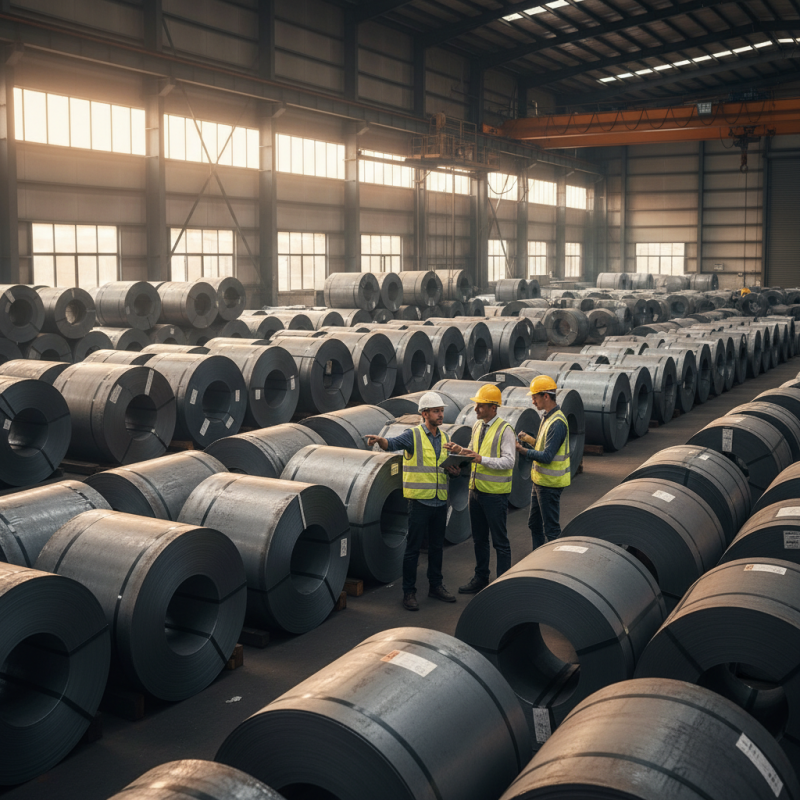
Understanding Hot Rolled Coil Steel: Definition and Characteristics
Hot rolled coil steel is a widely used material in construction and manufacturing. It is produced by rolling steel at high temperatures, often exceeding 1,700°F. This process changes the steel's structure, making it easier to shape. The resulting coils are flexible and can be cut into various sizes. However, this flexibility can also lead to inconsistent thickness.
Understanding the characteristics of hot rolled coil steel is essential for selecting the right type for your project. Hot rolled steel often has a rough surface finish, which may not be ideal for all applications. In some cases, surface imperfections can pose challenges. Corrosion resistance varies, so it’s crucial to consider the environment where the steel will be used. The steel's ductility and tensile strength are important factors. Yet, not all grades perform equally well under stress.
When choosing hot rolled coil steel, look for specifications that match your project's needs. Pay attention to mechanical and chemical properties. However, it's easy to overlook critical details. If you choose a wrong grade, it could lead to project delays or structural issues. Take time to weigh your options and ask for expert advice when needed.
Industry Standards and Grades: Selecting the Right Specification
When selecting hot rolled coil steel for projects, industry standards and grades play a crucial role. Various specifications are available, and each serves different purposes. Familiarizing yourself with these standards helps ensure your project meets its requirements. The common grades include ASTM A36 and S235. Each has distinct characteristics and possible applications.
It is essential to consider the thickness and width of the coils as they impact your project’s strength and durability. For instance, heavier gauges often provide more robustness. However, they can also be more challenging to work with. Additionally, check the surface quality. Surface defects can undermine the material's integrity.
Mistakes can happen when selecting steel. Misjudgments about the specific grade needed for a project may lead to complications later on. Always consult with professionals if uncertain. Take time to review requirements thoroughly before making a decision. Testing a sample beforehand can prevent costly errors down the road.
How to Choose the Best Hot Rolled Coil Steel for Your Projects?
| Grade |
Composition (C, Mn, P, S) |
Thickness (mm) |
Width (mm) |
Mechanical Properties (Yield Strength, MPa) |
Applications |
| Q235 |
C: ≤ 0.22%, Mn: 0.4-0.65%, P: ≤ 0.045%, S: ≤ 0.045% |
1.5 - 20 |
600 - 2000 |
235 |
Construction, Machinery |
| S235JR |
C: ≤ 0.17%, Mn: 1.0-1.6%, P: ≤ 0.04%, S: ≤ 0.04% |
1.5 - 25 |
600 - 2000 |
235 |
Structural Steel, Shipbuilding |
| SS400 |
C: ≤ 0.25%, Mn: 0.4-0.7%, P: ≤ 0.05%, S: ≤ 0.05% |
2.0 - 30 |
600 - 2000 |
245 |
General Building Structure |
| A36 |
C: ≤ 0.26%, Mn: 0.60-0.90%, P: ≤ 0.04%, S: ≤ 0.05% |
3.0 - 25 |
600 - 2000 |
250 |
Manufacturing, Construction |
Applications of Hot Rolled Coil Steel: Markets and Usage Trends
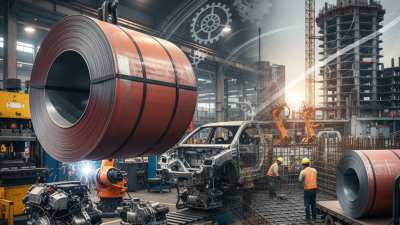
Hot rolled coil steel is widely used across various industries. Its flexibility makes it suitable for many applications. In construction, hot rolled coil is used for beams, columns, and plates. This steel can support heavy loads, making it essential for structural integrity. Many buildings and bridges rely on this material for stability.
Besides construction, automotive industries also benefit from hot rolled coil steel. It is used in manufacturing car frames and other components. The durability of this steel ensures long-lasting performance. However, there is a need for careful selection based on thickness and grade. Misjudging these factors can lead to issues in performance.
Another growing market is the energy sector. Hot rolled coil steel is essential in producing pipelines and storage tanks. The material's resistance to stress and pressure is crucial in these applications. Yet, companies must consider the environmental impact of their choices. Overlooking this can create a negative effect on sustainability goals.
Cost Considerations: Pricing Factors and Sourcing Strategies
When selecting hot rolled coil steel, cost considerations are crucial. Several factors influence pricing. Market demand can shift unexpectedly, affecting prices monthly. According to the latest industry reports, the average price of hot rolled steel fluctuated between $600 and $800 per ton in the past year. Fluctuations are often linked to global supply chain issues, trade policies, and input costs.
Understanding your sourcing strategies is vital. Obtaining quotes from multiple suppliers can uncover price variations. Some suppliers may provide discounts for bulk purchases, reducing overall costs. However, the cheapest option isn't always the best. Reliability and quality should remain priorities. Industry experts recommend closely examining suppliers’ production methods and material quality for long-term investment.
Lastly, staying updated with market trends is essential. Economic reports suggest that steel prices may continue to rise, driven by recovery in construction sectors. Being prepared to adapt sourcing strategies can help manage costs effectively. Consider potential risks of relying too heavily on one source. Diversifying supply options could safeguard against sudden price hikes or shortages in availability.
Cost Considerations for Hot Rolled Coil Steel




 +86 18865111877