How to Choose the Right Hot Rolled Alloy Steel Plate for Your Project?
When selecting a Hot Rolled Alloy Steel Plate for a project, it’s crucial to understand the specific requirements. John Smith, a leading expert in alloy materials, states, “Choosing the right steel plate can make or break the success of your project.” His insight highlights the importance of informed decision-making in this field.
Hot Rolled Alloy Steel Plates are widely used across industries due to their strength and versatility. However, not all plates are created equal. Different grades and finishes can significantly impact performance. Potential buyers often overlook these details, leading to costly mistakes.
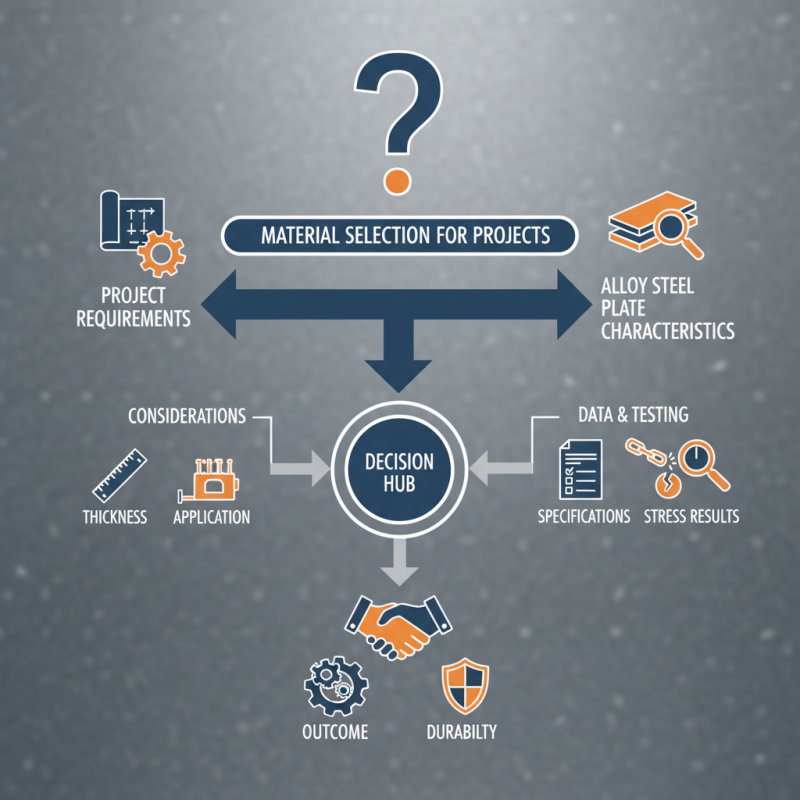
Choosing the ideal Hot Rolled Alloy Steel Plate involves considering factors like thickness, width, and application. It's essential to collect material specifications and stress testing results. Reflecting on choices ensures alignment with project needs. Being well-informed will enhance the reliability and durability of your final product.
Understanding Hot Rolled Alloy Steel Plates and Their Applications
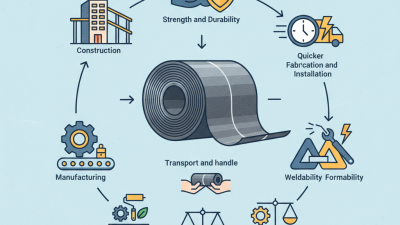
Hot rolled alloy steel plates are versatile materials used in various industries. They are formed by rolling steel at high temperatures, which changes their internal structure. This process enhances ductility and strength, making them suitable for heavy load applications. Common uses include construction, automotive, and machinery parts. The choice of alloying elements affects the plate's mechanical properties and its performance in specific conditions.
Understanding the specifications of these plates is crucial. Different alloys offer varying levels of strength, toughness, and resistance to corrosion. For example, nickel can improve toughness, while chromium enhances wear resistance. However, selecting the right plate can be challenging. Each project has unique requirements. Factors such as environmental conditions and load-bearing capacity must be considered.
Personal experience plays a significant role in making these decisions. It's essential to consult with experts who understand the nuances of alloy compositions. They can provide insights on the right grade for your needs. Moreover, reflect on past projects to identify what worked well. Learning from previous selections can lead to better choices in the future.
Hot Rolled Alloy Steel Plate Applications
Key Factors to Consider When Choosing Alloy Steel Plates
Choosing the right hot rolled alloy steel plate is crucial for your project's success. Several factors should guide your selection. First, consider the material's chemical composition. Different alloys offer varying strengths, ductility, and resistance to corrosion. For example, plates with higher carbon content generally provide greater strength. However, they might be less ductile, potentially affecting fabrication processes.
Another key aspect is the thickness of the plate. Thicker plates tend to withstand greater stresses but can be more challenging to work with. Ensure that your project's design requirements align with the thickness you select. Also, weight can influence transportation and handling. Assess the logistical implications of your choices.
**Tips:** Always check the material certifications. Verify the plate's compliance with relevant standards. Quality assurance is essential. Be cautious about price; a lower cost may indicate inferior quality. Lastly, consult with engineering professionals. Their insights can guide you toward better decision-making.
Assessing Mechanical Properties for Your Specific Project Needs
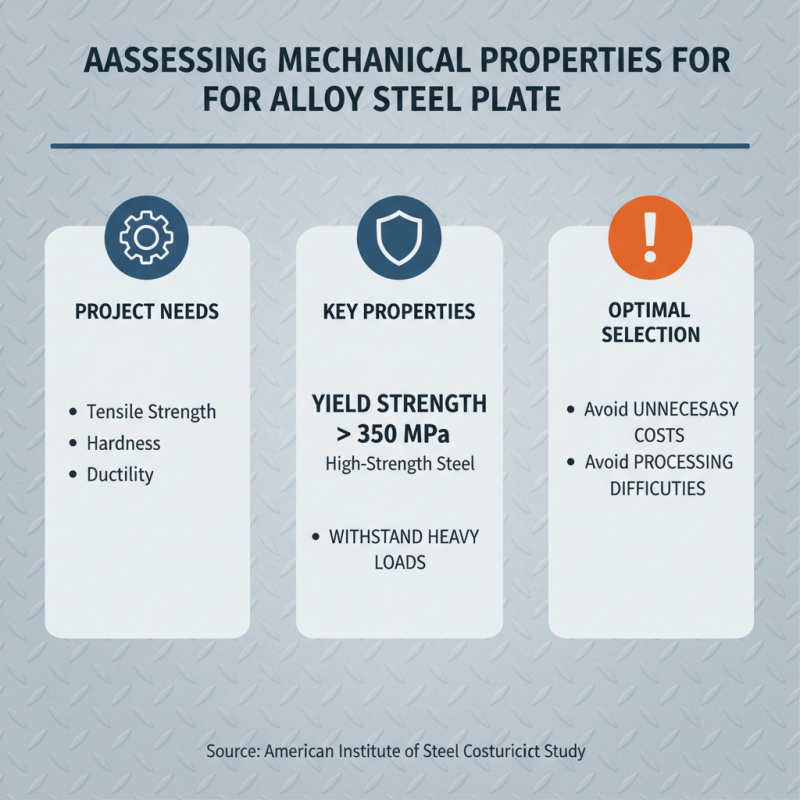
Choosing the right hot rolled alloy steel plate requires careful assessment of mechanical properties. Different projects demand specific attributes, such as tensile strength, hardness, and ductility. For example, a study from the American Institute of Steel Construction indicates that high-strength steel plates typically have a yield strength of over 350 MPa. This strength enables structures to withstand heavy loads. However, selecting too high a strength for lighter applications can lead to unnecessary costs and difficulty in processing.
Ductility is another crucial factor. A project focused on forming may benefit from steel plates with higher elongation percentages. Standard alloy steel can often provide elongation values around 15% to 20%. Choosing a plate with lower ductility for such projects may result in cracking during fabrication. Additionally, hardness levels vary significantly across alloy compositions. Hardness readings, measured on the Brinell scale, can guide decisions—values from 150 to 250 are common, but careful evaluation is essential to match hardness with application needs.
Lastly, consider the specific environmental conditions your project will face. Corrosion resistance is vital for outdoor applications. For instance, an alloy plate exposed to marine environments should be carefully selected to avoid accelerated deterioration. Ignoring these factors can lead to structural failures. Remember that each project has unique requirements. Tailor your choice based on reliable data and industry standards for the best results.
Evaluating Cost-Effectiveness and Supplier Options
Choosing the right hot rolled alloy steel plate involves evaluating cost-effectiveness and supplier options. Many projects require specific properties such as strength, ductility, and hardness. A recent industry report estimates that over 40% of construction projects experience budget overruns due to improper material selection.
When considering suppliers, assess their track record and certifications. Companies with ISO 9001 certification often demonstrate higher reliability. Yet, not all suppliers maintain transparency in their pricing models. A survey by the American Institute of Steel Construction revealed that 25% of buyers find hidden costs only after placing orders. This can lead to project delays and increased expenses.
Importantly, value doesn’t always correlate with price. Some suppliers may offer lower upfront costs while lacking quality. Conversely, higher-quality plates might seem expensive but lead to savings in the long run. Engineers and procurement teams should critically analyze supplier proposals and seek references. Understanding the complexities of alloy compositions can also enhance decision-making. Balancing cost with reliable sourcing is crucial for project success.
How to Choose the Right Hot Rolled Alloy Steel Plate for Your Project?
| Material Grade |
Thickness (mm) |
Width (mm) |
Length (mm) |
Cost per Ton ($) |
Supplier Rating (1-5) |
| A36 |
10 |
2000 |
6000 |
750 |
4.5 |
| SAE 4140 |
20 |
1500 |
3000 |
1500 |
4.7 |
| A572 Gr 50 |
15 |
2500 |
5000 |
950 |
4.2 |
| S235JR |
12 |
1600 |
4500 |
800 |
4.3 |
Maintaining Compliance with Industry Standards and Regulations
Choosing the right hot rolled alloy steel plate for your project involves compliance with industry standards and regulations. These standards ensure product quality and safety. It’s key to familiarize yourself with relevant guidelines. This knowledge helps in selecting appropriate materials that meet project requirements.
Industry standards like ASTM and ISO provide specifications for alloy steel plates. These guidelines cover the chemical composition and mechanical properties. Understanding these can prevent costly delays later. Ensure your supplier can provide documentation proving compliance. Such documents build trust and reduce risk.
Tip: Always ask for certificates of compliance. This step is vital in avoiding future issues. Another important aspect is recognizing the differences between grades. Not all plates are created equal.
Pay attention to specific applications. Sometimes what seems perfect in theory falls short in practice. This requires careful assessment and perhaps consultation with experts. Don't hesitate to seek advice tailored to your specific needs. Failure to address these factors can lead to project setbacks. Every detail counts in achieving successful outcomes.




 +86 18865111877