How to Choose the Right Coil Hot Roll for Your Project?
Choosing the right Coil Hot Roll is crucial for the success of any construction or manufacturing project. The market for Coil Hot Roll has been expanding steadily, with a growth rate of about 5% annually according to the latest industry reports. As highlighted by renowned expert Dr. John Peterson, “Selecting the right Coil Hot Roll can significantly affect structural integrity and cost efficiency.”
When opting for Coil Hot Roll, factors such as thickness, width, and material properties must be carefully considered. A mismatch in specifications can lead to project delays and increased expenses. For instance, using a lighter gauge may reduce upfront costs, but it can compromise durability.
Understanding the intended application of Coil Hot Roll is key. Various industries have unique requirements, and one wrong choice may result in unforeseen challenges. Personal experience in the industry reveals that too often, buyers overlook the importance of proper consultation, resulting in costly mistakes. Always think critically about your needs.
Understanding Coil Hot Roll: Definition and Applications
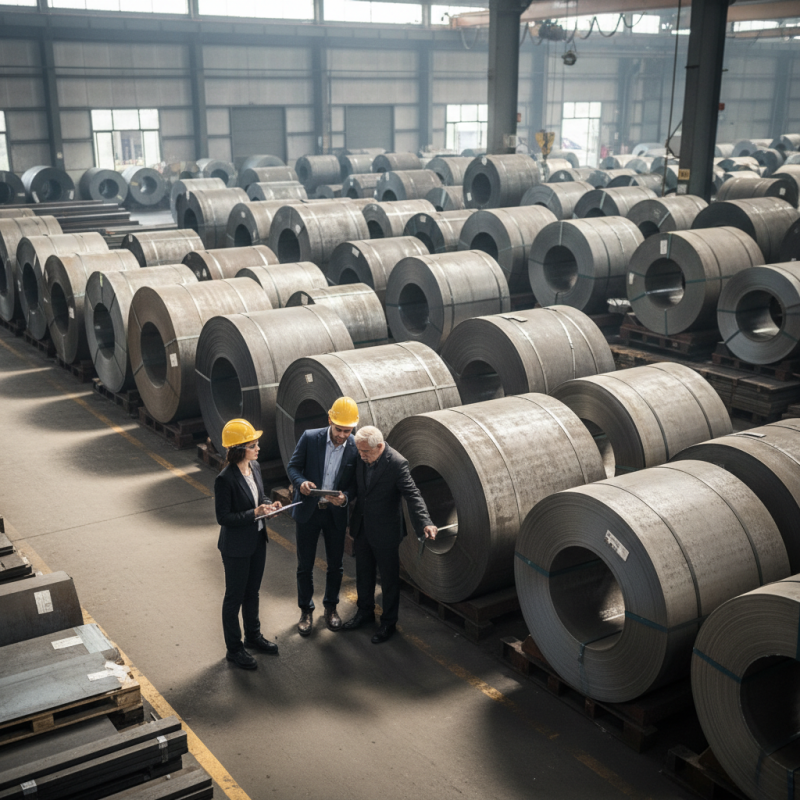
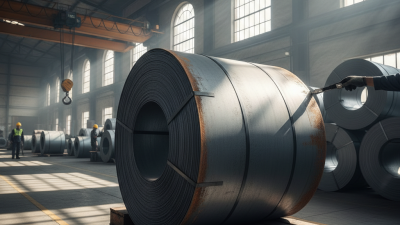
Coil hot roll is a type of steel product widely used in various industries. It consists of flat rolled steel that has been heated and shaped. This process enhances its malleability and workability. The definition of coil hot roll may seem straightforward, but the applications are diverse. From automotive to construction, the uses are numerous.
In automotive manufacturing, coil hot roll is crucial. It is often used to create parts like frames and panels. These components need to have strength and durability. In construction, it can support structural frameworks. However, the choice of material matters a lot. You may need different thicknesses or grades based on specific project requirements.
Choosing the right coil hot roll requires careful consideration. Look for factors like tensile strength and surface finish. These details affect performance. Sometimes, doing extensive research can lead to confusion. It’s essential to ensure that the selected material meets all project needs. Reflect on what features are necessary before making a decision.
Factors to Consider When Selecting Coil Hot Roll Materials
Choosing the right coil hot roll materials involves considering several critical factors. The thickness of the coil is a primary concern. Thickness affects strength, weight, and application suitability. Most industry reports suggest that a thickness range of 0.1 to 0.5 inches covers most needs. However, reflecting on specific project demands is essential. In some cases, thinner or thicker options may be needed.
Chemical composition also plays a crucial role in material durability. For example, the presence of manganese can enhance strength. Therefore, knowing your project's environment and stresses is vital. According to industry studies, low-carbon steels often yield better results in welding applications.
Tips: Always prioritize quality over cost. While cheaper options may seem appealing, they might lead to issues down the line. Consider future maintenance and long-term performance. Another tip: consult with industry specialists. They can provide insights based on current trends and standards. In the end, your project’s success can hinge on well-informed material choices.
Evaluating Strength and Durability for Your Project Needs
When selecting coil hot roll for your project, strength and durability are critical factors. Understanding the specific requirements can guide your choice. Strength refers to how much weight or force the material can withstand. Durability indicates how well it can endure environmental stressors. Certain projects may demand high tensile strength, while others may focus more on fatigue resistance.
Consider the application and environment. For example, if the hot roll will be exposed to moisture, choose a material with higher corrosion resistance. Pay attention to thickness as well. A thicker coil often provides better strength but may add weight. The balance between strength and functionality can be challenging. Sometimes, what seems ideal on paper might not work in practice.
Testing prototypes could reveal unforeseen weaknesses. This is where real-world experience is invaluable. Evaluate the coils against actual project conditions. Keep in mind budget and availability as well. These logistical elements are just as important. Finding the right coil isn’t always straightforward. Engaging in discussions with experts can shed light on your specific needs. The aim is to make informed choices that will stand the test of time.
Cost Analysis: Budgeting for Coil Hot Rolls
When budgeting for coil hot rolls, it's crucial to understand your specific project needs. Start by estimating the quantity and type of hot roll required. Costs can vary widely based on thickness and width. Consider sourcing multiple quotes from suppliers. This can help you identify competitive pricing options. Paying attention to these details can significantly impact your overall budget.
Next, think about hidden costs. Transportation fees might sneak into your total. Shipping fees depend on your location and supplier distance. Installation costs can also add up quickly. It’s vital to factor these into your initial budget. Reflect on possible project delays too. They can escalate costs unexpectedly.
Finally, if you're working with a tight budget, prioritize essential features over extras. Sometimes, a simpler coil hot roll suffices. Take time to analyze your needs carefully. Each project is unique, and understanding this complexity can lead to a more effective budget. Some mistakes may occur, but learning from them improves future planning.
How to Choose the Right Coil Hot Roll for Your Project? - Cost Analysis: Budgeting for Coil Hot Rolls
| Material Type |
Thickness (mm) |
Width (mm) |
Price per Ton ($) |
Estimated Quantity (Tons) |
Total Cost ($) |
| Hot Rolled Steel |
5 |
1200 |
600 |
10 |
6000 |
| Cold Rolled Steel |
3 |
1000 |
700 |
15 |
10500 |
| Galvanized Steel |
2.5 |
800 |
800 |
8 |
6400 |
| High Strength Low Alloy Steel |
6 |
1300 |
750 |
12 |
9000 |
Working with Suppliers: Best Practices for Ordering Hot Rolls
Choosing the right coil hot roll involves careful consideration, especially when working with suppliers. Effective communication is key. Always clarify specifications to avoid misunderstandings. Don't assume that suppliers might know exactly what you need.
Tips: Create a detailed checklist. Include dimensions, weight, and finish. This helps suppliers provide accurate quotes. It also ensures you don’t miss essential details.
Establish a reliable relationship with suppliers. Trust is built over time. It's important to have open discussions. Be transparent about your project needs and timelines. If something seems off, don't hesitate to ask questions. This lays the groundwork for future orders.
Having a backup plan is also wise. Sometimes delays happen, and orders may not go as planned. Be prepared to adapt if necessary. This flexibility can save valuable time in the long run. Always keep the lines of communication open for smooth transactions.



 +86 18865111877