Why is Steel Coil Hot Roll Essential in Modern Manufacturing?
In the modern manufacturing landscape, Steel Coil Hot Roll plays a vital role. This material's versatility supports various industries. John Smith, a leading expert in metallurgy, asserts, "Steel Coil Hot Roll forms the backbone of industrial production." His insight underscores its significance.
Steel Coil Hot Roll is crucial for creating durable products. Its strength and adaptability enhance production efficiency. In construction and automotive sectors, it serves as a primary material. The innovative properties of this steel type enable manufacturers to meet stringent demands. However, challenges exist. The production process can be energy-intensive, impacting sustainability.
Moreover, not all Steel Coil Hot Roll is created equal. Quality can vary among suppliers. Manufacturers must carefully select their sources. This attention to detail ensures reliability in end products. As industries evolve, so too does the need for improved materials. Steel Coil Hot Roll remains a cornerstone of manufacturing, yet it requires continuous refinement and evaluation.
The Definition and Characteristics of Hot Rolled Steel Coils
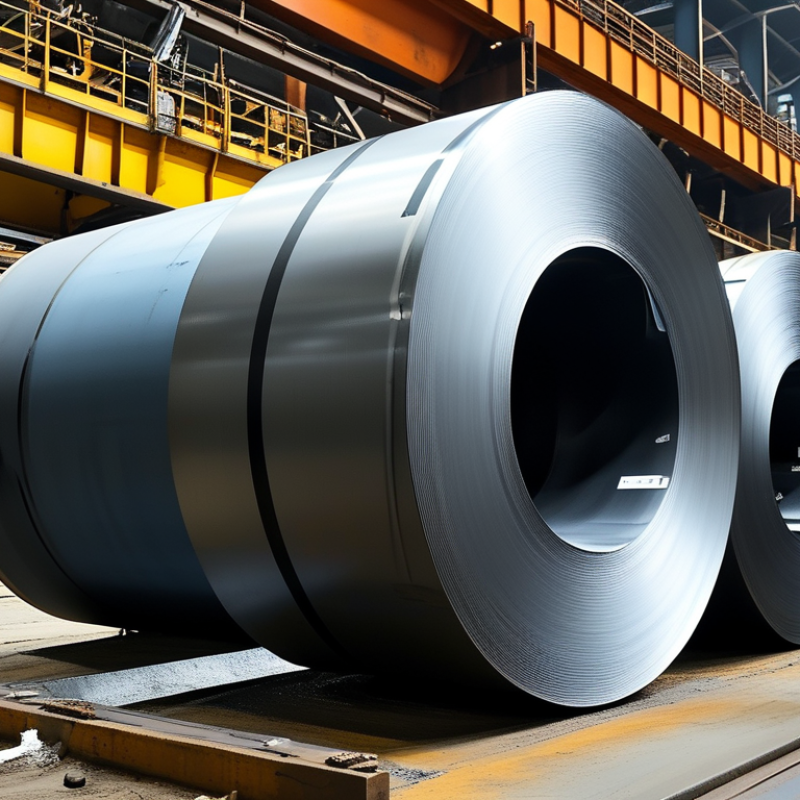
Hot rolled steel coils are vital in modern manufacturing. They are produced by rolling steel at high temperatures, approximately 1,700°F. This process makes the steel malleable, allowing it to be shaped into various dimensions and forms. The end product is known for its excellent strength and durability. According to industry reports, over 70% of structural steel used globally involves hot rolled products.
These coils have specific characteristics. They typically exhibit a rough surface finish and may have slight dimensional variations. However, this inconsistency can sometimes affect their usability. For example, certain applications might require tighter tolerances. The manufacturing sector needs to consider these parameters when sourcing materials.
Tip: Always check the tolerances and specifications required for your project.
Many industries use hot rolled steel, including construction and automotive. Its versatility supports applications from beams to automotive frames. However, not all hot rolled steel is suitable for every task. Proper understanding of its properties is crucial. Seek expert advice when selecting hot rolled products for specific needs.
Tip: Engage with industry professionals for insights. They can guide you in choosing the right material.
The Manufacturing Process: How Hot Rolled Steel Coils Are Made
Hot rolled steel coils are vital in modern manufacturing. Their creation begins with raw steel, which is heated at high temperatures. This process softens the steel, making it easier to shape. Once heated, the steel is passed through a series of rollers. This reduces its thickness and refines its surface.
The hot rolling process results in wide and thin sheets of steel. These sheets are then coiled for easy handling. This method is efficient and cost-effective. However, it can lead to surface imperfections. These flaws may impact the final product. Manufacturers need to consider this during the design phase.
Tip: Regular checks during the rolling process can minimize defects. Quality control ensures the final product meets specifications. It saves time and resources down the line. Always inspect coils for any signs of damage before use.
In addition, it's essential to maintain the equipment used in hot rolling. A well-maintained roller ensures consistent thickness and quality. Neglecting maintenance can lead to greater variability in the product. Ultimately, understanding these nuances is key to leveraging hot rolled steel effectively.
Applications of Hot Rolled Steel Coils in Various Industries
Hot rolled steel coils play a crucial role in
various industries, including automotive,
construction, and appliances. The automotive sector alone accounts for nearly 19% of global steel consumption. This is due to the need for lightweight yet durable materials that can withstand high stress and strain.
Hot rolled steel coils provide excellent malleability, allowing manufacturers to shape the material into complex parts.
In construction, hot rolled steel is favored for its structural integrity. Approximately 70% of steel in construction applications is hot rolled. It forms the framework for buildings, bridges, and various structural components.
The ability to produce large quantities efficiently also makes hot rolled steel economical for contractors.
Despite these advantages, some concerns arise regarding material inconsistencies.
Variability in thickness and uneven edges can occur during the rolling process.
Manufacturers must address these issues to maintain quality standards.
Continuous advancements in technology aim to mitigate these flaws and enhance the reliability of hot rolled steel products.
Balancing efficiency with consistency remains a challenge for the industry.
Advantages of Using Hot Rolled Steel in Modern Manufacturing
Hot rolled steel is a cornerstone of modern manufacturing. Its versatility and strength make it a preferred choice among manufacturers. According to the World Steel Association, around 1.7 billion tons of crude steel are produced annually, with a significant portion being hot rolled. This process enhances the mechanical properties of steel, providing excellent durability and structural integrity.
One major advantage of hot rolled steel is its ability to be shaped and formed easily. Manufacturers can create complex shapes without compromising material strength. This adaptability is crucial for sectors like automotive, construction, and machinery. Reports reveal that using hot rolled steel can lower production costs by as much as 15%, streamlining manufacturing processes.
Tips: Always consider the environmental impact. Hot rolled steel typically requires less energy to produce compared to cold rolled, making it more eco-friendly. When sourcing materials, ensure to evaluate suppliers based on their production practices. Assessing sustainability can lead to more responsible manufacturing.
Additionally, imperfections in hot rolled steel, such as surface scale, can pose challenges. Manufacturers must address these issues, as they may affect finishing processes. Regular quality checks can help mitigate these concerns and ensure better end products. Staying informed about the latest advancements can guide manufacturers in optimizing their techniques for improved efficiency and performance.
Future Trends in Hot Rolled Steel Coil Production and Usage
The future of hot rolled steel coil production is shaped by several transformative trends. Industry reports suggest that the global hot rolled steel market is expected to reach a value of $500 billion by 2028. This growth is driven by the increasing demand from automotive and construction sectors. Companies are focusing on innovative rolling techniques to enhance yield strength and reduce thickness variability. Advanced processing methods can decrease waste and improve the efficiency of production lines.
Sustainability stands out as a key driver in future hot rolled steel usage. The push for greener manufacturing practices has led companies to integrate recycled scrap metal into their processes. Reports project that by 2025, 30% of hot rolled steel could be produced from recycled sources. Despite these advances, challenges remain. The volatility of raw material prices and energy consumption in production can hinder progress. Manufacturers need to address these issues to keep pace with market demands. Balancing efficiency with environmental responsibility will be key to sustainable growth in this industry.
Global Hot Rolled Steel Coil Production (in Metric Tons)



 +86 18865111877