10 Essential Tips for Choosing a Hot Rolled Steel Plate Factory
Selecting the right Hot Rolled Steel Plate Factory is crucial for quality and durability. Experts emphasize the importance of this decision. John Smith, a leading steel industry authority, once said, “The right factory can make or break a project.” This highlights the weight of the choice you face.
When choosing a factory, consider its reputation and technology. Many factories offer similar products, but not all have the same standards. Inadequate production techniques can lead to inferior quality steel. Poor choices can impact your project costs and timelines.
Understanding supplier capabilities is essential. Look for a factory that can cater to your specific needs. Research their quality control measures. Some factories may cut corners to save costs, affecting product strength. Selecting a reliable Hot Rolled Steel Plate Factory can be daunting, but taking time to research can prevent future regrets.
Understanding Hot Rolled Steel Plates: Properties and Applications
Hot rolled steel plates are widely used in various industries. They are produced by rolling the steel at high temperatures, which makes them malleable. This process allows manufacturers to create larger and thicker plates. The main properties of hot rolled steel include its durability and strength. These plates can withstand heavy loads, making them ideal for construction and manufacturing applications.
Applications of hot rolled steel plates are diverse. They are used in building structures, bridges, and machinery. Additionally, these plates can be found in automotive frames and industrial equipment. However, one must consider the potential drawbacks. For example, the surface finish of hot rolled steel may not be as smooth as cold rolled alternatives. This could affect aesthetic applications. Moreover, the material may be more prone to corrosion without proper treatment.
Choosing the right factory for hot rolled steel plates is crucial. Consider factors like material quality and production processes. It's important to inspect samples to ensure they meet project specifications. Some factories may have inconsistent quality, which can affect your results. Always ask about their quality assurance practices. It ensures that you receive a product that not only meets standards but also provides long-lasting performance.
Comparison of Hot Rolled Steel Plate Properties
This bar chart provides a comparison of various properties of hot rolled steel plates, including tensile strength, yield strength, elongation, thickness variance, and weight per square meter. Understanding these properties is crucial when selecting a factory for hot rolled steel plates.
Evaluating Manufacturing Standards: ISO 9001 and ASTM Compliance in Factories
When selecting a hot rolled steel plate factory, compliance with manufacturing standards is crucial. ISO 9001 certification indicates a commitment to quality management systems. Factories adhering to this standard often show increased efficiency. According to a report by the American Society for Quality, organizations with ISO 9001 can achieve a 20% reduction in waste.
ASTM compliance is equally important. This standard ensures that materials meet specific performance criteria. A factory following ASTM guidelines typically produces better quality steel products. Research indicates that products meeting ASTM standards have a 30% lower failure rate in stress tests.
Tip: Assess factory facilities personally. Observe equipment and cleanliness. Meet staff and discuss their training processes. It’s vital to gauge their quality control measures as well.
Looking for certifications should be a priority. Verify if the factory’s quality control processes align with ISO and ASTM requirements. A majority of manufacturers with these certifications often invest in continuous improvement initiatives. However, not all facilities prioritize transparency. Ensure you ask for documentation that supports their claims.
Assessing Production Capacity: Metrics for Hot Rolled Steel Plate Output
When choosing a hot rolled steel plate factory, assessing production capacity is crucial. Metrics such as output volume and turnaround time play significant roles. According to industry reports, factories typically produce anywhere from 1,000 to 10,000 tons per month. This range varies widely based on equipment and workforce capabilities.
A factory’s technology directly influences output. Continuous casting systems often yield higher productivity than traditional methods. For example, a facility using advanced technology can enhance efficiency by nearly 30%. However, not all manufacturers invest in the latest systems. This choice affects their ability to meet high demand, making it necessary to inquire about their production methods.
Quality control is also an important capacity metric. Regular inspections and batch testing are standard practices. However, only 40% of factories reportedly adhere to international quality standards consistently. This inconsistency can impact the hardware’s performance in real-world applications. Engaging with a factory that prioritizes quality will ultimately save time and resources, reducing the need for rework or replacements.
Quality Control Processes: Testing Methods and Certifications in the Industry
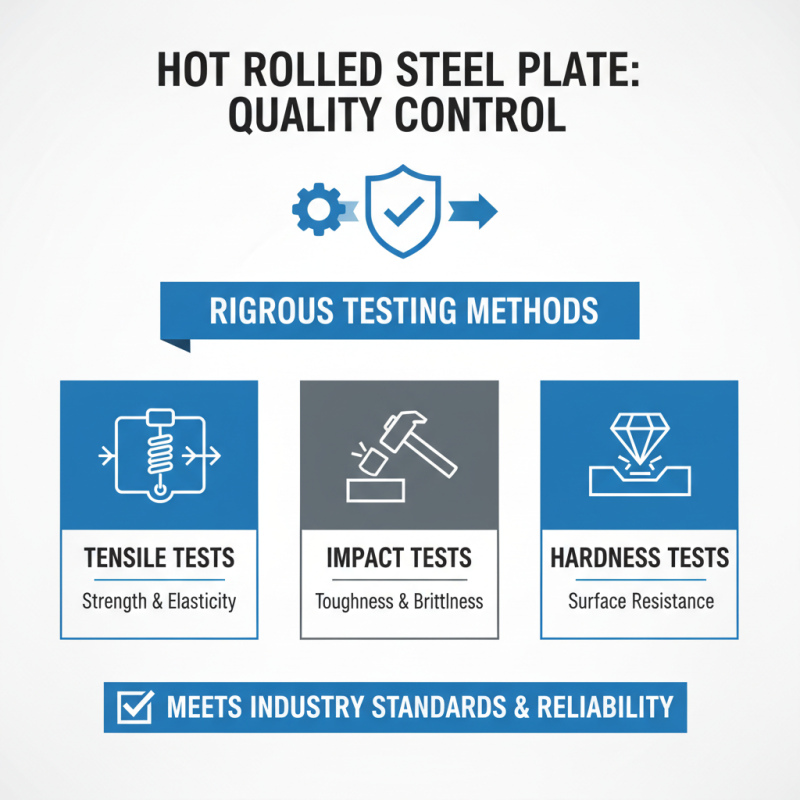
When selecting a hot rolled steel plate factory, understanding quality control processes is crucial. Factories should employ rigorous testing methods to ensure that the steel plates meet industry standards. Common testing methods include tensile tests, impact tests, and hardness tests. Each method evaluates specific properties of the steel, providing insight into its reliability and performance.
Certifications play a significant role in gauging quality. Look for certifications like ISO 9001 and ASTM standards. These indicate that factories follow recognized guidelines. However, not all factories may hold these certifications. It raises concerns about product reliability. This gap can often make clients uncertain about their choices.
Moreover, quality control should not be a one-time check. Continuous monitoring and inspections are vital. Some factories might not prioritize this aspect, leading to inconsistent quality. It's essential to engage with the factory, ask specific questions about their quality assurance processes, and observe their commitment to maintaining high standards. Collecting this information will aid in making an informed decision.
Analyzing Cost-Effectiveness: Factors Influencing Hot Rolled Steel Pricing
When selecting a hot rolled steel plate factory, understanding cost-effectiveness is key. Pricing for hot rolled steel can vary widely. Factors such as market demand, production methods, and raw material costs play significant roles. Local markets may experience fluctuations that directly affect prices. Consider conducting thorough market research to determine what influences costs in your region.
Quality should never be overlooked, even while seeking lower prices. Sometimes, cheaper options mean sacrificing durability. It’s wise to examine the factory's production standards. Smaller factories may offer lower prices, but they might struggle with consistency. In the long run, investing a bit more could lead to better performance and longevity in your projects. Customers often regret going for the lowest bid without analyzing quality first.
Don’t forget transportation and shipping costs. They can unexpectedly inflate total expenses. Factories located near your project site might save you money in the long haul. Additionally, always check for hidden fees in contracts. Transparency is crucial when assessing total costs. Sometimes, a seemingly perfect deal can lead to hidden surprises. Careful consideration of all these factors will ensure a more informed decision.
10 Essential Tips for Choosing a Hot Rolled Steel Plate Factory - Analyzing Cost-Effectiveness: Factors Influencing Hot Rolled Steel Pricing
| Factory Location |
Average Price per Ton ($) |
Delivery Time (Days) |
Quality Certification |
Production Capacity (Tons/Month) |
| North America |
700 |
30 |
ISO 9001 |
5000 |
| Europe |
750 |
25 |
EN 10025 |
4000 |
| Asia |
600 |
20 |
JIS G 3101 |
8000 |
| South America |
720 |
35 |
NBR 2037 |
3000 |
| Africa |
680 |
40 |
SANS 50025 |
2000 |




 +86 18865111877