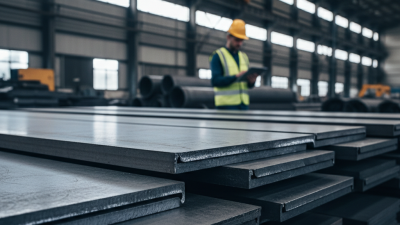
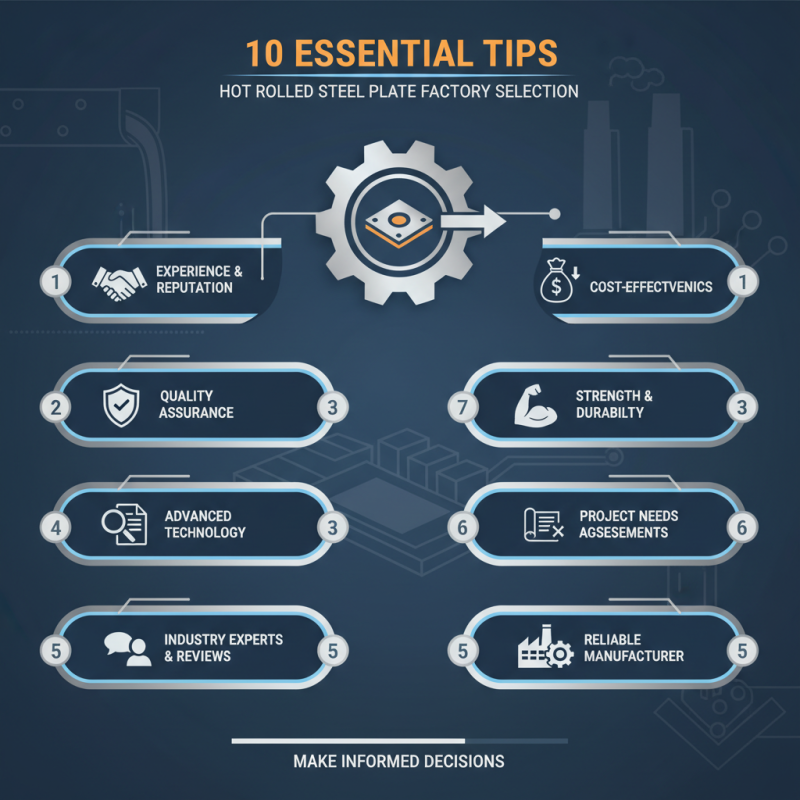
Choosing a reliable Hot Rolled Steel Plate Factory is crucial for many industries. The quality of the steel plate can significantly impact the final product's performance. Factors like durability, strength, and cost-effectiveness depend on the factory you select.
Experience plays a key role in evaluating these manufacturers. Look for factories with a solid track record and established reputation. It is not just about price; quality assurance matters. You should also consider the technology they use. Advanced machinery often leads to better quality products.
Conducting thorough research helps in making informed decisions. Engage with industry experts and seek customer reviews. Sometimes, the allure of lower prices can overshadow quality concerns. Reflect on what your project truly needs. Avoid rushing into agreements without due diligence.
Hot rolled steel plates are fundamental in various industries. They possess distinct characteristics that influence their applications. For instance, they are known for their malleability and versatility. According to a 2022 report from the World Steel Association, hot rolled steel accounts for roughly 30% of global steel production. This highlights its significance in manufacturing sectors.
These plates have a unique finish and thinner profiles. Commonly, they are used in construction, automotive, and machinery industries. A study by the American Iron and Steel Institute noted that hot rolled steel plates are favored for their lower cost and improved mechanical properties. While they can be less precise than cold rolled alternatives, their strength and toughness remain appealing.
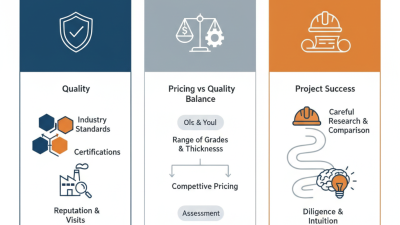
Choosing a reliable factory is crucial. Not all manufacturers maintain the same quality standards. It is essential to consider their certifications and manufacturing processes. Some factories may struggle with consistency in product dimensions or surface quality. Hence, it's important to verify their capabilities before making a selection. Balancing cost and quality is an ongoing challenge for many buyers in the steel industry.
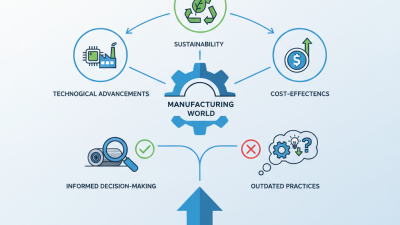
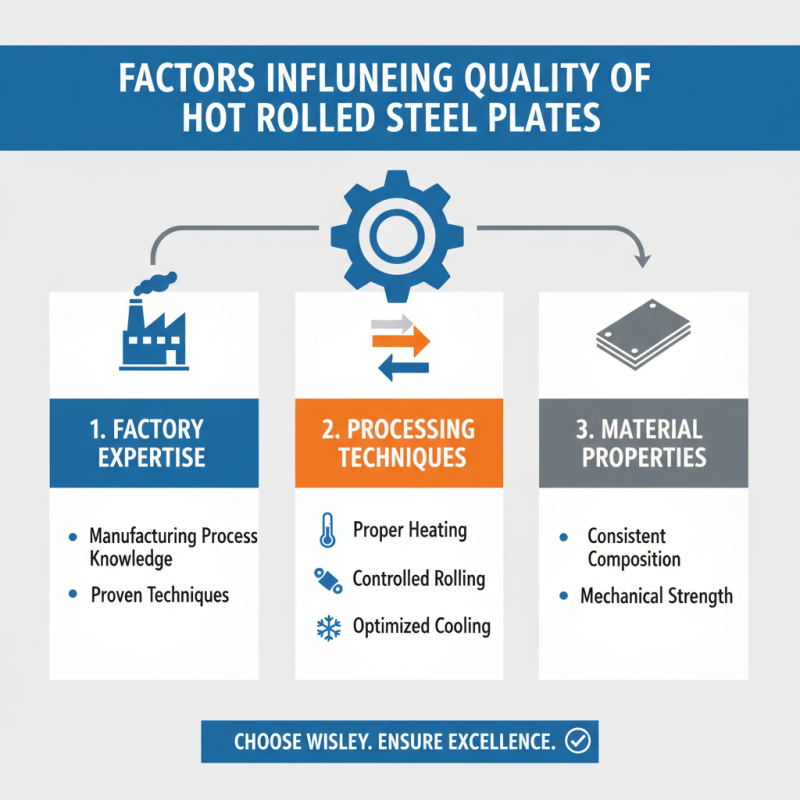
Choosing the right hot rolled steel plate factory involves several critical factors. The quality of hot rolled steel plates largely hinges on the manufacturing process. Understand how steel is processed. Proper heating, rolling, and cooling techniques are essential. A factory's expertise in these areas can greatly influence the end product.
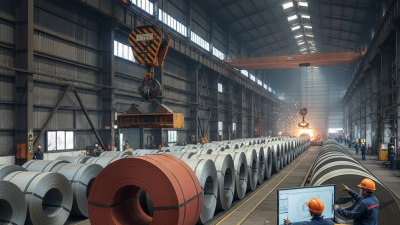
Inspect the factory’s equipment and technology. Outdated machinery can lead to inconsistencies in plate thickness and surface finish. Look for advanced technology, which typically ensures better quality control. Additionally, check the factory’s certifications. Accredited factories often adhere to higher standards. This can offer some assurance regarding their production processes.
Another important aspect is the raw materials used. High-quality raw materials directly impact the strength and durability of the plates. Transparency about sourcing materials is a good sign. It's also beneficial to seek feedback from previous clients. Their experiences can reveal key insights about the factory’s reliability and product quality. A combination of these factors will help you find a factory that meets your standards.
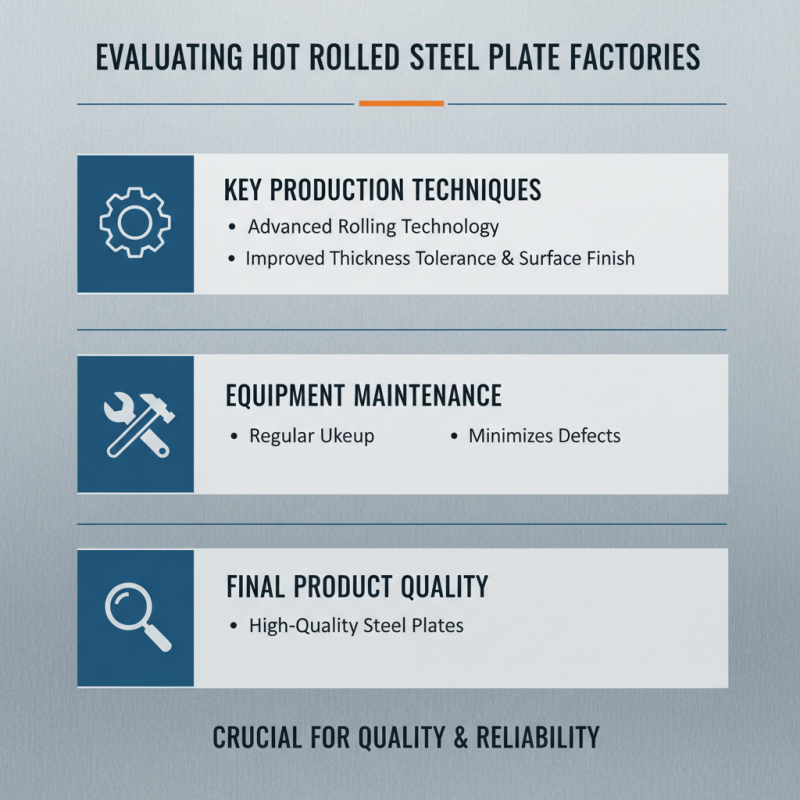
When evaluating the manufacturing process of hot rolled steel plate factories, understanding key production techniques is crucial. The methods employed can significantly impact the quality of the final product. For instance, check if the factory uses advanced rolling technology, as it leads to improved thickness tolerance and surface finish. A reliable factory should also regularly maintain its equipment to minimize defects.
Pay attention to the factory's workforce expertise. Skilled personnel are vital to maintaining consistent quality. Regular training and certifications are indicators of a committed workforce. Communication between workers and management about production issues is also essential for improvement. Effective problem-solving practices can lead to innovative processes.
Consider the factory's raw material sourcing. High-quality steel billets enhance the final product's durability. Investigating suppliers can sometimes be a reflection of the factory's standards. Some factories may cut corners to reduce costs, so it's wise to be cautious. In your evaluation, look for transparency about the sourcing and quality control measures. This thorough approach ensures you choose a factory that meets your needs for hot rolled steel plates.
When selecting a hot rolled steel plate factory, evaluating its certifications is crucial. Many manufacturers claim quality, but not all adhere to stringent standards. Look for certifications such as ISO 9001, which indicates a commitment to quality management. Compliance with international standards ensures that products meet specific quality and safety criteria.
Inspect the factory’s compliance with local and international regulations. This compliance is a reflection of the factory's integrity. A factory that invests in certifications demonstrates a serious approach to quality assurance. However, not all facilities maintain this level of diligence. Some may falter in following through with audits or necessary updates. Trust but verify; request documentation to support their claims.
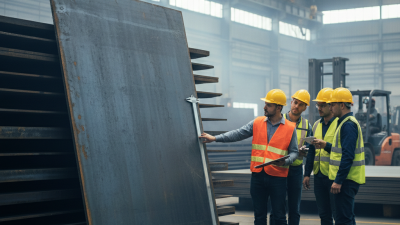
Understanding these certifications can be overwhelming. Each standard has its own requirements and implications. Engaging with industry professionals can aid your assessment. They can provide insights into what specific certifications hold weight in the market. It's often beneficial to visit the factory if possible. It'll give you a chance to witness compliance practices firsthand, mitigating reliance on claims alone.
Choosing a hot-rolled steel plate factory requires careful evaluation of costs. Pricing can vary widely among manufacturers. Understanding your budget is crucial. Analyze the cost per ton and additional fees like shipping. Hidden charges can quickly escalate your expenses.
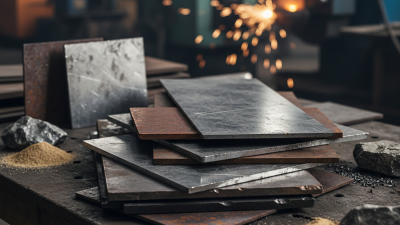
When planning your budget, consider the quality of materials. A lower price may mean lower durability. Invest wisely. Request samples to assess quality before making a large purchase. This helps ensure you aren't misled by enticing low prices.
Additionally, evaluate the factory's reputation. Look for reviews or testimonials from former clients. This provides insights into reliability and service quality. Though it may take time, thorough research is vital. Avoid making rash decisions that could lead to costly mistakes. Reflect on your choices.
| Tip | Description | Cost Considerations | Budgeting Approaches |
|---|---|---|---|
| 1. Evaluate Production Capacity | Assess the factory’s ability to meet your required volume and specifications. | Higher capacity may indicate better pricing per unit. | Estimate total cost based on your demand volume. |
| 2. Check Quality Standards | Ensure the factory adheres to relevant quality certifications. | Quality materials may cost more but reduce long-term expenses. | Allocate budget for quality control measures. |
| 3. Source Locally vs. Internationally | Consider transportation costs and tariffs when sourcing. | Local sourcing may reduce shipping costs. | Include shipping costs in overall budget. |
| 4. Ask for Samples | Request sample materials to assess material quality. | Costs for samples may vary between suppliers. | Consider sample costs in initial budget. |
| 5. Investigate Lead Times | Check production and delivery timelines. | Delays can lead to additional costs. | Plan budgets around lead time requirements. |
| 6. Understand Payment Terms | Clarify terms of payment, such as deposits and net terms. | Payment schedules can impact cash flow. | Budget for cash flow impacts due to payment terms. |
| 7. Assess Customer Service | Evaluate responsiveness and support from the factory. | Poor service can lead to hidden costs. | Include customer service quality in your budget decisions. |
| 8. Verify Environmental Compliance | Ensure the factory complies with environmental regulations. | Non-compliance may lead to fines. | Budget for potential compliance costs. |
| 9. Review Reputation and References | Research the factory’s reputation through reviews and references. | A good reputation often correlates with fewer risks. | Invest time in vetting suppliers. |
| 10. Prepare for Negotiations | Be ready to negotiate terms and prices based on gathered information. | Negotiation can significantly impact costs. | Budget time for discussions and negotiations. |