5 Essential Tips for Choosing the Right Steel Carbon Coil
Choosing the right Steel Carbon Coil can be challenging. Expert John Smith, a recognized figure in the steel industry, once said, "Quality and precision define successful projects." His insight highlights the importance of selecting the right materials.
When considering Steel Carbon Coil, many factors come into play. The correct grade and thickness can significantly impact durability and performance. Different applications require different specifications. For example, automotive components might need more flexible coils, while construction projects demand strength.
Negotiating the balance between cost and quality is another critical aspect. Some buyers fall into the trap of selecting the cheapest option. However, this can lead to costly failures. It's essential to understand the specific needs of your project. Rushing into a purchase can result in regret down the line. Take time to research and consult with experts. A well-informed decision is key to project success.
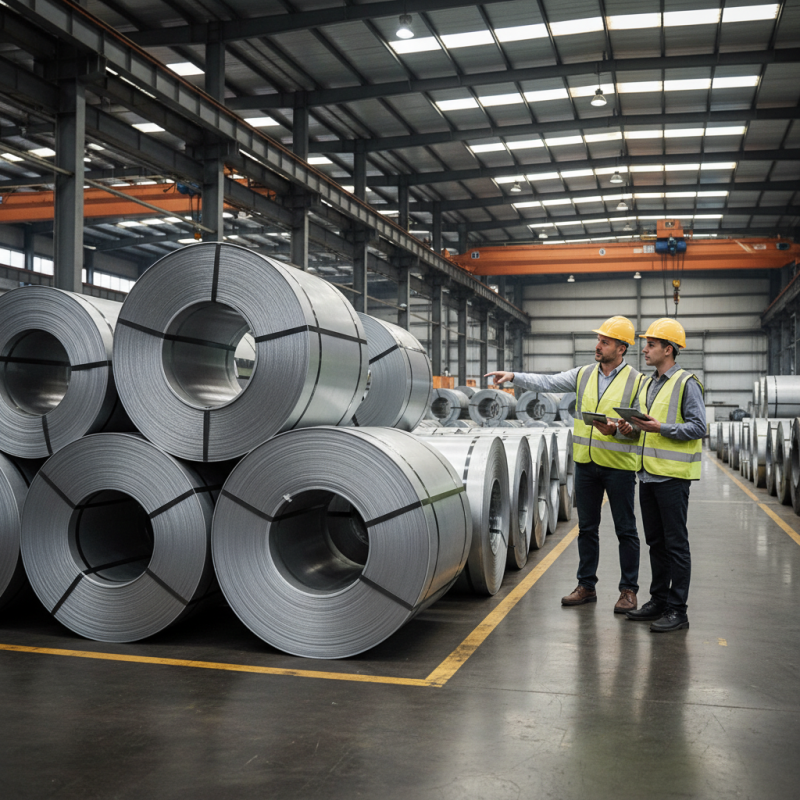
Understanding Steel Carbon Coils and Their Applications
Steel carbon coils are crucial in various industries, particularly in construction and manufacturing. These coils offer high tensile strength and durability. According to a 2022 industry report, the global market for steel coils is projected to surpass 200 million metric tons by 2025. This growth reflects the demand for materials that can endure extreme conditions.
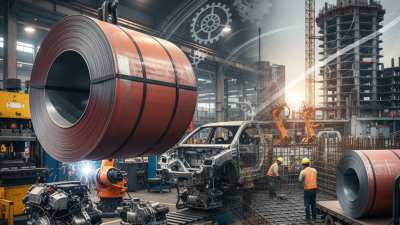
Applications of steel carbon coils extend beyond simple structural use. They are essential in automotive manufacturing, creating parts that require high performance. Many manufacturers prefer these coils for their ability to withstand corrosion and heavy loads. A study noted that using steel coils can enhance productivity by up to 30% in specific sectors. However, not all coils are equal. Factors like thickness and carbon content can affect performance dramatically.
Choosing the right steel carbon coil is not straightforward. Many factors can confuse even seasoned professionals. Misjudging the application needs can lead to costly errors. Recent feedback indicates that more than 25% of projects face delays due to improper material selection. Understanding the specific use-case and environmental conditions is vital for optimal results. Avoiding this can be detrimental to both project timelines and budgets.
Evaluating Different Types of Steel Carbon Coils Available
When evaluating different types of steel carbon coils, begin with the coil's grade. Common grades include low, medium, and high carbon content. Each grade offers unique properties.
Low carbon coils are easily malleable. They are often used in applications requiring bending. Medium and high carbon steels provide better strength and hardness. However, they can be more challenging to work with.
Consider the coil's thickness and width. A thicker coil may offer more strength but could reduce flexibility.
Width affects how the coil fits into your project. A wider coil may cover more area but may also increase costs. Weigh these factors carefully.
It's essential to look into the coil's surface finish, too. Some may have a smooth finish, while others might be rough or even coated.
A smooth surface can enhance aesthetics. However, rough finishes could be beneficial for welding. Reflect on your project’s needs before making a purchase. Remember, the right choice can significantly impact the final outcome.
Key Properties to Consider When Choosing Steel Carbon Coils
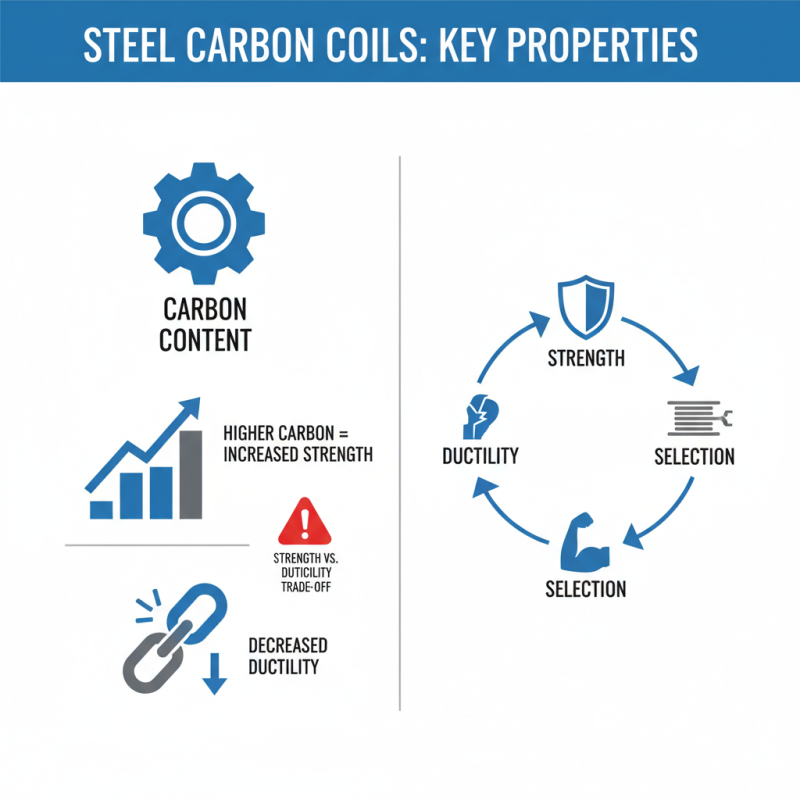
When choosing steel carbon coils, several key properties play a crucial role. First, consider the carbon content. Higher carbon levels can improve strength but may sacrifice ductility. Be mindful of this trade-off when making your selection.
Another important aspect is the coil thickness. Thicker coils provide robustness, but they can be heavier and harder to manipulate. If you need flexibility, opt for a thinner coil. Pay close attention to the specification. Each project may have different requirements, and a mismatch can lead to complications.
Also, don't overlook the coil's surface finish. A smooth finish may reduce friction during processing, enhancing performance. However, it’s essential to reflect on whether this finish meets your project's real demands. Sometimes, the best choice might not be the most attractive one. Consider the environment where the coil will be used. Will it face corrosion? Make sure to address these factors in your decision-making.
Assessing Quality Standards and Certifications for Steel Carbon Coils
When choosing the right steel carbon coil, quality standards matter. Certifications show a product’s reliability. Look for recognized certifications that ensure the material meets industry requirements. This is more than just a formality; it reflects the manufacturing process and the material's integrity.
Tips to remember include inspecting the certification details closely. A genuine, detailed certificate indicates adherence to quality benchmarks. Don't rely only on verbal assurances. Documents matter. Also, consider the source of the steel. Steel from reputable suppliers often undergoes strict quality control.
Be aware that not all certifications are equal. Some may lack credibility. It's essential to research any certification claims. Ask questions about testing procedures. Avoid the tendency to overlook these details. They are crucial for your project's success. Remember, choosing the right steel carbon coil involves diligence and careful evaluation.
5 Essential Tips for Choosing the Right Steel Carbon Coil
Cost Considerations and Supplier Selection for Steel Carbon Coils
When considering steel carbon coils, cost is a crucial factor. Prices can vary significantly among suppliers. Understanding what influences costs helps make a better decision. Look at material grade, thickness, and coil dimensions. These elements will impact the overall price.
Supplier selection can be tricky. Not all suppliers are created equal. A low price can often mean lower quality. Always check supplier reputation. Look for reviews and past customer experiences. Don't hesitate to ask for certifications. These documents can assure you of quality and compliance.
Tips for choosing the right steel carbon coil include assessing your project needs carefully. Match your specifications with suppliers’ offerings. Keep communication open with suppliers. Ask questions and clarify doubts. Remember, sometimes the cheapest option isn't the best. Consider long-term value, not just initial cost. Making informed choices can save time and resources later.



 +86 18865111877