What is Hot Rolled Mild Steel Plate and Its Applications?
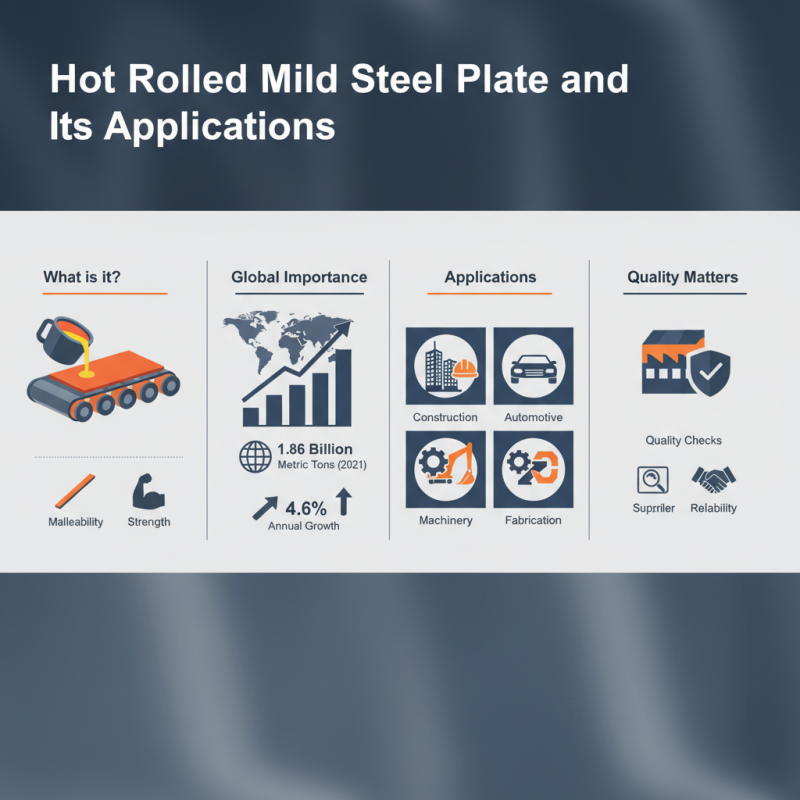
Hot Rolled Mild Steel Plate is an essential material in various industries today. According to the World Steel Association, global steel production reached 1.86 billion metric tons in 2021. Among this, hot rolled mild steel plays a crucial role due to its versatile properties. This steel is known for its excellent malleability, which allows it to be easily shaped and processed for different applications.
In construction, hot rolled mild steel plates are widely used for structural components. They are favored for their strength and durability. These plates also find applications in automotive manufacturing, heavy-duty machinery, and various fabrication processes. A recent market analysis indicates that the demand for hot rolled products is expected to grow by 4.6% annually, emphasizing its importance in modern industries.
Despite its many benefits, the quality of hot rolled mild steel plates can vary. Factors like manufacturing processes and sourcing can affect durability. Therefore, industry professionals must prioritize quality checks and supplier reliability. This focus on quality helps ensure that the steel meets specific needs and standards. Overall, understanding hot rolled mild steel plate applications can enhance industry practices while responding to evolving market demands.
What is Hot Rolled Mild Steel Plate?
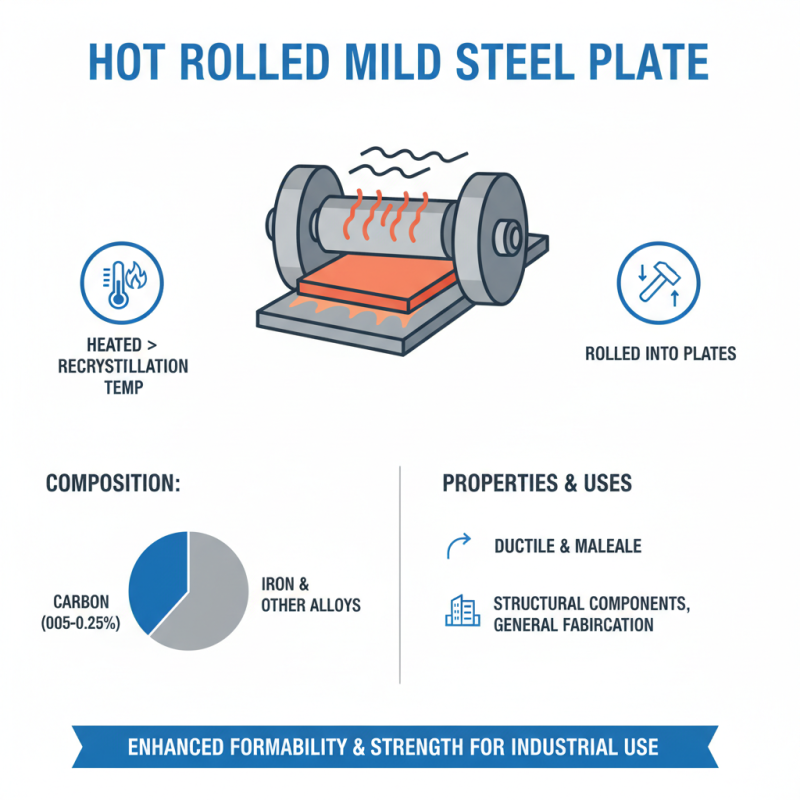
Hot rolled mild steel plate is a type of steel that undergoes a specific manufacturing process. This method involves heating steel above its recrystallization temperature and then rolling it into plates. This process enhances its ductility and malleability. According to industry reports, hot rolled mild steel typically has a carbon content between 0.05% and 0.25%. This composition makes it suitable for various applications, including structural components and general fabrication.
The surface of hot rolled mild steel plates is often rough and less polished. Some industries appreciate this characteristic, as it can aid in processes like welding. The thickness of these plates can vary widely, often ranging from 1.5 mm to 20 mm. However, discrepancies in thickness can sometimes lead to challenges, such as uneven stress distribution in final structures. These potential shortcomings may require engineers to evaluate designs and load specifications meticulously.
Applications of hot rolled mild steel plate are numerous. They are commonly utilized in the construction of buildings, bridges, and heavy machinery. It's important to note that while the material is versatile, it may not always be the ideal choice for environments that require corrosion resistance. As with any material, careful consideration of its properties and limitations is crucial in engineering decisions.
Key Characteristics of Hot Rolled Mild Steel Plates
Hot rolled mild steel plates are essential in various industries. Their characteristics make them a preferred choice for many applications. The manufacturing process involves heating steel above its re-crystallization temperature, which enhances its formability.
One key characteristic is ductility. It allows the steel to bend and stretch without breaking. This feature is especially useful in construction, where flexibility is crucial. Hot rolled plates also exhibit good weldability. This makes them easy to join with other metals, increasing their adaptability in structural applications.
However, quality control is vital. Variations in thickness and surface finish can occur. These imperfections might affect performance in specific projects. Users must assess their requirements carefully. Not all hot rolled plates are suitable for every task. Understanding the strengths and limitations can lead to better choices.
Common Applications in Construction and Engineering
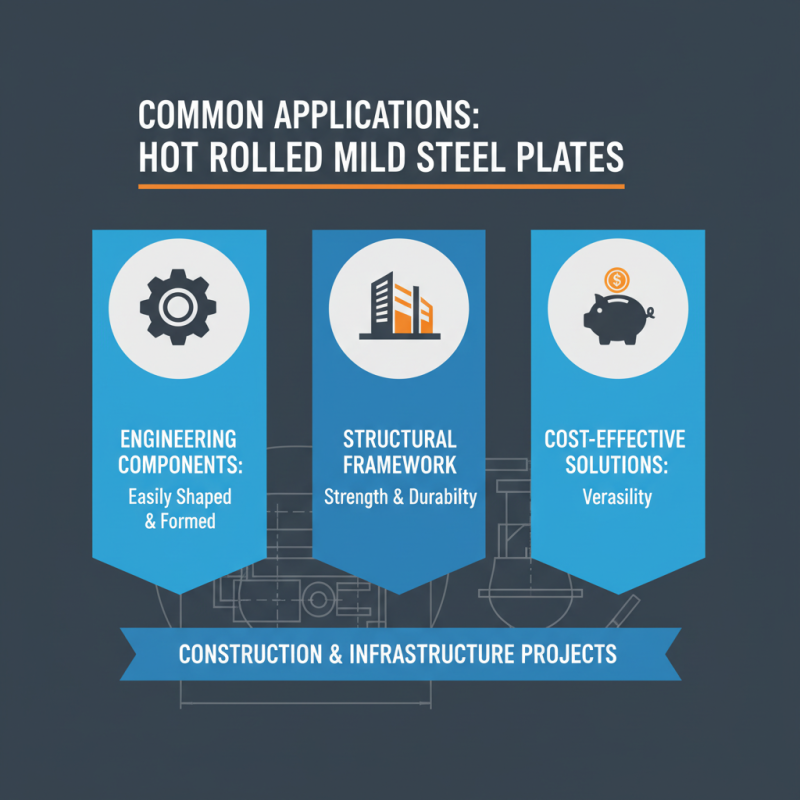
Hot rolled mild steel plates are widely used in construction and engineering due to their versatile properties. These plates are characterized by their ability to be easily shaped and formed, making them ideal for various applications. Their cost-effectiveness and strength also contribute to their popularity in different projects.
In construction, hot rolled mild steel plates are utilized for structural frameworks. Steel beams and columns made from these plates provide the necessary strength to support buildings. They are often used in bridges, warehouses, and industrial facilities. The durability of hot rolled steel helps structures withstand heavy loads and harsh environments.
In engineering, these plates play a critical role in machinery and equipment manufacturing. They are often used in producing components for heavy-duty machinery. However, it's worth noting that the surface finish of hot rolled plates can be uneven. This may require additional processing for specific applications. Overall, the practical uses of these plates highlight their importance, while also presenting challenges that demand careful consideration in engineering design.
Advantages of Hot Rolled Mild Steel over Other Steel Types
Hot rolled mild steel is favored in various industries due to its unique properties. It is manufactured at high temperatures, which enhances its formability. This process provides the steel with a smooth surface finish, making it ideal for projects where aesthetics matter. According to industry reports, hot rolled mild steel offers a yield strength of approximately 250 MPa. This strength makes it easier to shape and weld without compromising durability.
One major advantage of hot rolled mild steel is its cost-effectiveness. Manufacturing this steel requires less energy compared to other processes. Additionally, it has great workability, allowing for quick production of complex shapes and sizes. In construction, it is commonly used for structural components like beams and columns. Its ability to withstand stress makes it a reliable choice in load-bearing applications.
However, there are challenges to consider. While the surface quality is good, it may need further treatment for projects requiring exceptional finishes. The dimensional tolerances of hot rolled mild steel are not as precise as cold rolled steel. Hence, specific applications may need additional processing. These factors require careful evaluation to ensure that hot rolled mild steel meets project requirements effectively.
Industry Standards and Specifications for Mild Steel Plates
Mild steel plates adhere to various industry standards to ensure quality and performance. These standards include ASTM, ISO, and EN specifications. They outline the mechanical properties, chemical composition, and dimensions required for different applications. Knowing these standards is crucial for engineers and manufacturers. It helps them select the right materials for their projects.
Tips: Always check the latest standards. Specifications can change over time. Staying updated ensures your projects meet industry requirements.
Applications of hot rolled mild steel plates are widespread. They are commonly used in construction, shipbuilding, and automotive industries. Plates must meet certain thicknesses and tensile strength for structural integrity. However, not all mild steel plates are equal. Some may lack the specific properties needed for rigorous applications.
Tips: Read the material data sheet carefully. This document provides essential information about the steel's properties. Don’t skip this step; it's vital for safety.
What is Hot Rolled Mild Steel Plate and Its Applications? - Industry Standards and Specifications for Mild Steel Plates
| Specification |
Standard |
Thickness Range (mm) |
Width Range (mm) |
Applications |
| ASTM A36 |
ASTM International |
6 - 200 |
1000 - 3000 |
Construction, Shipbuilding |
| EN 10025 S235JR |
European Standard |
4 - 100 |
600 - 2000 |
Structural Steel, Machinery Parts |
| ASTM A572 Grade 50 |
ASTM International |
6 - 50 |
1000 - 2000 |
High-Strength Structures, Bridges |
| JIS G3101 SS400 |
Japanese Industrial Standard |
5 - 100 |
900 - 2500 |
Construction, General Fabrication |



 +86 18865111877