What to Know About Hot Rolled Steel Carbon Coil Buying?
When purchasing Hot Rolled Steel Carbon Coil, understanding the nuances is essential. Renowned industry expert Dr. Jane Thompson states, “Quality and sourcing are critical when selecting steel coils.” This highlights the importance of reliable suppliers and proper specifications.
Hot Rolled Steel Carbon Coil is widely used in construction and manufacturing. Buyers need to consider thickness, width, and coil weight. These specifications can affect the application and performance of the steel. Familiarity with these details can save significant costs in the long run.
Choosing the right coil is not just about price. It involves understanding the market and suppliers. There can be challenges in sourcing high-quality materials. Some manufacturers may not meet the expected standards. Buyers should conduct thorough research before making decisions. A well-informed choice leads to better project outcomes.
Understanding Hot Rolled Steel Carbon Coils: An Overview
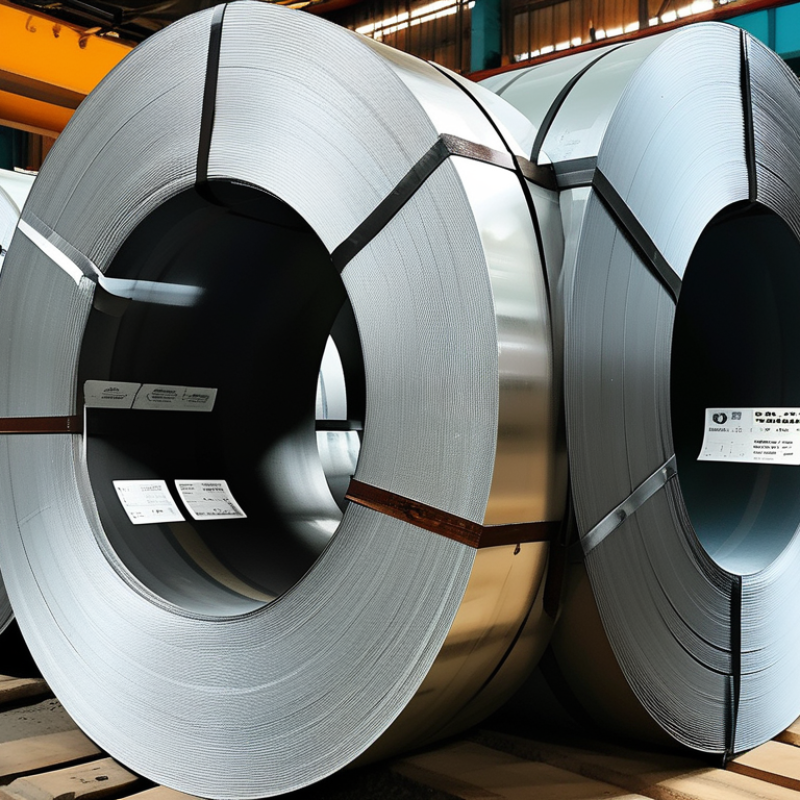
Understanding hot rolled steel carbon coils is vital for various industries, including
manufacturing and construction. These coils are produced by heating steel
above its recrystallization temperature, making them easier to shape and form. According to the World Steel Association, hot rolled steel
accounts for nearly 80% of the global steel production. This highlights its importance in the market.
When purchasing hot rolled steel carbon coils, it’s important to consider the specifications that meet your project needs. The thickness, width, and weight
vary significantly, which affects the usability. The American Society for Testing and Materials (ASTM) sets standards that can guide buyers
in selecting the right product. Many suppliers may offer generic data; scrutinizing the specific grades and applications will save you
time and money.
Tips: Always request material certification to validate quality. Checking the certifications helps
ensure adherence to industry standards. Engaging with an experienced supplier can make a difference. Be open
to feedback, as not all suppliers will meet your expectations, and re-evaluating your options can lead to better choices. Understanding the
variability in coil dimensions is also crucial. This variability can impact your production processes significantly, so plan accordingly.
Key Factors to Consider When Purchasing Hot Rolled Steel Carbon Coils
When buying hot rolled steel carbon coils, several key factors come into play.
Understanding the specifications is crucial. Look at thickness, width, and weight.
These attributes affect the final use. Ensure that you consider the coil's mechanical properties as well.
Yield strength and tensile strength dictate how the steel will perform under stress.
Another critical factor is the source of the material.
Research potential suppliers thoroughly. Verify their operational history and customer feedback. Reliable providers will often offer
certifications for their products. This adds a layer of assurance regarding quality. Be aware, though, that not all suppliers uphold
the same standards. Some may provide inconsistent quality or unclear specifications.
Pricing deserves careful evaluation as well. Low prices can be tempting but may signal
compromise on quality. Comparing costs can help, yet you should factor in shipping and handling too.
Take time to reflect on your needs versus your budget. Blind focus on cost can lead to regrettable decisions, impacting the project
in the long run. Every aspect matters, from sourcing to specifications.
Attention to these details will enhance your procurement strategy.
Different Grades and Specifications of Hot Rolled Steel Carbon Coils
When buying hot rolled steel carbon coils, it's essential to understand their grades and specifications. Different grades refer to the chemical composition and physical properties of the steel. Common grades include A36, A572, and A1011. Each grade offers unique attributes, which can affect performance in specific applications. For instance, A36 is versatile and widely used in construction, while A572 is favored for its higher strength.
Specifications are important too. They involve thickness, width, and weight of the coil. Hot rolled coils come in various thicknesses, typically ranging from 1/8 inch to 1 inch. The weight of the coil can influence transportation costs. It's also crucial to consider industry standards, such as ASTM and EN, which ensure quality. However, it can be challenging to navigate these standards due to their complexity. Collecting reliable information before purchasing is vital.
Additionally, reviewing supplier credentials can help. Not all suppliers are equal in terms of quality and service. Some may lack adequate certifications. Therefore, conducting thorough research is necessary. Seek recommendations and inquire about their product history. Trustworthy suppliers often provide transparent details on their material properties, making the buying process easier.
Common Applications and Uses of Hot Rolled Steel Carbon Coils
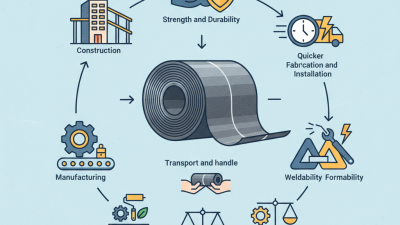
Hot rolled steel carbon coils are widely used in various industries. Their unique properties make them a top choice for construction and manufacturing. These coils are often found in structural applications, automotive components, and machinery parts. The process of hot rolling enhances their strength and flexibility. This means they can endure tough conditions without compromising integrity.
When considering hot rolled steel carbon coils for your projects, understanding their applications is vital. They are commonly used in making beams, channels, and plates. Their durability makes them ideal for creating frames and supports in buildings. Additionally, they are essential in producing automotive parts, where strength and weight are crucial. However, not every application may suit hot rolled coils. It's important to evaluate specific project requirements.
**Tips for Buying Hot Rolled Steel Carbon Coils:**
1. Assess the thickness and width needed for your project before making a purchase.
2. Consider the specific grade of steel, as it influences performance.
3. Always check for certifications and quality assurance to ensure reliability.
Hot rolled steel carbon coils might have some imperfections. Surface finish could vary, impacting aesthetics. Reflecting on these aspects can guide better purchasing decisions.
Common Applications of Hot Rolled Steel Carbon Coils
Tips for Sourcing and Negotiating Hot Rolled Steel Carbon Coil Prices
When sourcing hot rolled steel carbon coils, it is essential to understand the pricing dynamics. Prices can vary widely based on market demand, supplier relationships, and material quality. Engaging with multiple suppliers provides leverage. Don’t settle for the first quote. Compare prices, but also consider the additional services offered. Some suppliers may include shipping or cutting, which could affect the overall cost.
Negotiating effectively requires preparation. Know the market trends and prices for hot rolled steel. Have a clear idea of your needs. This clarity allows you to articulate your requirements and push for a better deal. Be open about your budget. Suppliers appreciate an honest dialogue. They may propose alternatives that fit your financial constraints.
Building a relationship with your supplier can lead to better deals over time. Frequent communication fosters trust. However, be aware that not every negotiation will yield the desired outcome. Sometimes, a deal may fall through due to unrealistic expectations on either side. Reflecting on these experiences is crucial. Each negotiation offers lessons for the future, helping to refine your approach and strategy over time.




 +86 18865111877