What is Hot Rolled Steel In Coils Benefits and Uses?
Hot Rolled Steel In Coils has become an essential raw material in numerous industries. According to the World Steel Association, the global production of hot-rolled steel reached over 1.5 billion tons in 2022. This product is favored for its versatility and cost-effectiveness. John Smith, a renowned metallurgical expert, once stated, "Hot rolled steel in coils is the backbone of modern construction and manufacturing."
The benefits of hot rolled steel in coils include improved workability and reduced production costs. This makes it a preferred choice in automotive, construction, and appliance manufacturing. The coil form allows for efficient transportation and minimizes waste during processing. Recent trends show a growing demand for this steel, driven by expanding infrastructure projects globally.
However, challenges remain in quality control and market fluctuations. Manufacturers must navigate variations in quality and pricing pressures. Continuous enhancements in production techniques will be vital for future growth. The dialogue surrounding hot rolled steel in coils needs to evolve with these industry demands, ensuring that it meets both market needs and standards.
Definition of Hot Rolled Steel in Coils
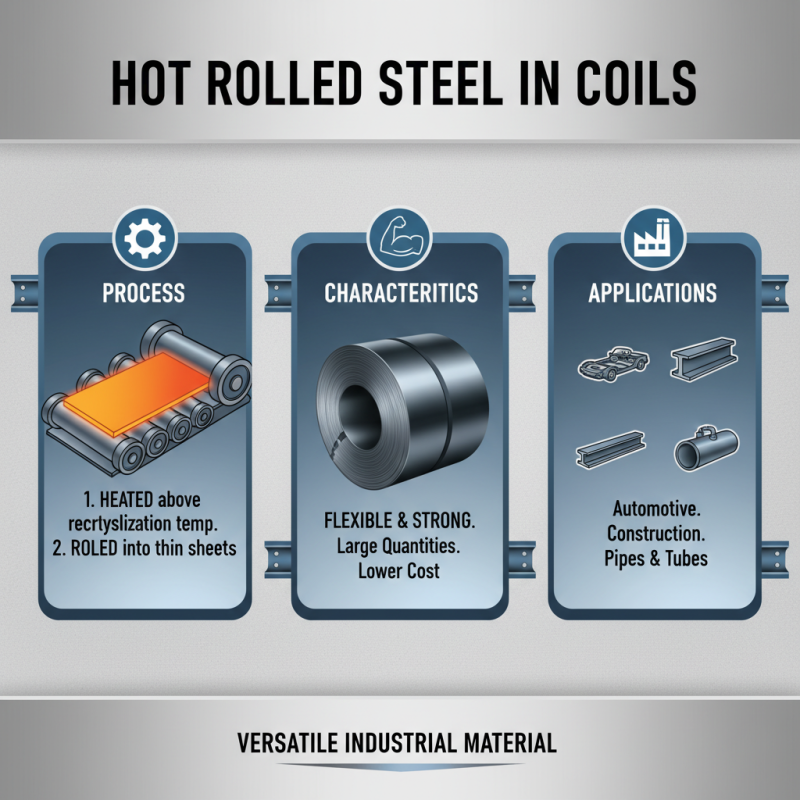
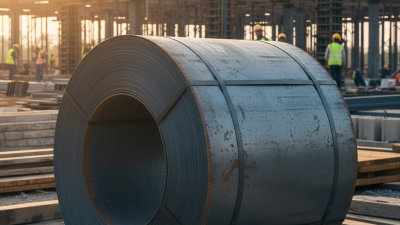
Hot rolled steel in coils is a widely used material in various industries. It is manufactured through a process where steel is heated above its recrystallization temperature and rolled into thin sheets. This process allows for the production of large quantities at a lower cost. The result is a flexible and strong product that is beneficial for many applications.
One key feature of hot rolled steel in coils is its malleability. This property enables easy shaping and forming, making it ideal for construction and manufacturing industries. Additionally, the surface finish of hot rolled steel is often less refined. This can lead to imperfections that may require further processing, depending on the application. Despite these flaws, many industries value hot rolled steel for its strength and versatility.
Applications of hot rolled steel are diverse. It’s commonly used in the automotive industry for parts and frames. Construction companies utilize it for structural beams and rebar. The energy sector leverages hot rolled steel for pipelines and machinery. However, it’s important to reflect on the environmental impact of steel production. As demand rises, so does the need for more sustainable practices within the industry.
Manufacturing Process of Hot Rolled Steel Coils
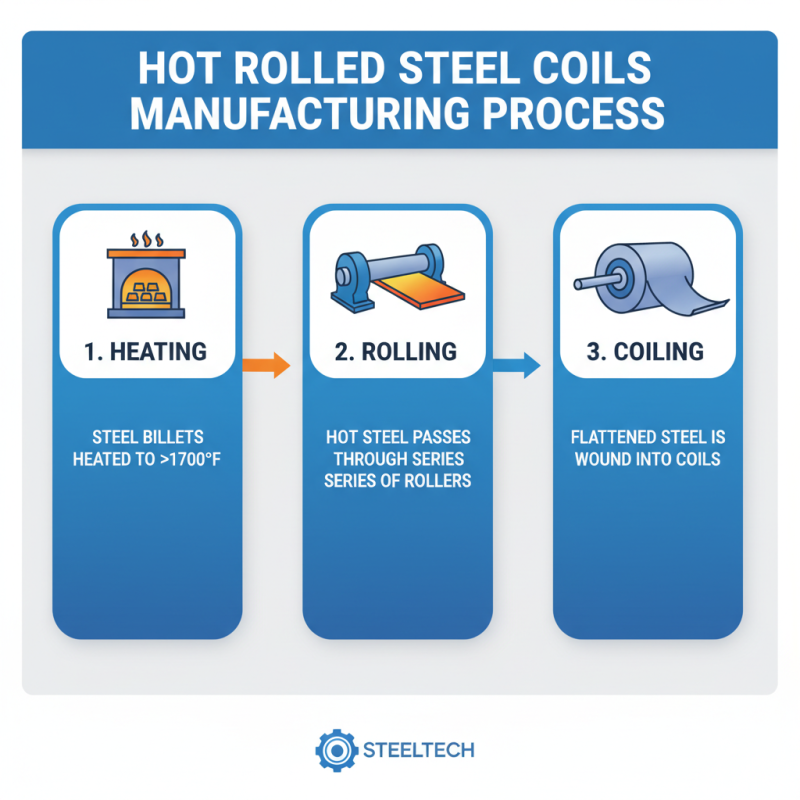
The manufacturing process of hot rolled steel coils involves several critical steps. The process begins with heating the steel billets to high temperatures, often exceeding 1,700 degrees Fahrenheit. This intense heat makes the steel more malleable and easier to form. Once the billets reach the correct temperature, they are passed through a series of rollers.
These rollers gradually shape the steel into thin, flat sheets. This part of the process can produce varying thicknesses. The cooled coils are then cut to desired lengths. This method of production is efficient and allows for a wide range of sizes and specifications. It’s an essential step in creating materials for numerous industries.
Despite its advantages, the hot rolling process isn't without challenges. Maintaining consistent quality can be difficult due to temperature variations and material inconsistencies. Some coils may require additional processing, such as pickling, to remove oxides and scales, which can add time and cost. Understanding these nuances is crucial for maximizing the benefits of hot rolled steel coils in manufacturing.
Key Benefits of Using Hot Rolled Steel Coils
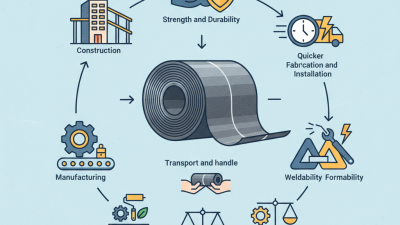
Hot rolled steel coils offer numerous advantages that make them a popular choice in various industries. One of the key benefits is their affordability. The manufacturing process for hot rolled steel is cost-effective, which results in lower prices for consumers. This makes hot rolled steel an attractive option for large-scale projects where budget constraints are critical.
Another significant advantage is the versatility of hot rolled steel. It can be easily shaped and formed, making it suitable for construction, automotive, and manufacturing applications. The material maintains a robust structure while allowing for modifications. This adaptability is invaluable for engineers and designers who seek to create innovative solutions. However, its surface finish may not be as refined as cold-rolled steel, which requires consideration during project planning.
Hot rolled steel coils also have good weldability. This property facilitates seamless connections in structures, ensuring durability and longevity. While these benefits are prominent, some projects may demand more precise tolerances or surface finishes found in other materials. Reflecting on these trade-offs is essential for selecting the right steel type for your needs.
Common Applications of Hot Rolled Steel in Various Industries
Hot rolled steel in coils is widely utilized across various industries due to its versatility and cost-effectiveness. In construction, it serves as structural beams, helping build skyscrapers and bridges. Its strength ensures stability and durability, making it a favorite among engineers. Additionally, hot rolled steel is often used in manufacturing automotive parts. Components like frames and body panels are often made from this material to enhance vehicle performance.
In the energy sector, hot rolled steel finds applications in pipelines and storage tanks. Its resistance to extreme temperatures and pressures ensures safe transport of oil and gas. Furthermore, the agriculture industry uses hot rolled steel for fabricating equipment like plows and harrows. This aids in improving productivity and efficiency on farms.
Tip: When choosing hot rolled steel for your projects, consider its adaptability to different temperatures and environments.
Another area where hot rolled steel excels is in appliance manufacturing. From kitchen equipment to industrial machines, it plays a vital role. Its formability allows for the mass production of complex shapes and designs. Yet, not all applications may guarantee long-term performance. In some cases, corrosion resistance should be a primary concern.
Tip: Always assess your project's specific needs. Quality of hot rolled steel can vary, impacting its final use.
Comparative Analysis: Hot Rolled vs. Cold Rolled Steel Coils
Hot rolled steel coils are significant in various industries due to their unique properties and cost-effectiveness. Compared to cold rolled steel, hot rolled steel is processed at high temperatures, typically above 1,700°F. This method allows for easier shaping and forming, resulting in a highly malleable product. According to the World Steel Association, hot rolled steel accounts for approximately 60% of total steel production globally. Its thicker dimensions and reduced internal stresses make it suitable for large structures, vehicles, and machinery parts.
Cold rolled steel, on the other hand, undergoes processes at room temperature. This results in a smoother surface and tighter tolerances, enhancing its use in precise applications. However, it often comes at a higher cost due to additional processing. Reports suggest that cold rolled steel prices can exceed hot rolled counterparts by up to 20%. While cold rolled steel is preferred for automotive and appliance manufacturing, hot rolled caters to structural applications. Each type has its advantages, and the choice may depend on specific project requirements and budgets.
Industry trends show that hot rolled steel's demand is forecasted to grow due to infrastructural projects. Yet, challenges remain, particularly related to steel's environmental impact. As sustainability practices evolve, industries must balance cost, quality, and eco-friendliness in their steel choices.
What is Hot Rolled Steel In Coils Benefits and Uses? - Comparative Analysis: Hot Rolled vs. Cold Rolled Steel Coils
| Property |
Hot Rolled Steel Coils |
Cold Rolled Steel Coils |
| Thickness Range |
3mm - 25mm |
0.2mm - 6mm |
| Surface Finish |
Scaly, rough |
Smooth, shiny |
| Usage |
Structural parts, frames, and large components |
Automotive bodies, appliances, and precise fabrications |
| Mechanical Properties |
Lower tensile strength and less uniform |
Higher tensile strength and more uniform dimensions |
| Cost |
Generally lower |
Generally higher |
| Use in Fabrication |
Easier to shape for structural uses |
Preferred for intricate shapes |



 +86 18865111877