Hot Rolled Steel Plate Carbon Tips for Optimal Use and Selection?
Hot Rolled Steel Plate Carbon is essential in various industries. Proper selection ensures optimal performance and longevity. Recent reports from the World Steel Association indicate that the demand for hot rolled steel has grown by 5% annually over the last five years. This growth highlights its importance in construction, automotive, and manufacturing sectors.
Understanding its properties is crucial. Hot rolled steel plates offer excellent malleability and weldability. These characteristics make them ideal for complex structures. However, not all products meet the same standards. Some steel plates may lack the necessary strength or resistance to corrosion. It's important to pay attention to these details when making a selection, as they can significantly impact the final product.
Choosing the right supplier is equally important. Reputable manufacturers abide by strict quality controls and standards. Their expertise ensures that customers receive reliable products. However, not all suppliers maintain such credibility. Buyers must conduct thorough research to identify trustworthy sources. By being diligent, users can avoid pitfalls and ensure their projects achieve the desired outcomes.
Hot Rolled Steel Plate: Definition and Characteristics
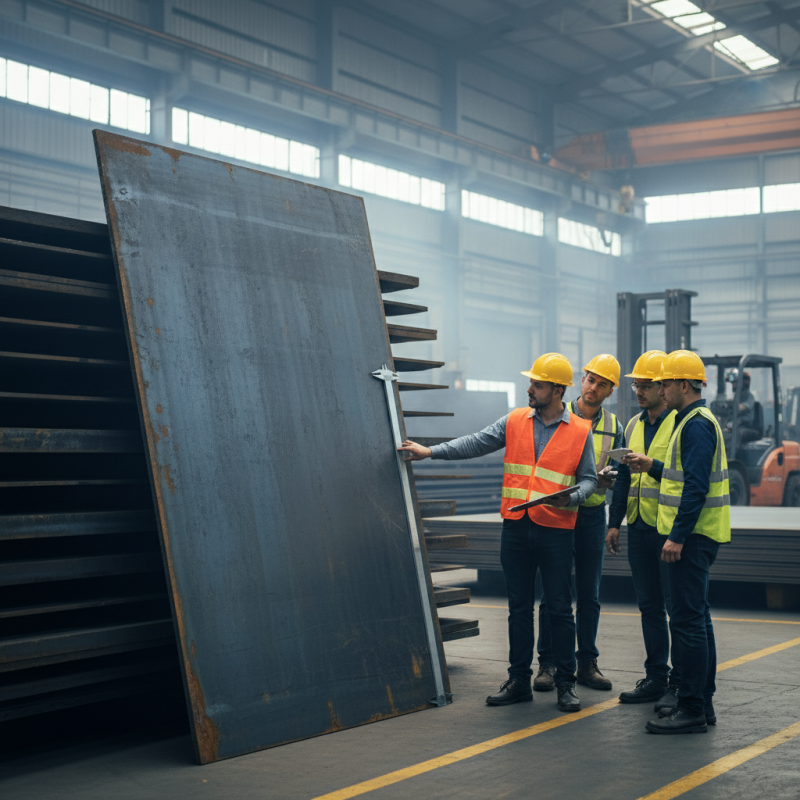
Hot rolled steel plates are fundamental materials in various industries. They are produced by rolling steel at high temperatures, usually above the recrystallization temperature. This process improves ductility, enabling the plates to be shaped and formed easily. These plates exhibit a rough surface finish and may have slight dimensional variations.
The characteristics of hot rolled steel plates include high strength and good machinability. However, their high levels of residual stress can lead to distortion during machining or welding. It's crucial to consider the environment in which these plates will be used. For example, exposure to moisture can lead to rust. Thus, effective storage and preventive measures are necessary to maintain their integrity. Understanding these details can significantly influence the selection process for specific applications in construction and manufacturing.
Importance of Carbon Content in Hot Rolled Steel Plates
In hot rolled steel plates, carbon content plays a critical role. It directly influences strength, ductility, and weldability. Carbon levels typically range from 0.05% to 0.30% in these plates. A low carbon content enhances formability. However, this may also reduce overall strength. Higher carbon levels enhance hardness and tensile strength, but at the cost of ductility.
Industry reports indicate that carbon content above 0.3% significantly alters the mechanical properties of steel. It can lead to increased brittleness, making steel challenging to work with. This is where careful consideration is needed. Balancing carbon content can be tricky. Particularly in structural applications, too much carbon can lead to failure during fabrication processes.
Understanding the specific requirements of a project is essential. For example, construction and automotive applications often require different carbon levels. Guidelines suggest selecting lower carbon steels for welding applications. Conversely, high carbon steels are often reserved for high-strength components. In summary, making informed selections based on carbon content ensures optimal performance in hot rolled steel plates.
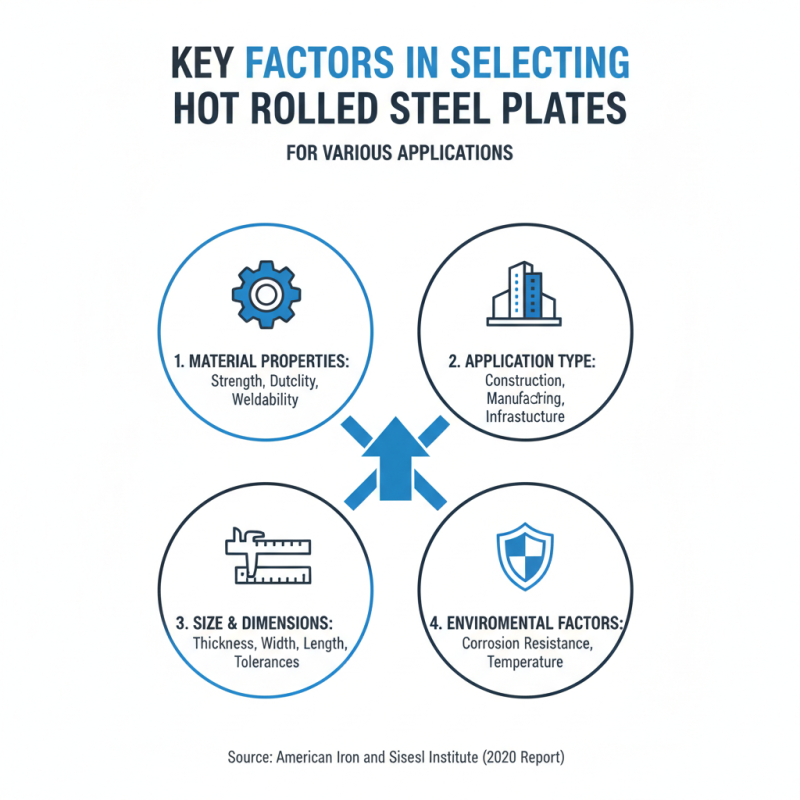
Key Factors in Selecting Hot Rolled Steel Plates for Various Applications
When selecting hot rolled steel plates, understanding their properties is crucial. Hot rolled steel plates are widely used in construction and manufacturing due to their strength and versatility. According to a report from the American Iron and Steel Institute, over 83 million tons of hot rolled steel were produced in 2020 alone. This indicates the material's importance in various applications.
Thickness, width, and surface finish are key factors when choosing plates. Thicker plates provide greater strength and durability, ideal for heavy machinery and structural components. In contrast, thinner plates may be more suitable for general fabrication tasks. A study by the World Steel Association highlights that the right thickness can increase load-bearing capacity by up to 30%. However, improper selection may lead to excessive weight and costs.
Additionally, consider how surface finish affects performance. Plates with a smoother finish can have better weldability, but the trade-off may be a higher cost. According to industry estimates, a finish change can affect the price by approximately 5-10%. Buyers often overlook these details, reflecting a gap in their understanding. Balancing specifications with budget constraints requires a deep understanding of materials and their applications.
Optimal Thickness and Width Specifications for Hot Rolled Steel Plates
When selecting hot rolled steel plates, thickness and width specifications play a crucial role. Optimal thickness ranges from 3mm to 100mm. Thicker plates provide better durability and strength, making them ideal for heavy-duty applications. However, they can be harder to work with and more expensive. For lighter applications, plates below 10mm may suffice. Often, users overlook the specific requirements of their projects. This can lead to inefficient material usage or unexpected project delays.
Width specifications are equally important. Common widths include 1,000mm and 1,250mm. The choice may depend on the fabrication process. For example, a wider plate can reduce waste during cutting. On the flip side, narrower plates might be easier to transport and store. Proper consideration of these factors can avoid wasted resources. Not all projects are straightforward, and unexpected issues may arise. Users need to remain flexible and ready to adapt to changes. Balancing the needs of a project with available materials can be challenging. This requires experience and practical judgment for effective outcomes.
Hot Rolled Steel Plate Carbon Tips for Optimal Use and Selection
| Specification |
Thickness (mm) |
Width (mm) |
Length (mm) |
Weight (kg/m²) |
Carbon Content (%) |
| Type A |
5 |
2000 |
6000 |
39.24 |
0.20 |
| Type B |
10 |
2500 |
8000 |
78.54 |
0.25 |
| Type C |
15 |
3000 |
10000 |
117.81 |
0.30 |
| Type D |
20 |
3500 |
12000 |
156.78 |
0.35 |
Best Practices for Maintenance and Storage of Hot Rolled Steel Plates
Proper maintenance and storage of hot rolled steel plates are crucial for their longevity. Begin by ensuring that the storage area is clean and dry. Moisture can lead to rust, which compromises the steel's integrity. Use tarps or covers when necessary to protect the plates from the elements. An organized storage system will help you quickly access the plates without causing damage.
Regular inspection of the hot rolled steel is essential. Look for signs of rust, dents, or warping. Address any issues immediately to prevent further deterioration. Mark and separate plates according to their condition. This approach aids in tracking which plates need maintenance or replacement.
Furthermore, avoid stacking plates too high. This can cause bending or distortion. Implement proper lifting techniques when moving the plates to prevent injuries and maintain their shape. Some loss in quality may occur if handling is careless. Keep records of maintenance activities to establish a routine. Consistent care will yield better performance in applications.
Hot Rolled Steel Plate Carbon Tips for Optimal Use and Selection
This bar chart illustrates the tensile strength of different grades of hot rolled steel plates. Understanding the varying strengths can assist in making informed selection choices for specific applications.





 +86 18865111877