What is Steel Carbon Coil and its Applications in Industry?
Steel Carbon Coil is a crucial material in various industries. Its unique properties, such as strength and flexibility, make it highly versatile. This type of coil is made from carbon steel, which consists of iron and carbon. The amount of carbon affects the coil's characteristics, leading to different grades for specific applications.
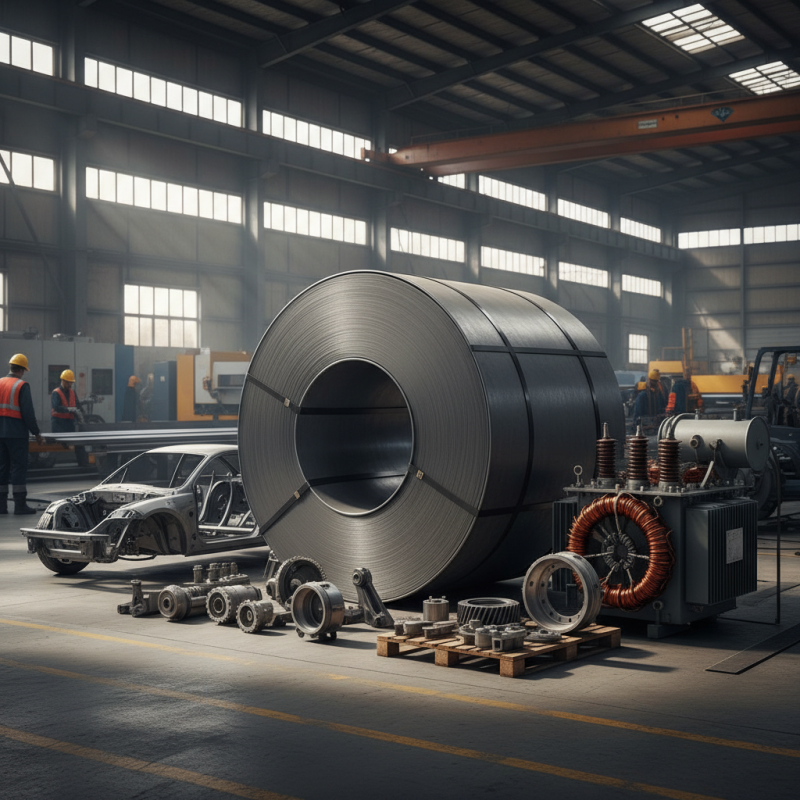
In construction, Steel Carbon Coil is used for structural components. It beams, columns, and reinforcements are integral to buildings and bridges. In manufacturing, these coils are essential in producing automotive parts. Their durability ensures safety and reliability in high-performance vehicles. Additionally, the electrical industry utilizes these coils in transformers and other equipment.
Despite its advantages, challenges exist in the use of Steel Carbon Coil. Variations in carbon content can affect overall performance. Manufacturers must ensure quality control to mitigate these issues. Understanding the characteristics and applications of Steel Carbon Coil is vital for industries. It helps in making informed decisions and improving product performance.
What is Steel Carbon Coil?
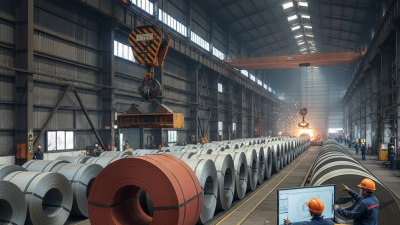
Steel carbon coil is a versatile material used in various industries. It is made by combining carbon with iron, resulting in a strong and durable product. This coil comes in different thicknesses and widths, suitable for specific applications. Its strength-to-weight ratio makes it ideal for structural applications. The manufacturing process involves rolling steel sheets into coils, which streamlines transport and handling.
One notable application of steel carbon coil is in the automotive industry. It is used for making car bodies, ensuring safety and durability. Another application is in construction. Steel carbon coils are employed for framing and roofing materials. They offer resilience against harsh environmental conditions. However, there can be challenges in sourcing high-quality coils. Manufacturers must maintain strict quality controls to ensure consistency in strength and performance.
While the uses of steel carbon coil are significant, it’s essential to consider sustainable practices in its production. The environmental impact of steel manufacturing is a concern that needs addressing. Evaluating the full lifecycle of steel products can lead to better decisions in sourcing and usage. Understanding these dynamics is crucial for industries relying on steel carbon coils.
Manufacturing Process of Steel Carbon Coil
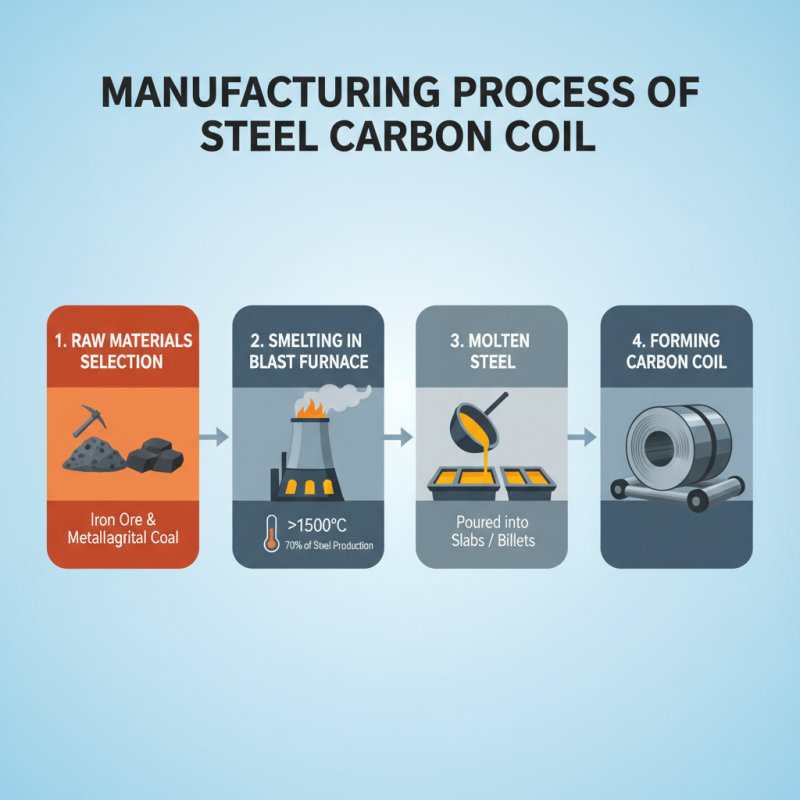
The manufacturing process of steel carbon coil begins with the selection of raw materials. High-quality iron ore and metallurgical coal are essential. These materials undergo smelting in blast furnaces at extreme temperatures, often exceeding 1,500 degrees Celsius. According to industry reports, about 70% of steel production involves blast furnaces. After this, molten steel is poured into slabs or billets.
Next, the process of hot rolling takes place. The slabs are heated further and passed through rollers, reducing their thickness. This step transforms the slabs into coils, which can be several tons in weight. The final product, steel carbon coil, is often measured by its carbon content, typically ranging from 0.05% to 2.0%. This variation significantly affects its strength and flexibility, impacting its suitability for various applications.
Coils undergo cold rolling for added precision. This method refines the dimensions and surface finish. Despite advancements, challenges persist, such as controlling the thickness variations. Managing these inconsistencies is crucial for quality assurance. Industry analysis highlights that even a small deviation can lead to significant issues in downstream applications, emphasizing the need for continuous improvement in manufacturing strategies.
Properties of Steel Carbon Coil
Steel carbon coils are essential in various industries due to their unique properties. These coils, made primarily from steel with carbon content, have impressive tensile strength. This allows them to withstand significant stress during manufacturing processes. Their versatility makes them suitable for diverse applications, ranging from automotive parts to construction materials.
One notable property of steel carbon coils is their ability to be easily shaped and formed. This flexibility can lead to challenges during production if not managed correctly. Sometimes, improper handling may cause deformation, affecting end-use quality. Additionally, the corrosion resistance of these coils varies based on carbon content. Higher carbon content may enhance strength but can reduce resistance to rust. Finding the right balance is crucial for durability in demanding environments.
Steel carbon coils also undergo different treatments to enhance performance. Heat treatment alters their microstructure, improving properties like hardness. However, inconsistencies in this process can lead to unpredictable results. Companies must invest time in testing to ensure product reliability. The industry’s standards are high, so continuous learning and adaptation are required to meet demands.
Common Applications of Steel Carbon Coil in Industry
Steel carbon coils are essential in many industrial applications. Their high strength and versatility make them a preferred choice in various sectors. These coils are made up of a combination of iron and carbon, providing robust properties for different uses. They are often used in construction, automotive, and manufacturing industries.
In construction, steel carbon coils are utilized for reinforcements in concrete structures. They enhance the durability and load-bearing capacity of buildings. In the automotive industry, these coils are used to produce parts like frames, panels, and body structures. The lightweight yet strong nature of these materials contributes to improved fuel efficiency and safety. Additionally, in manufacturing, coils serve as raw materials for producing components in appliances and machinery.
Despite their advantages, challenges exist. Quality control can sometimes be an issue. Variations in carbon content may affect the mechanical properties of the coils. Manufacturers often need to ensure strict adherence to specifications. Overall, steel carbon coils play a significant role in modern industry, but continuous efforts are required for quality optimization.
Applications of Steel Carbon Coil in Industry
Advantages of Using Steel Carbon Coil in Manufacturing
Steel carbon coil is a versatile material in the manufacturing sector.
Its sturdy composition makes it suitable for various applications, from automotive components to construction materials.
Many industries benefit from its ability to resist deformation under stress.
One major advantage of steel carbon coil is its cost-effectiveness.
Manufacturers can produce large volumes without compromising on quality. This material often requires less energy during processing,
reducing operational costs. Furthermore, steel carbon coil is customizable.
Adjusting the carbon content changes its strength and flexibility, allowing manufacturers to meet specific project requirements.
Another critical aspect is its durability.
Steel carbon coil resists wear and tear, leading to extended product life.
However, its environmental impact raises questions. While it’s recyclable, the production process can be energy-intensive.
Manufacturers must find ways to minimize this footprint.
Taking steps towards more sustainable practices can enhance their reputation while benefiting the planet.
Balancing cost-efficiency with environmental responsibility is an ongoing challenge.




 +86 18865111877