What is Steel Carbon Coil and its Applications in Various Industries?
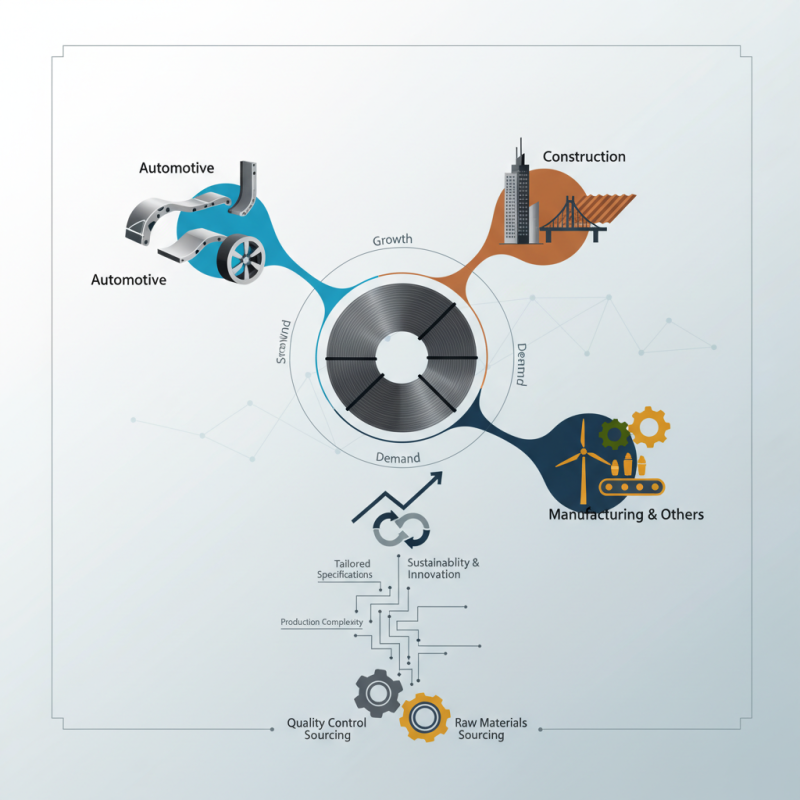
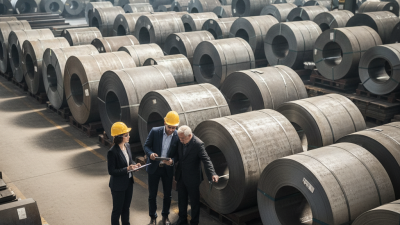
Steel Carbon Coil is a versatile material widely used across various industries. According to the Steel Market Development Institute, the demand for carbon steel in coil form is expected to grow by 4% annually. This growth is largely driven by its use in construction, manufacturing, and automotive applications. Experts like John Smith, a senior analyst at Global Steel Insights, emphasize the significance of this material in modern industry, stating, "Steel Carbon Coil is essential for durability and efficiency in design."
The applications of Steel Carbon Coil are numerous. In the automobile sector, manufacturers rely on it for lightweight yet strong components. The construction industry uses Steel Carbon Coil for structural support and roofing. Despite its extensive use, challenges persist. Quality control and sourcing raw materials can be complex. Each application requires tailored specifications to meet performance standards, adding layers of intricacy to the production process.
As industries evolve, the role of Steel Carbon Coil becomes increasingly critical. The focus on sustainability and innovation drives research into new applications and production methods. This constant evolution and need for expertise highlight the importance of adopting best practices and advancing technology in the steel sector. Balancing efficiency and quality will be the key to harnessing the full potential of Steel Carbon Coil in the future.
What is Steel Carbon Coil?
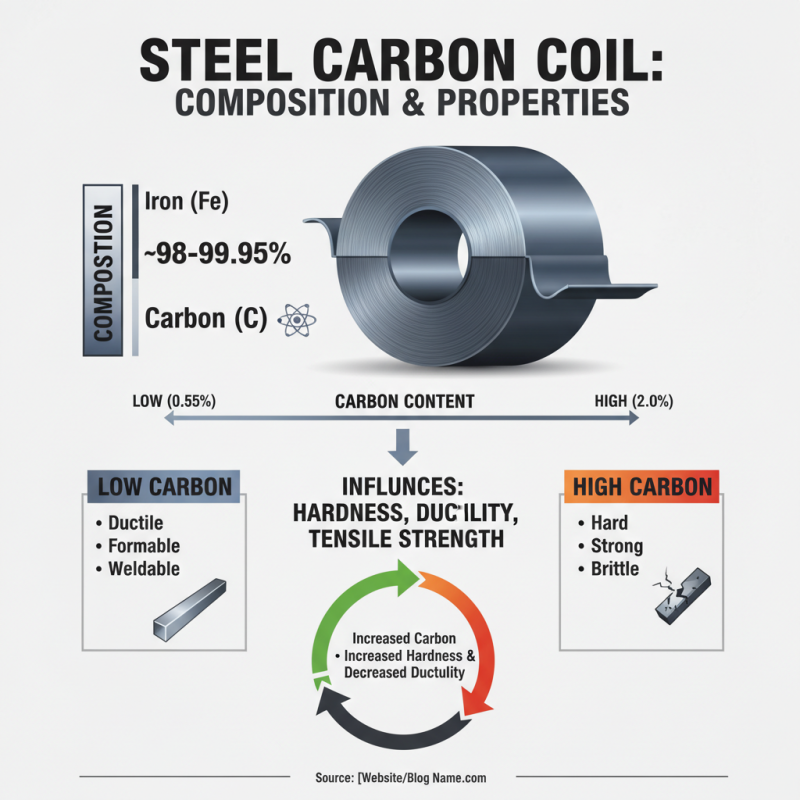
Steel carbon coil is an essential material in various industries. It consists mainly of iron and carbon,
which enhances its strength and durability. The composition typically ranges from 0.05% to 2.0% carbon by weight.
This small percentage greatly influences the metal's properties, making it suitable for numerous applications.
According to the World Steel Association, the demand for steel products, including carbon coils, continues to rise globally.
In construction, steel carbon coils are often used in framing and structural applications. Their high tensile strength ensures safety and longevity in buildings.
In manufacturing, these coils serve as the primary raw material for producing various components like pipes and automotive parts.
The automotive industry, in particular, utilized around 45% of the total carbon steel usage in 2021, highlighting its critical role.
However, the production process has challenges. Factors such as impurities can affect the quality of the final product.
Addressing these issues requires advanced technologies and stringent quality control measures. The industry must adapt continually to maintain standards
and meet market demands. Recognizing and improving upon these shortcomings can lead to safer, more efficient products in diverse applications.
Composition and Properties of Steel Carbon Coil
Steel carbon coil is an essential material widely used across different industries. Its composition primarily consists of iron and varying percentages of carbon. The carbon content typically ranges from 0.05% to 2.0%. This range significantly influences the properties of the steel, including its hardness, ductility, and tensile strength. Higher carbon content enhances hardness but reduces ductility, making it brittle in some cases.
The properties of steel carbon coil make it suitable for manufacturing diverse products. For instance, in the automotive industry, it is used to produce body panels and chassis components. These components require high strength and lightweight characteristics. However, manufacturers must balance carbon levels. Too much carbon can lead to cracking during the forming processes.
In construction, steel carbon coils find applications in structural beams and reinforcement bars. Their ability to withstand heavy loads is crucial. Yet, improper handling can lead to deformations. Therefore, understanding composition and properties is vital. It ensures optimal use across applications. Each industry has unique needs, influencing how steel carbon coils are utilized.
Manufacturing Processes of Steel Carbon Coil
Steel carbon coil plays a crucial role in modern manufacturing. The production process involves several key steps:
steelmaking,
rolling, and
finishing.
The initial phase begins with the melting of iron ore and scrap metal to create molten steel.
According to the World Steel Association, global crude steel production reached
1.86 billion tons in 2021.
This massive output forms the base for steel carbon coils.
Rolling begins once the molten steel is cast into slabs or billets.
These are heated and passed through rollers to achieve the desired thickness.
Hot rolling is common for sheet production,
while cold rolling is used for thinner, more precise products.
The cold-rolling process can enhance structural integrity and surface finish.
Data from industry reports indicate that cold-rolled steel grades can yield
superior strength, making them essential in critical applications.
After rolling, finishing processes like annealing and
galvanizing enhance the coil's properties further.
However, challenges exist. For instance, the formation of defects during cooling can compromise quality.
Understanding these imperfections is vital. Addressing them requires ongoing research and development.
The goal is to minimize defects while maximizing the efficiency of manufacturing.
This delicate balance reflects the industry's commitment to continuous improvement.
Applications of Steel Carbon Coil in Automotive Industry
Steel carbon coils are crucial in the automotive industry, serving various purposes. They are primarily used in vehicle body structures, engine components, and suspension systems. According to a recent industry report, approximately 60% of automobile manufacturers rely on steel carbon coils for their strength and durability.
The automotive sector values these coils for their excellent mechanical properties. High tensile strength allows for lighter vehicle designs without compromising safety. In a world increasingly focused on fuel efficiency, lighter vehicles contribute to lower emissions. Recent studies show that using lightweight materials can improve fuel efficiency by up to 30%.
Tips: When selecting steel carbon coils, consider corrosion resistance. Different grades offer varying levels of resistance, which can impact a vehicle's lifespan. Avoid the misconception that all coils are interchangeable; choose the right type for specific applications. The choice of coils affects both performance and safety, so careful consideration is essential.
What is Steel Carbon Coil and its Applications in Various Industries? - Applications of Steel Carbon Coil in Automotive Industry
| Dimension |
Value |
Application |
| Thickness |
1.5 mm |
Vehicle Body Components |
| Width |
1000 mm |
Chassis Frames |
| Length |
3000 mm |
Suspension Systems |
| Weight |
250 kg |
Engine Components |
| Yield Strength |
350 MPa |
Safety Features |
| Tensile Strength |
450 MPa |
Structural Support |
Uses of Steel Carbon Coil in Construction and Infrastructure
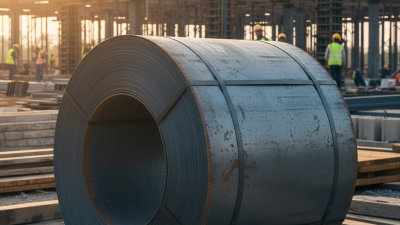
Steel carbon coils are integral in construction and infrastructure. Their strength and flexibility make them ideal for various applications. According to the World Steel Association, over 1.8 billion tons of steel are produced annually, with a significant portion classified as carbon steel. This representation highlights its importance in the industry.
In constructing buildings, steel carbon coils provide crucial support. They are often used in beams and columns. A report by Research and Markets notes that the global construction steel market is expected to reach $109 billion by 2026. These coils contribute to this growth, offering durability and resilience in the face of challenges like earthquakes and storms.
Despite their advantages, there are considerations to keep in mind. Corrosion can weaken steel carbon coils over time. This issue necessitates proper coatings or treatments. Moreover, the environmental impact of steel production raises concerns. The industry is seeking ways to innovate and reduce its carbon footprint while maintaining performance.
Applications of Steel Carbon Coil in Various Industries



 +86 18865111877