Top 10 Chinese Manufacturers of Hot Rolled Steel Coil in 2026?
The global steel industry is undergoing significant changes, especially in hot rolled steel coil production. As we approach 2026, understanding the top manufacturers in China is essential. Hot rolled steel coil is a fundamental material in various sectors, such as construction and automotive manufacturing. The growing demand for durable materials drives innovation and competition among manufacturers.
China is home to several leading producers that influence global supply chains. These companies invest in technology and sustainable practices to enhance production efficiency. However, not all manufacturers maintain consistent quality. Some face challenges in meeting international standards, prompting industry reflection. This evolving landscape necessitates a closer look at each player's capabilities.
As we explore the top 10 Chinese manufacturers of hot rolled steel coil, it’s crucial to consider their expertise and reliability. The ability to adapt to market trends will determine their position in 2026. Understanding their strengths and weaknesses will provide valuable insights for buyers and stakeholders alike.
Overview of Hot Rolled Steel Coil Market in China by 2026
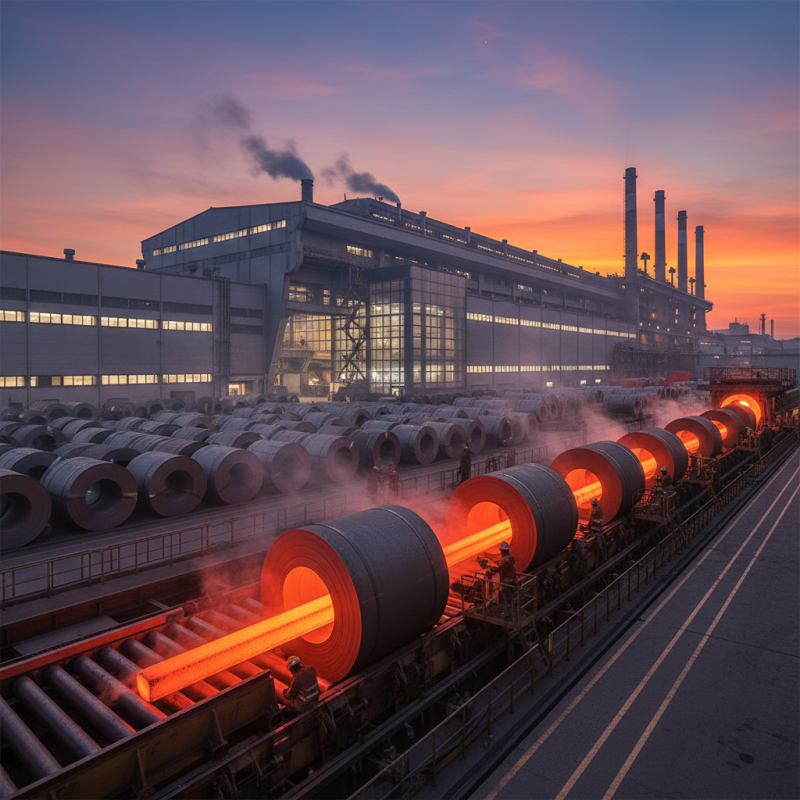
The hot rolled steel coil market in China is expected to show significant growth by 2026. According to industry reports, the annual production capacity could surpass 200 million tons. China remains a global leader in hot rolled steel, catering to various sectors such as automotive, construction, and machinery. The ongoing urbanization efforts will further drive demand. Analysts predict a steady 4% growth rate in consumption over the next few years.
However, challenges remain. Environmental regulations are tightening, pushing manufacturers to adopt cleaner technologies. Some steelmakers struggle to meet these new standards, impacting output. Additionally, raw material costs are experiencing volatility, which can hinder profit margins. Companies must balance sustainability and profitability to remain competitive in this evolving market.
Tips: Investing in technology can lead to improved efficiency. Manufacturers should consider automation for better production control. Stay informed about regulatory changes that could affect operations. Continuous training of the workforce will also be key in adapting to these shifts.
Key Factors Influencing the Growth of Hot Rolled Steel Manufacturers
The growth of hot rolled steel manufacturers in 2026 will be influenced by several key factors. Economic conditions play a crucial role in shaping demand. As construction and manufacturing sectors expand, the need for hot rolled steel rises. Additionally, government policies aimed at infrastructure development could drive significant demand.
Technological advancements in manufacturing processes also contribute to growth. The adoption of modern production techniques enhances efficiency and reduces costs. However, many manufacturers face challenges in upgrading equipment. Those who lack the resources may struggle to compete effectively.
Environmental regulations are becoming more stringent. This impacts production methods and costs significantly. Steel manufacturers must find sustainable practices to comply with these regulations. This shift can lead to increased operational costs but also opens opportunities for innovation. Balancing efficiency with sustainability will be a continuous challenge.
Growth of Hot Rolled Steel Coil Manufacturers in 2026
Leading Hot Rolled Steel Manufacturers in China: A Comparative Analysis
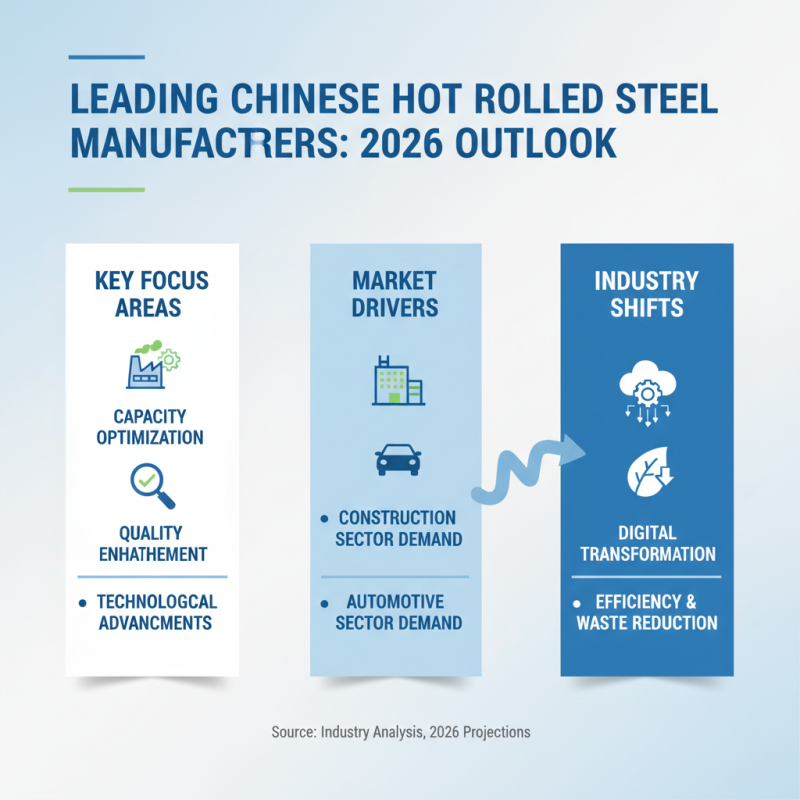
In 2026, the landscape of hot rolled steel coil manufacturing in China is likely to remain dynamic. Key manufacturers will focus on capacity, quality, and technological advancements. With ongoing demand in construction and automotive sectors, companies must adapt to market trends. The rise of digital technology is reshaping production processes. This shift may enhance efficiency and reduce waste.
Tips: Monitor innovations in manufacturing. Understanding market trends is crucial.
Quality assurance is essential. Leading manufacturers will need to prioritize consistent quality control measures. Evaluating production methods is vital. Some manufacturers may struggle with outdated practices, impacting overall reliability. Those who innovate can maintain a competitive edge.
Tips: Assess the technology used in manufacturing. Embrace sustainable practices for better market positioning. Investing in training is important for workforce development.
Technological Advancements in Hot Rolled Steel Production Processes
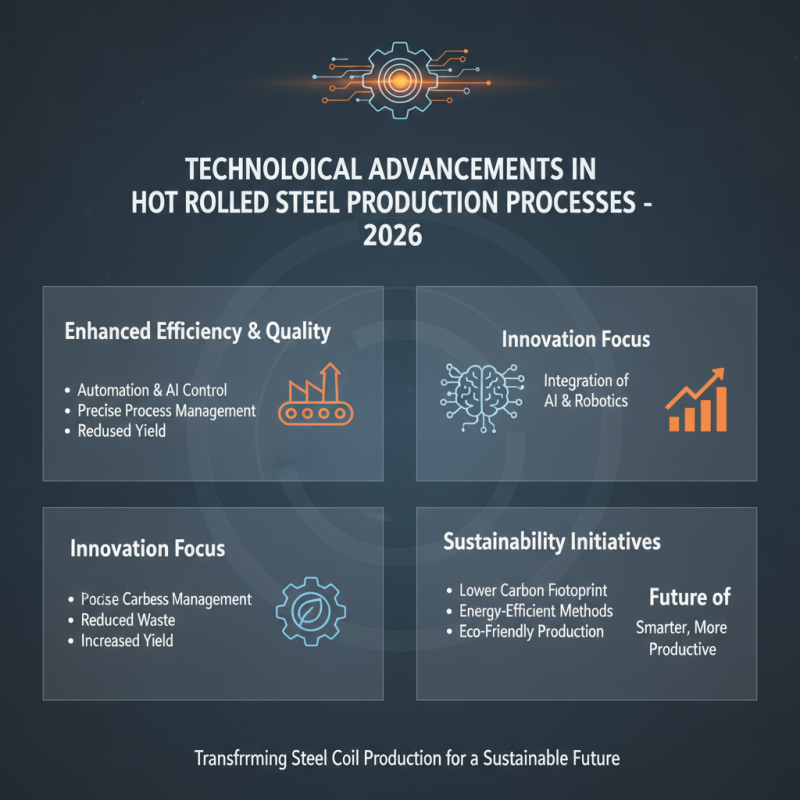
In 2026, the landscape of hot rolled steel coil production is expected to witness significant advancements. New technologies aim to enhance efficiency and product quality. Innovations integrate automation and artificial intelligence to control processes more precisely. This shift leads to reduced waste and increased yield. Manufacturers focus on sustainability, aiming to lower their carbon footprint. Energy-efficient methods are becoming standard practice.
Tips: Embrace new technology for greater efficiency. Regular training for staff is essential. Keep up with industry trends for ongoing improvement.
The production process incorporates advanced materials and methods. For example, high-temperature treatment improves the toughness of steel. Research also emphasizes the importance of real-time monitoring systems. These systems provide valuable data that can streamline production. However, not all manufacturers adapt quickly. Some may resist change, risking obsolescence in a competitive market.
Tips: Be open to change. Evaluate existing processes regularly. Investing in technology pays off in the long run.
Future Trends and Challenges for Chinese Hot Rolled Steel Manufacturers
The future landscape for Chinese hot rolled steel manufacturers is marked by significant trends and challenges. Market reports indicate a projected growth rate of 4% annually for the steel industry. This growth is driven by increasing demand in construction and automotive sectors. However, the industry faces hurdles, including rising production costs and stricter environmental regulations.
Technological advancements play a critical role in shaping the future. Companies are investing in automation and smart manufacturing technologies. Reports estimate that implementing Industry 4.0 practices could reduce costs by up to 30%. Yet, the transition remains complex. Not all manufacturers have the resources or expertise needed for this shift.
Sustainability will be a focal point. The Chinese government is heavily promoting green steel production. However, the challenge lies in balancing environmental goals with economic viability. Reports show that 60% of companies struggle with this balance. Investment in cleaner technologies is essential but costly. As manufacturers navigate these trends and challenges, adaptability will be key.
Top 10 Chinese Manufacturers of Hot Rolled Steel Coil in 2026
| Rank |
Manufacturer |
Production Capacity (Million Tons) |
Market Share (%) |
Key Technology |
Environmental Compliance |
| 1 |
Manufacturer A |
10.5 |
15 |
Advanced Casting |
Yes |
| 2 |
Manufacturer B |
8.0 |
12 |
Thin Slab Casting |
Yes |
| 3 |
Manufacturer C |
7.5 |
10 |
Continuous Casting |
Yes |
| 4 |
Manufacturer D |
6.8 |
9 |
Electric Arc Furnace |
Yes |
| 5 |
Manufacturer E |
5.0 |
8 |
Basic Oxygen Furnace |
Yes |
| 6 |
Manufacturer F |
4.5 |
7 |
Hot Strip Mill |
Yes |
| 7 |
Manufacturer G |
4.2 |
6.5 |
Slab Casting |
Yes |
| 8 |
Manufacturer H |
3.8 |
6 |
Hot Rolling Process |
Yes |
| 9 |
Manufacturer I |
3.5 |
5.5 |
Innovative Steel Making |
Yes |
| 10 |
Manufacturer J |
3.0 |
5 |
Accelerated Cooling System |
Yes |



 +86 18865111877