Top Quality Hot Rolled Steel Plate Carbon for Global Buyers?
In the world of construction and manufacturing, the importance of "Hot Rolled Steel Plate Carbon" cannot be overstated. Renowned industry expert, Dr. Jane Holloway, states, "Quality steel is the backbone of innovation." This sentiment echoes the increasing demand for high-quality hot rolled steel plates.
Hot rolled steel offers superior strength and flexibility. It serves various industries, from automotive to infrastructure. The global buyers seeking these products look for reliability and performance. The intricacies of production play a vital role in determining the quality. Each step, from alloy selection to rolling, influences the final product.
However, not all hot rolled steel plates are created equal. Buyers must navigate through numerous suppliers. Quality assurance and certifications become critical factors in their decision-making. The evolving market necessitates awareness of standards and best practices. This reflects the ongoing pursuit of excellence within the industry. Adopting these insights can lead to better choices and enhanced project outcomes.
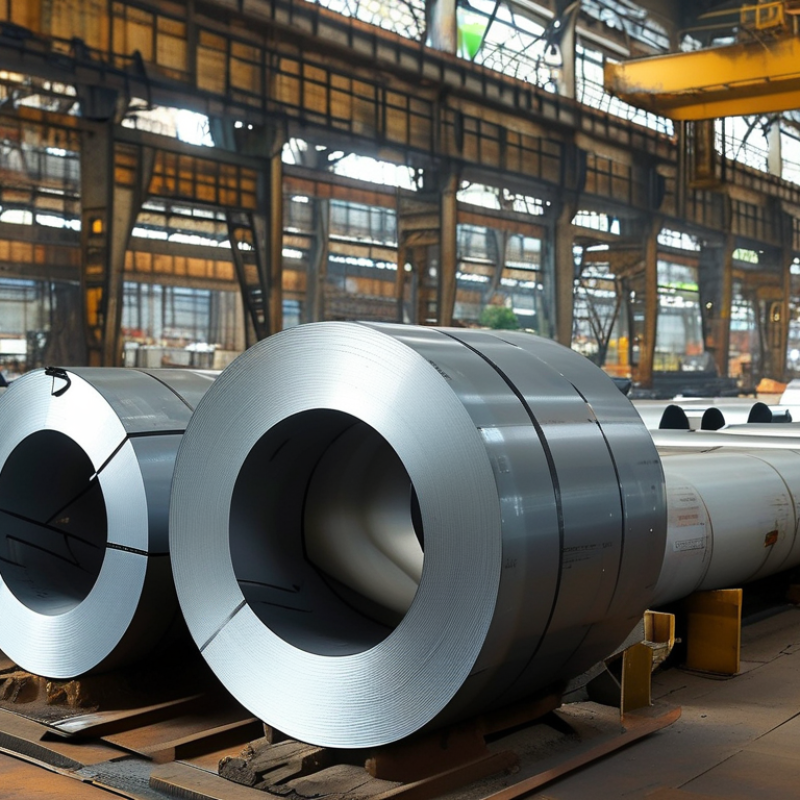
Top Quality Hot Rolled Steel Plate: Definition and Characteristics
Hot rolled steel plates are essential in various industries. These plates are formed by rolling the steel at high temperatures, making them malleable and easier to shape. This process creates a smoother surface finish compared to cold rolled steel. The high temperature involved in manufacturing also affects the microstructure of the steel, resulting in improved ductility.
The key characteristics of top-quality hot rolled steel plates include thickness, width, and weight tolerance. These plates must offer excellent mechanical properties, such as high yield strength. Steel types vary; each has unique applications and advantages. It’s crucial for buyers to understand the specifications that matter most to their projects. Quality assurance in production processes ensures that each plate meets industry standards. Buyers often face challenges in finding reliable suppliers who offer consistent quality.
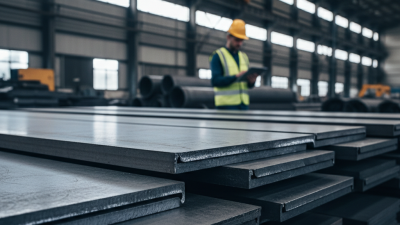
Recognizing imperfections in steel can be difficult. Small flaws might impact overall performance. Therefore, it's important to conduct thorough inspections before procurement. Communication with suppliers is key. Discussing specific needs can help in getting the right product. Understanding the characteristics of hot rolled steel plates is vital for making informed purchasing decisions.
Global Demand for Hot Rolled Steel Plates: Market Trends and Statistics
The global demand for hot rolled steel plates continues to grow. These steel plates are essential in construction and manufacturing. They provide durability and strength for various applications. Steel plates are versatile and adapt to many needs.
Market statistics reflect this upward trend. According to recent data, construction leads the demand, driven by infrastructure projects. Automotive manufacturing also spurs growth, requiring high-quality steel. However, shifts in supply chains can impact availability. Buyers must stay informed.
Tips: Regularly check market reports and trends for better purchasing decisions. Establish strong relationships with suppliers. This can ensure timely access to high-quality materials. Evaluate the quality of hot rolled steel plates to prevent issues in production.
Global Demand for Hot Rolled Steel Plates: Market Trends and Statistics
| Region |
Demand in 2023 (Million Tons) |
Growth Rate (%) |
Main Application |
| North America |
10.5 |
3.5 |
Construction |
| Europe |
12.0 |
4.2 |
Automotive |
| Asia-Pacific |
25.0 |
5.0 |
Manufacturing |
| Latin America |
7.5 |
2.8 |
Energy |
| Middle East & Africa |
4.0 |
3.0 |
Infrastructure |
Key Manufacturers of Hot Rolled Steel Plates and Their Production Capacity
The global market for hot rolled steel plates sees notable leadership from major manufacturers. Their production capacities greatly influence market supply. Recent data indicates that the top five producers account for nearly 40% of the overall output. This level of concentration affects pricing dynamics and customer access.
In terms of production, many manufacturers operate high-capacity mills. These mills are technically advanced and utilize process innovations. It allows for efficient production of large volumes. Reports suggest that some facilities can produce over 1 million tons annually. Such figures underscore the escalating demand for high-quality steel plates across various industries.
Yet, despite these advancements, challenges remain. The environmental impact of production is a growing concern. Manufacturers face pressure to adopt greener technologies. There is ongoing dialogue about sustainability practices. This situation raises questions about balancing production efficiency with ecological responsibilities. Buyers should be aware of these complexities when sourcing products.
Quality Standards and Certifications for Hot Rolled Steel Products
When it comes to hot rolled steel plates, quality standards and certifications play a crucial role. Buyers should be aware of various certifications, such as ISO 9001, which indicate management quality. This certification shows that a manufacturer consistently meets customer and regulatory requirements. Other standards include ASTM and ASME, which ensure the steel meets specific performance and safety parameters.
Obtaining certification can be a lengthy process. Some manufacturers may overlook this aspect. It’s essential to recognize these gaps. A lack of certification may lead to compliance issues and affect overall product reliability. Buyers should ask for documentation. Verifying these details can save time and resources in the long run.
Furthermore, the steel industry varies significantly across regions. This diversity can complicate quality assurance. Buyers should be educated about these differences. Familiarity with regional standards can enhance procurement decisions. Being vigilant and informed is the key. Ensure that the hot rolled steel you choose adheres to recognized standards. It’s about more than just the material; it’s about ensuring safety and longevity in end-use applications.
Applications of Hot Rolled Steel Plates in Various Industries and Sectors
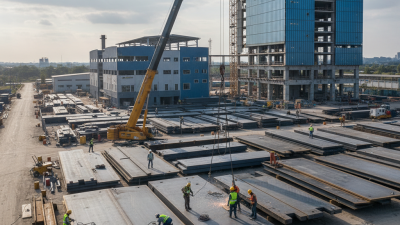
Hot rolled steel plates are essential in various industries. They are widely used in construction, automotive, and manufacturing sectors. These plates provide strength and durability, making them ideal for structural applications. Construction projects often rely on hot rolled steel for beams, columns, and frames. This material can handle heavy loads and harsh environmental conditions.
In the automotive industry, hot rolled steel is key for producing vehicle parts. It is cost-effective and offers excellent weldability. This quality allows manufacturers to create complex shapes and assemblies easily. Moreover, hot rolled steel plates are also used in machinery production. They play a crucial role in creating parts that require high strength and resistance to wear.
Despite the advantages, it is vital to acknowledge some challenges. Quality can vary based on production methods. Buyers must inspect specifications to ensure they meet project standards. Furthermore, surface imperfections might occur during production. These blemishes can affect the overall performance if not addressed appropriately. By being mindful of these factors, industries can fully harness the potential of hot rolled steel plates.





 +86 18865111877