2026 How to Use Hot-Rolled Coil in Industrial Applications?
In the industrial landscape, Hot-Rolled Coil (HRC) plays a crucial role across various applications. Renowned expert in metallurgical engineering, Dr. John McGowan, emphasizes, “Hot-Rolled Coil is the backbone of many manufacturing processes.” His insights highlight the importance of understanding the versatile nature of HRC. Industries rely on its strength and malleability for construction and automotive components.
Hot-Rolled Coil, produced at high temperatures, offers flexibility for shaping and forming. However, the use of HRC is not without its challenges. Variations in thickness and surface quality can impact the final product. Companies must balance these factors while meeting specific project demands.
As industries evolve, so does the need for enhanced performance from Hot-Rolled Coil. Innovation is essential. There are constant adjustments in processing techniques to improve quality control. This evolving landscape prompts manufacturers to reconsider traditional approaches. Embracing advanced methods can lead to significant improvements, addressing the need for reliability and efficiency in industrial operations.
Hot-Rolled Coil: An Overview of Its Industrial Significance
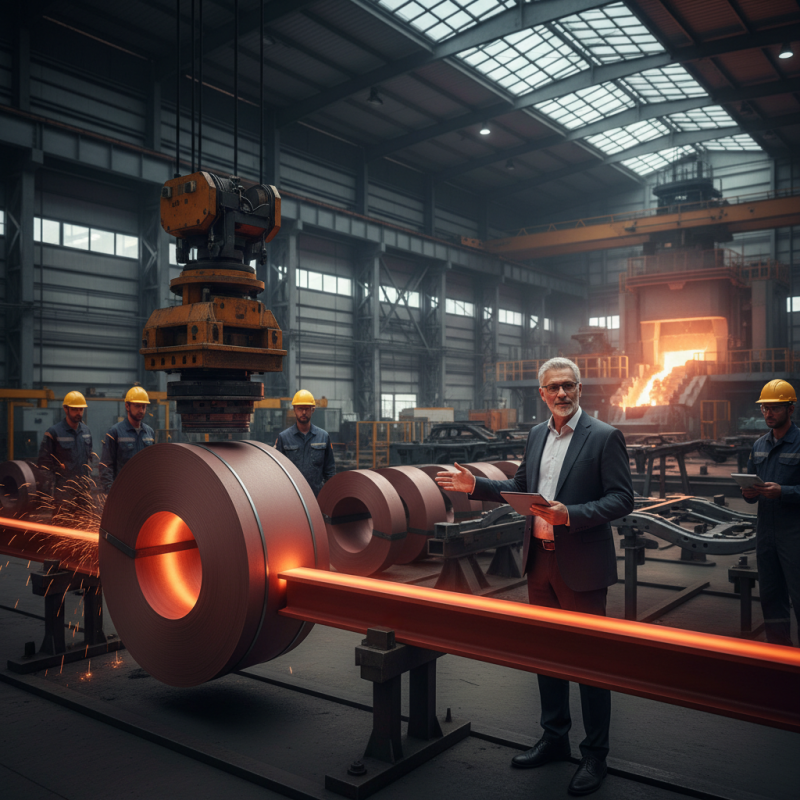
Hot-rolled coil (HRC) is a vital component across various industrial applications. Its characteristics make it suitable for manufacturing structural components, automotive parts, and even appliances. The American Iron and Steel Institute (AISI) estimates that HRC accounts for around 30% of the total steel production in the U.S., underscoring its significance. The process of hot rolling provides a uniform thickness. It allows for extensive use in settings where strength and durability are paramount.
HRC's industrial significance extends to its cost-effectiveness. Compared to cold-rolled steel, hot-rolled steel generally has a lower production cost. However, this comes with a trade-off. The surface finish of hot-rolled products may not meet high aesthetic expectations. Some industries may find this a challenge when appearance is important. Additionally, the mechanical properties can vary. Temperature fluctuations during production can affect the final product's consistency, leading to quality concerns.
Despite these challenges, the demand for HRC remains robust. The global market for hot-rolled coil is projected to grow at a compound annual growth rate (CAGR) of 5% from 2022 to 2029. Industries continue to adapt their processes to optimize the use of HRC. Companies increasingly focus on finding innovative ways to mitigate the imperfections of hot-rolled products while reaping their benefits. The reliance on HRC illustrates the industry's complexities and evolving standards.
Key Properties of Hot-Rolled Coil Influencing Industrial Applications
Hot-rolled coil is a favored choice in various industrial sectors due to its unique properties. The manufacturing process involves rolling steel at a high temperature, which enhances its ductility. This characteristic allows for easier shaping and forming in different applications. For instance, it is commonly used in automobile fabrication and construction materials. The ability to create thinner, lighter structures with high strength is a significant advantage.
One key property influencing its application is surface finish. Although hot-rolled coils generally have a rough texture, they are still versatile. Manufacturers sometimes treat the coils for improved aesthetics and corrosion resistance. Additionally, the thickness tolerance is essential for safety-critical applications. Industries have to consider these aspects while selecting hot-rolled coils. Sometimes, projects may find that the roughness leads to challenges in welding or machining. Understanding these nuances is crucial for the successful application of hot-rolled coils.
Common Industrial Applications of Hot-Rolled Coil
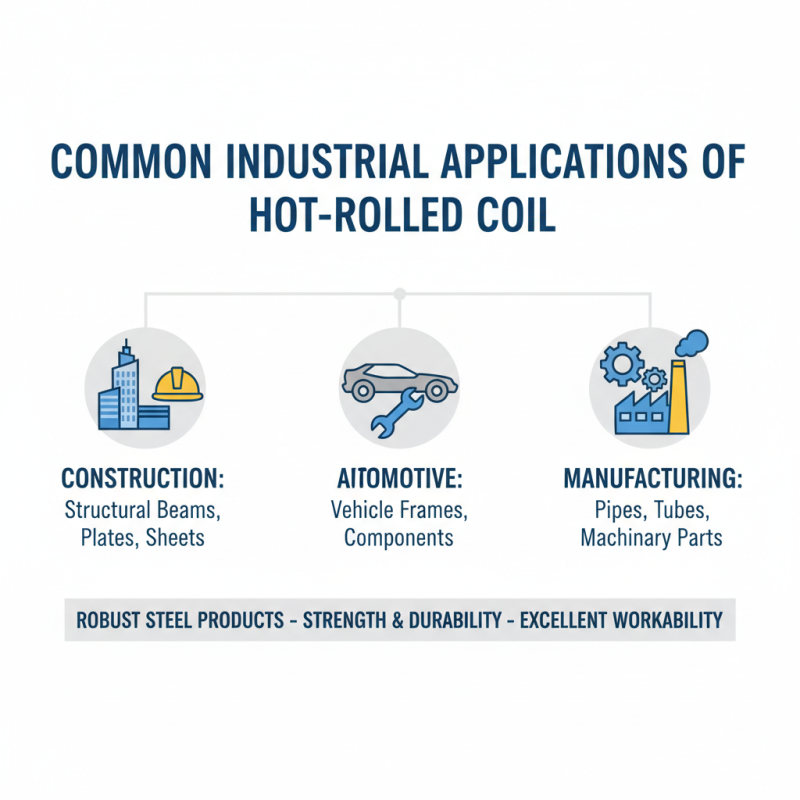
Hot-rolled coils play a crucial role in various industrial applications. These robust steel products are used in construction, automotive, and manufacturing sectors. The strength and durability of hot-rolled coils make them ideal for structural beams, plates, and sheets. They offer excellent workability and can be shaped into diverse forms.
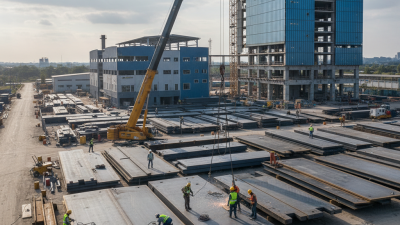
In construction, hot-rolled coils are vital for framing and support structures. Their high tensile strength ensures stability in buildings and bridges. However, not all projects may benefit from their use. Selecting the right type and grade is essential. In the automotive industry, these coils are often utilized for chassis and body components. The ability to withstand heavy loads without warping is beneficial here. Yet, improper handling during manufacturing can lead to defects.
These coils also find applications in machinery and equipment. Their versatility allows them to be used in various components. Nevertheless, quality control is paramount. Variances in thickness and surface finish can impact performance. Overall, hot-rolled coils are indispensable, but careful consideration is required in their application.
Best Practices for Processing and Handling Hot-Rolled Coil
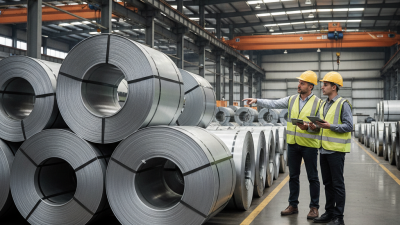
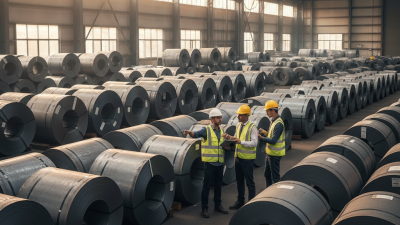
When processing hot-rolled coil, it's crucial to prioritize effective handling practices. Proper storage is essential to prevent rust and surface damage. Always keep coils elevated on skids, away from moisture. Stacking them correctly can reduce deformation during transport. If coils are exposed, they should be covered with protective materials.
During the cutting and shearing processes, consistent pressure is necessary for clean edges. Use sharp blades to minimize scrap and reduce wear. Operators should be trained to recognize signs of tool fatigue. This awareness helps maintain efficiency and product quality. It’s vital to inspect coils for surface imperfections before moving them to the next phase.
Handling hot-rolled coils requires attention to detail. Operators must wear appropriate protective gear at all times. Safety hazards can arise from improper lifting techniques or inadequate support. These factors can lead to injuries or material loss. Routine maintenance of equipment helps ensure consistent performance. Regularly reviewing handling procedures can reveal potential areas for improvement.
Future Trends in the Use of Hot-Rolled Coil in Industry
The industrial landscape is evolving, and hot-rolled coil (HRC) plays a significant role. In 2026, industries will demand versatility and durability from HRC. As manufacturers seek cost-effective materials, HRC offers a strong option for construction and automotive applications. Its ability to withstand high temperatures and pressure makes it suitable for heavy machinery.
Emerging trends indicate a shift toward sustainability. More industries are opting for HRC derived from recycled materials. This approach reduces the carbon footprint and aligns with global green initiatives. However, challenges persist, such as ensuring consistent quality from recycled sources. Companies must address these issues to fully embrace the trend.
Innovations in processing technology are crucial. Advanced rolling techniques enhance the properties of HRC, leading to stronger and lighter products. Yet, some manufacturers struggle to keep up with this rapid technological change. Industry players need to invest in training and updating equipment. This investment can lead to improved efficiency and product performance, positioning them as leaders in the market.
2026 How to Use Hot-Rolled Coil in Industrial Applications
| Application Area |
Material Properties |
Future Trends |
Sustainability Considerations |
| Automotive Manufacturing |
High ductility and strength |
Increasing demand for lightweight components |
Recycling and reduced CO2 emissions |
| Construction |
Corrosion resistance and weldability |
Smart materials integration |
Utilization of recycled materials |
| Heavy Machinery |
High tensile strength |
Automation in manufacturing processes |
Focus on energy efficiency |
| Shipbuilding |
High impact resistance |
Adoption of modular construction |
Reduction in waste generation |



 +86 18865111877