How to Use Hot Rolled Steel Coil Sheet in Your Next Project?
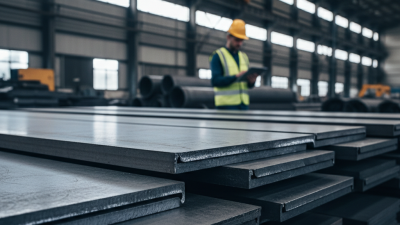
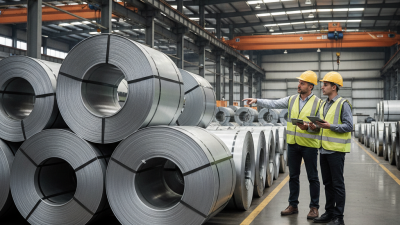
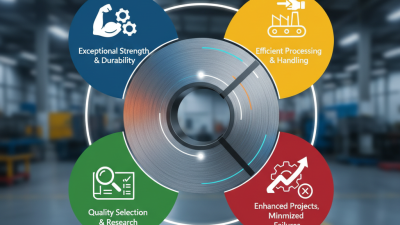
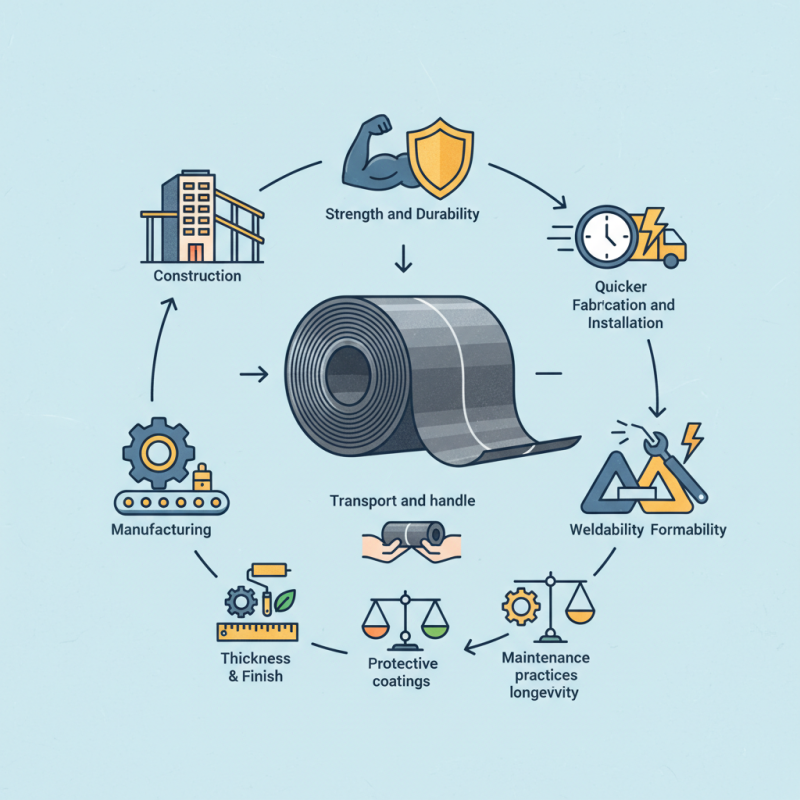
Hot Rolled Steel Coil Sheet is a versatile material in construction and manufacturing. Its strength and durability make it an ideal choice for various projects. This material comes in large rolls, making it easy to transport and handle.
Using Hot Rolled Steel Coil Sheet can simplify the construction process. It allows for quicker fabrication and installation. Projects can benefit from its excellent weldability and formability. However, choosing the right thickness and finish is crucial. Thicker sheets may provide more strength, but they could also add weight. Designers need to reflect on these trade-offs carefully.
Hot Rolled Steel Coil Sheet also requires proper handling. Its exposed surface may rust if not treated. Implementing protective coatings can extend lifespan. Reflecting on maintenance practices is essential to ensure longevity. Each project presents unique challenges. Proper planning and consideration of this material can lead to successful outcomes.
Understanding Hot Rolled Steel Coil Sheet: A Comprehensive Overview
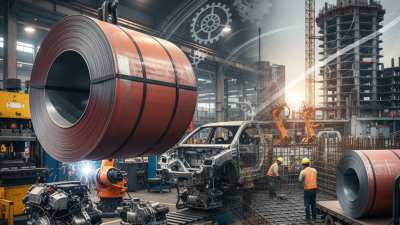
Hot rolled steel coil sheet is a vital material in many industries. Its manufacturing process involves rolling steel at high temperatures. This technique makes the steel more malleable and easier to shape. Due to its versatility, it finds applications in construction, automotive, and manufacturing sectors. Hot rolled sheets are relatively affordable and easily available, which attracts many builders and fabricators.
However, there are considerations when using this material. First, the surface finish may not be perfect. You might find some imperfections and scale that could affect the final product quality. Additionally, the strength can vary based on thickness, often creating challenges in meeting stringent specifications. Thus, it's crucial to assess your project's needs carefully before choosing this material.
Moreover, consider the environmental impact of hot rolled steel. While it is generally easier to recycle, the production process has a significant carbon footprint. Reflecting on the balance between cost, efficiency, and sustainability is vital. Proper procurement and planning can lead to better project outcomes, enhancing both utility and responsibility.
How to Use Hot Rolled Steel Coil Sheet in Your Next Project?
| Application |
Thickness (mm) |
Width (mm) |
Length (mm) |
Weight (kg/m²) |
Finish |
| Automotive Parts |
2.5 |
1500 |
3000 |
4.9 |
Pickled |
| Construction Beams |
8.0 |
2000 |
6000 |
7.8 |
Hot Rolled |
| Shipbuilding |
6.0 |
2500 |
4000 |
6.2 |
Mill Scale |
| Manufacturing Equipment |
10.0 |
3000 |
8000 |
9.8 |
Black |
Identifying Suitable Applications for Hot Rolled Steel Coil Sheet
Hot rolled steel coil sheets are widely used in various industries due to their versatility and strength. Their performance metrics make them ideal for structural applications. According to a report by the American Iron and Steel Institute (AISI), nearly 37% of all steel produced in the U.S. is hot rolled. This data reflects its crucial role in construction and manufacturing.
In building projects, hot rolled steel is often utilized for beams and columns. These elements need high tensile strength and ductility. They provide excellent support under heavy loads. A notable example is the use of hot rolled steel in bridges and skyscrapers. However, selecting the right thickness and width can be challenging. Sometimes, designers might overlook how specific conditions impact performance, such as corrosion risks in humid environments.
Manufacturing industries also benefit from hot rolled steel. It is used in creating automotive components, machinery frames, and other equipment. The ability to mold and fabricate hot rolled sheets easily makes them appealing. Yet, the tendency to underestimate the need for proper surface treatments can lead to premature wear. This oversight can reduce the materials’ lifespan, highlighting the importance of detailed planning and careful consideration in application choices.
Essential Tools and Equipment for Working with Hot Rolled Steel Coil Sheet
When working with hot rolled steel coil sheets, having the right tools is crucial. Basic equipment includes a welding machine, plasma cutter, and metal shears. According to the American Welding Society, improper welding techniques can reduce joint strength by 30%. Ensuring the right equipment is used can prevent costly mistakes.
Safety gear is also essential. Steelworking can produce significant sparks and debris. A proper face shield, gloves, and heavy-duty clothing will protect against injuries. The Occupational Safety and Health Administration (OSHA) reports that over 8,000 injuries occur annually in metal fabrication. Consider investing in quality protective equipment to minimize risk.
Ventilation is another factor to consider. Working with steel generates fumes that can be harmful. Ensure the workspace allows for a proper airflow system. Poor ventilation can lead to health issues over time. It's a detail often overlooked in planning, but one that can have serious consequences. Always prioritize a safe working environment when handling hot rolled steel.
Step-by-Step Guide to Fabricating with Hot Rolled Steel Coil Sheet
Hot rolled steel coil sheets are essential for many fabrication projects. They offer excellent malleability and strength, making them suitable for various applications. According to industry reports, nearly 60% of steel used in construction is hot rolled. This statistic highlights the importance of understanding how to work with this material.
When fabricating with hot rolled steel, ensuring accurate measurements is crucial. Even a slight mistake can lead to compromised structural integrity. When cutting sheets, a shear cutter can provide cleaner edges. However, it’s vital to monitor the blade condition regularly, as dull blades can produce uneven cuts. Keep an eye on your safety gear too; goggles and gloves are non-negotiable when dealing with heavy materials.
During the welding process, hot rolled steel can warp if not controlled properly. Preheating is sometimes recommended, which can help minimize thermal stress. Make adjustments as needed. Not every weld will be perfect, and that's the learning curve of working with steel. Embrace imperfections; they offer valuable lessons for future projects. Advanced training or workshops may also help refine your skills over time, leading to better results in your next project.
Tips for Finishing and Maintaining Hot Rolled Steel Coil Sheet Projects
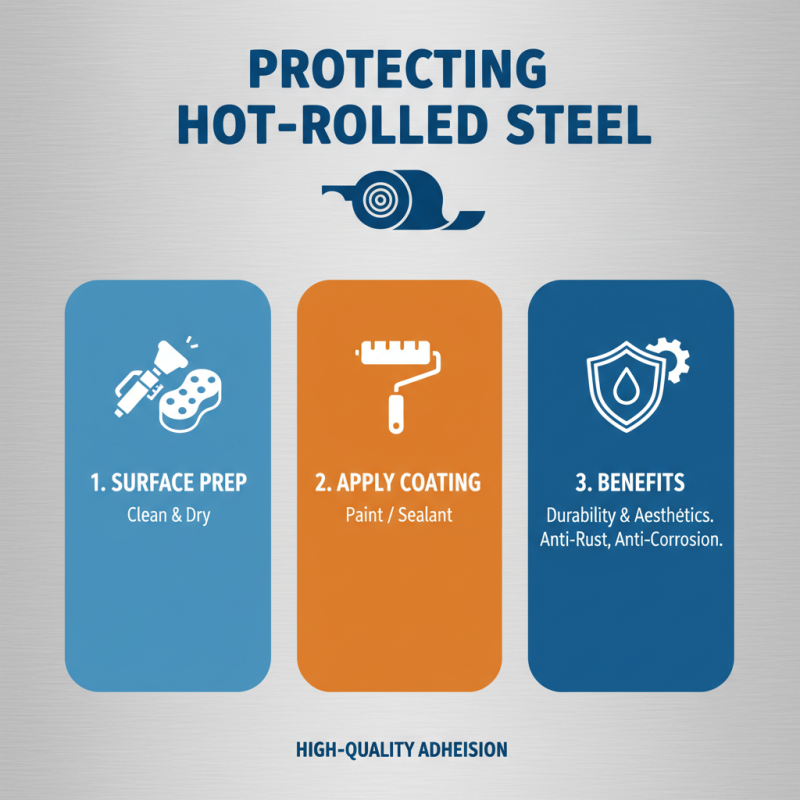
When working with hot rolled steel coil sheets, finishing is crucial for durability and aesthetics. One effective method is applying a protective coating. Paint or sealant can help prevent rust and corrosion. Choose a high-quality product that adheres well to metal surfaces. Proper surface preparation is essential. A clean surface will ensure better adhesion and longer-lasting results.
Maintenance is equally important. Regular inspections can catch early signs of wear or damage. Look for rust spots or scratches. Addressing these issues promptly can save time and resources in the long run. In some cases, repainting the surface or reapplying sealant may be necessary. Be mindful of environmental factors too. Humidity, temperature, and exposure to chemicals can affect the longevity of your project.
Improper handling can lead to dents and scratches during transport or installation. Always wear gloves and use protective padding when moving these sheets. Be aware that hot rolled steel can be heavy and unwieldy, making it prone to mishaps. Taking extra care now will lead to a better-looking and more durable finished project.



 +86 18865111877