2026 Best Hot Rolled Steel Plate Carbon Options for Your Projects?
In the world of construction and manufacturing, "Hot Rolled Steel Plate Carbon" stands as a vital material. It offers strength and versatility for various projects. Industry expert John Smith, known for his innovative use of materials, once said, "Choosing the right carbon plate can make or break your project's success."
Hot rolled steel plates provide excellent machinability and weldability. They can withstand heavy loads and harsh conditions. Many engineers rely on this material to ensure durability in their designs. However, not all carbon plates are created equal. The quality and specifications vary widely among suppliers. It’s crucial to understand the different options available in 2026.
Many factors influence the selection of hot rolled steel plates. The project's requirements, cost, and environmental factors all play a role. Not recognizing these aspects can lead to suboptimal choices. As the industry evolves, staying updated on the best carbon options becomes essential. Each project deserves the best materials to ensure long-lasting results. The landscape of hot rolled steel plate carbon continues to shift, and embracing this change is necessary for success.
Overview of Hot Rolled Steel Plates and Their Applications
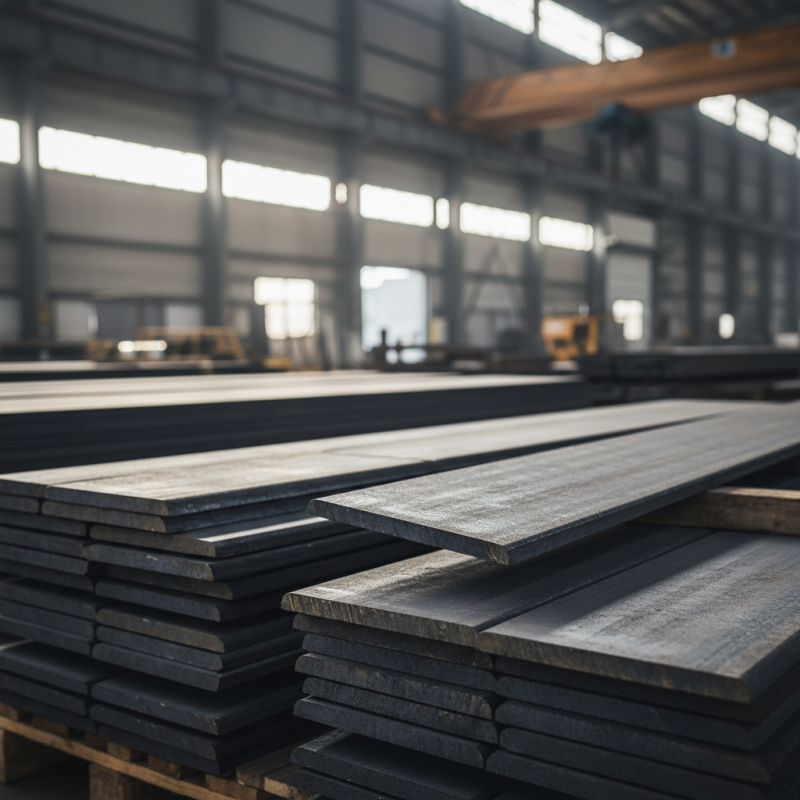
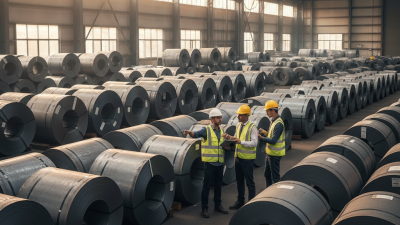
Hot rolled steel plates are widely used in various industries due to their versatility and durability. These plates are produced through the hot rolling process, where steel is heated above its recrystallization temperature. This process enhances the material's ductility and reduces its hardness, making it easier to work with. Manufacturers often leverage hot rolled steel plates for structural applications, machinery parts, and automotive components.
One primary application of hot rolled steel plates is in construction. Builders favor these plates for their strength and ability to withstand heavy loads. They are often used in fabricating beams, columns, and other structural elements. In the automotive sector, these plates are essential for producing vehicle frames. They provide reliable strength while maintaining a manageable weight for better fuel efficiency.
There are challenges to consider as well. The surface finish of hot rolled steel plates can be rough and may require additional processing. This can add time and cost to projects. Additionally, while these plates are efficient, their high carbon content can lead to rusting. Proper care and treatment are crucial to ensure the longevity of the finished products. Balancing the benefits and drawbacks is vital for professionals in the industry.
2026 Best Hot Rolled Steel Plate Carbon Options for Your Projects
Key Features of Carbon Steel Plates in Construction Projects
Carbon steel plates are vital in construction projects due to their durability and strength. They are widely used for structural applications, offering excellent load-bearing capabilities. With various thicknesses available, these plates can cater to diverse project requirements. Their malleability allows for intricate designs, making them suitable for both industrial and architectural uses.
When choosing carbon steel plates, consider the plate’s resistance to deformation. High-quality plates can withstand stress and strain, ensuring structural integrity. Also, the surface treatment is essential. A smooth finish can prevent corrosion and enhance lifespan. Pay attention to the plate specifications to match your project needs.
Tip: Always consult industry standards before selecting materials. It ensures compliance with local regulations and safety requirements. Evaluate the environmental impact of your choices too. Heavy materials can affect transportation and installation.
Another point to reflect on is the sourcing of materials. Not all suppliers provide reliable products. Research suppliers and request certifications to ensure quality. A failure to do so could lead to project delays or safety issues. Understand the lifecycle of the materials you choose. This awareness can significantly impact long-term sustainability in construction practices.
Comparative Analysis of Top Brands for Hot Rolled Steel Plates
When selecting hot rolled steel plates, a comparative analysis of top brands becomes crucial. Quality varies significantly among manufacturers. Understanding these differences helps in making informed procurement decisions.
Consider key factors like thickness, yield strength, and surface finish. Some brands offer excellent durability, while others may struggle with consistency. Participants in the market often overlook the importance of sourcing from reliable suppliers. This choice can impact project longevity and performance.
It’s also vital to consider client feedback and industry reviews. Real-world applications reveal that some products, while initially appealing, may not deliver on their promises over time. Balancing cost and quality can be challenging. Many projects can benefit from a thorough market evaluation.
Factors to Consider When Selecting Hot Rolled Steel Plates
When selecting hot rolled steel plates, several factors come into play. Specifications are crucial. Consider thickness, width, and length. For instance, the American Institute of Steel Construction recommends specific standards for structural applications. Understanding the mechanical properties is important too. Yield strength and tensile strength are key indicators of performance.
Another significant aspect is the plate's surface condition. Hot rolled plates often exhibit scaling. This can impact welding and machining. Many projects require a clean surface for better adhesion. Additionally, think about the intended application. Will the plate undergo heavy load or high temperature? The response from steel under stress reveals its reliability. Reports show that appropriate material choice can enhance durability and reduce failures.
Lastly, procurement practices influence cost and availability. Fluctuations in the market can affect pricing and lead times. Staying updated on industry trends helps in making informed decisions. Unexpected delays can hinder projects. A deeper understanding of the market can mitigate risks associated with project timelines.
Future Trends in Hot Rolled Steel Plate Technology and Usage
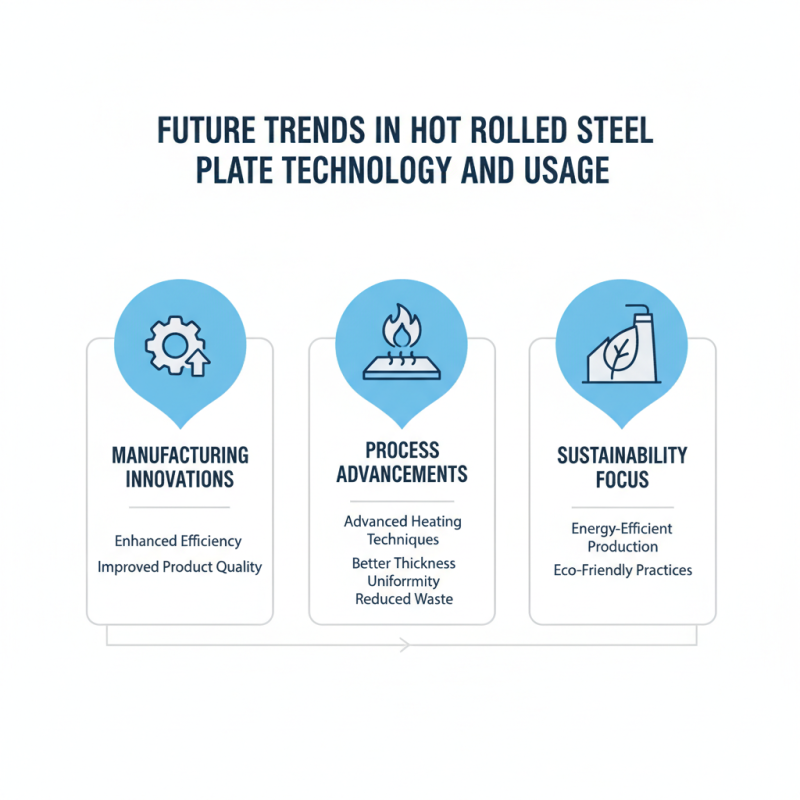
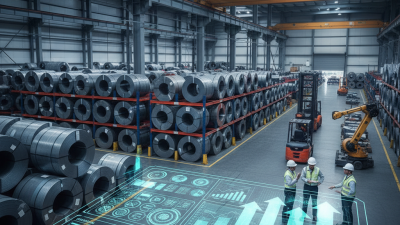
The future of hot rolled steel plate technology is evolving rapidly. Innovations are emerging to enhance the manufacturing process, improving efficiency and product quality. Advanced heating techniques help to deliver better uniformity in thickness. This change reduces waste significantly. As industries increasingly focus on sustainability, energy-efficient production methods are gaining traction.
Emerging materials also play a role in shaping future trends. For instance, steel plates treated with advanced coatings exhibit improved corrosion resistance. This technological leap promises longer-lasting products. However, challenges remain. Manufacturers must keep pace with environmental regulations while meeting the demands of a changing market.
The usage of hot rolled steel plates is expected to diversify. Industries like automotive and construction are seeking lightweight alternatives without compromising strength. As this sector grows, the need for innovation will only intensify. Companies must remain adaptable, continually revising their strategies. Emphasizing collaboration among engineers and researchers may foster better solutions.





 +86 18865111877