How to Choose the Best Steel Carbon Coil for Your Needs?
Choosing the right steel carbon coil can significantly impact your projects. With various options available, it’s crucial to consider specific requirements carefully. The right choice ensures durability and effectiveness in application. Steel carbon coils are versatile, serving in industries like construction, automotive, and manufacturing.
Understanding your needs is essential. Different grades and thicknesses of steel carbon coil cater to different applications. For example, structural steel coils are ideal for construction, while those with higher carbon content enhance strength in specialized applications. It's important to reflect on your project's demands when making a decision.
Quality is paramount. Look for verified suppliers who provide comprehensive specifications and certifications. Trustworthy sources often have years of experience, ensuring reliable materials. Additionally, consider market reputation and customer reviews. These factors will guide you to make an informed choice about your steel carbon coil needs.
Understanding Steel Carbon Coil Types and Their Applications
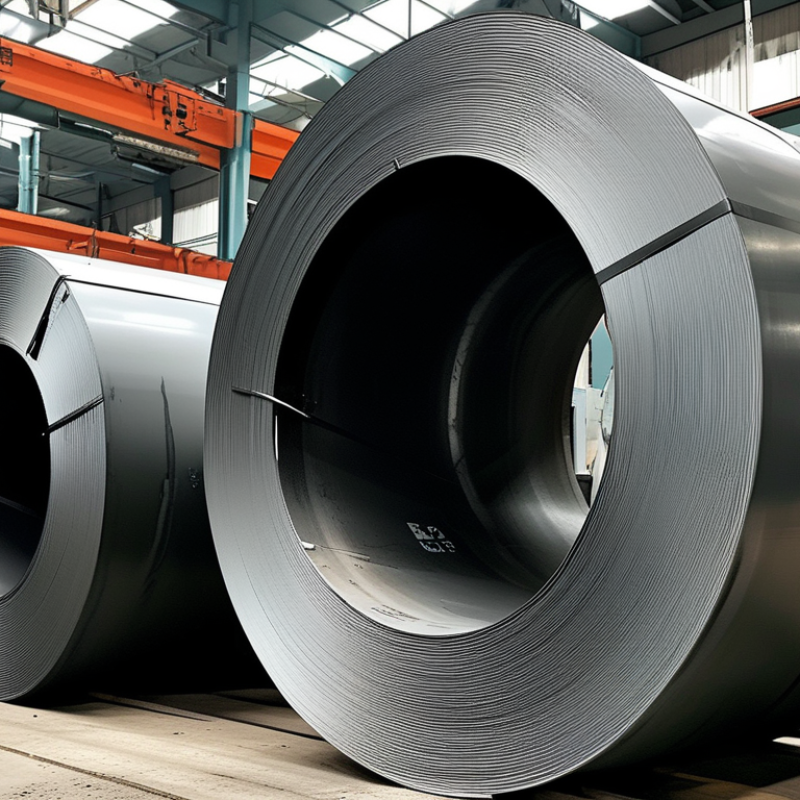
When it comes to steel carbon coils, understanding the different types can significantly streamline your decision-making process. The two primary categories are low-carbon and high-carbon coils. Low-carbon coils typically contain less than 0.3% carbon, making them versatile for applications such as automotive components. High-carbon coils, containing between 0.3% and 2.1% carbon, are often utilized in tools and springs due to their remarkable strength and durability.
Specialized applications often dictate the coil type you need. For example, industrial machinery may benefit from high-carbon coils for their resistance to wear and tear. According to industry reports, the demand for high-carbon steel has been steadily increasing, projected to reach a compound annual growth rate (CAGR) of 5.2% by 2025. Keeping these statistics in mind is crucial for assessing market trends.
Tips: Always verify the specifications of the steel coil according to your project requirements. A small oversight can lead to significant delays. Evaluating the compatibility of the coil with your intended application can save you both time and resources. Moreover, consider sourcing from suppliers who prioritize transparency in material sourcing and certifications. This ensures a reliable quality that meets your needs.
How to Choose the Best Steel Carbon Coil for Your Needs? - Understanding Steel Carbon Coil Types and Their Applications
| Coil Type |
Carbon Content (%) |
Application |
Common Thickness (mm) |
Advantages |
| Mild Steel Coil |
0.05 - 0.25 |
Construction, Automotive |
1.0 - 5.0 |
Good weldability, malleability |
| High Carbon Steel Coil |
0.30 - 0.60 |
Tools, Springs |
1.2 - 6.0 |
High strength, wear resistance |
| Medium Carbon Steel Coil |
0.25 - 0.50 |
Machinery, Automotive Parts |
1.0 - 4.0 |
Balanced ductility and strength |
| Ultra High Carbon Steel Coil |
0.60 - 1.00 |
Cutting Tools, Knives |
1.5 - 4.5 |
Exceptionally high hardness |
Factors to Consider When Choosing Steel Carbon Coil Thickness
Choosing the right thickness for your steel carbon coil is crucial. Thickness affects strength, weight, and flexibility. A necessary home project may need a thinner coil. Heavier industrial applications often require thicker materials. It's important to assess the specific requirements of your project before making a decision.
Consider how the steel will be used. Structural applications might benefit from extra thickness. Conversely, custom fabrication might find thinner options more suitable. Each choice comes with trade-offs. A thicker coil provides strength but increases weight, which can complicate handling. On the other hand, thinner coils can be easier to work with but might not support heavy loads.
Understand your environment as well. Corrosion resistance is key in outdoor applications. Thicker coils often have better resistance. However, thinner coils might be sufficient in controlled settings. Analyze all factors, including budget constraints, before finalizing your choice. Ensure you reevaluate your needs as projects evolve. Making an informed decision can save time and resources in the long run.
Choosing the Right Thickness of Steel Carbon Coil
This bar chart illustrates the common applications of different thicknesses of steel carbon coils. The thickness of the coil is crucial in determining its applications in various industries. For instance, 1.0 mm and 1.5 mm thicknesses are the most widely used due to their balance of strength and flexibility.
Evaluating the Strength and Durability of Steel Carbon Coils
When evaluating the strength and durability of steel carbon coils, several key factors come into play. The tensile strength of steel carbon is often a critical attribute. Reports indicate that high-carbon steels can achieve tensile strengths exceeding 1,200 MPa. Such strength is crucial for applications requiring robustness, like in construction and automotive industries.
Another important aspect is the yield strength. Steel grades vary, with some yielding around 250 MPa while others reach 600 MPa or more. Yield strength indicates how much stress a coil can endure before deforming. Additionally, the hardness of the coil is essential. Hardness directly influences wear resistance. Reports show that a hardness rating of over 200 HB (Brinell hardness) is often desirable for heavy-duty applications.
Corrosion resistance can be overlooked but is vital for longevity. Coils intended for outdoor use should exhibit resistance to rust. Coated or treated options are available but may affect overall strength. Professionals should consider a balance between durability, strength, and potential surface treatments to avoid compromising the material's integrity.
Comparing Coated vs. Uncoated Steel Carbon Coils for Your Needs
When selecting steel carbon coils, the choice between
coated and
uncoated
variants is crucial. Coated coils have a layer of protection, which helps
resist corrosion. This makes them suitable for harsh environments, especially
in outdoor applications. On the other hand, uncoated coils are generally less
expensive. They are ideal for indoor use where exposure to moisture is minimal.
Consider the end use of the coils. If your project demands
high durability, coated options may be worth the investment.
However, if your budget is tight, uncoated coils can still perform well in
the right conditions. Environmental factors play a significant role in this
decision. Evaluate where the coils will be used and how they will be maintained
over time.
Tips:
Assess the environmental conditions your coils will face. Thinking about long-term
maintenance can save you money. Always compare the initial cost against the
potential for long-term savings. A better understanding of your project's needs will
guide your choice between coated and uncoated steel carbon coils.
Analyzing Cost and Availability of Steel Carbon Coils in the Market
When analyzing costs and availability of steel carbon coils,
market research is essential. Prices can vary widely based on factors like the type of steel and geographic location. Local mills may offer competitive rates, but regional demand can impact overall availability. Many buyers overlook smaller suppliers, which can sometimes provide better deals and more personalized service.
Tips to consider:
- Evaluate freight costs. Transportation can significantly affect your overall expenditure.
- Check the market trends regularly. Prices fluctuate, and buying at the right time can lead to savings.
Don't solely rely on
large suppliers. Some
niche markets offer high-quality options at lower costs. It's also worth noting that
bulk buying is not always the best way to save. Sometimes,
smaller orders can meet your immediate needs without tying up too much capital. Remember to assess the
quality along with the price. Quality should never be sacrificed for cost. Balancing these factors will help you make
informed decisions.




 +86 18865111877