Best Hot Rolled Mild Steel Coil Uses and Applications Guide?
Hot Rolled Mild Steel Coil has become an essential material across various industries. Its versatility makes it a favorite for applications ranging from construction to automotive manufacturing. According to the World Steel Association, demand for hot rolled steel products is expected to rise significantly over the next few years. This trend highlights the importance of understanding its best uses.
In construction, Hot Rolled Mild Steel Coil is often utilized for structural support. This material offers strength and flexibility, which are critical in building frameworks. Furthermore, in the automotive sector, it is used extensively for chassis and body components. The ease of fabrication and ability to withstand high temperatures make it invaluable. Yet, there are potential drawbacks. The quality and consistency in manufacturing can vary, affecting performance.
Industries rely on data-driven decisions. Reports show that the global hot rolled steel market was valued at $408 billion in 2022. This figure underscores the significance of reliable sources and market trends when selecting suppliers. An informed choice can enhance productivity and reduce costs. As we explore the uses and applications, we must remain critical and evaluate the evolving landscape.
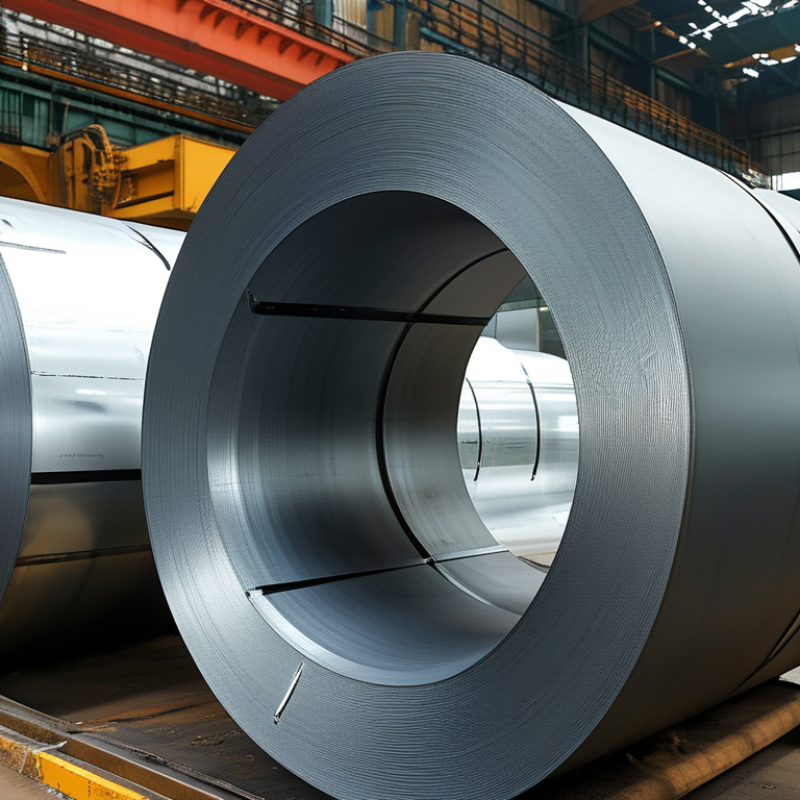
Understanding Hot Rolled Mild Steel Coils: An Overview
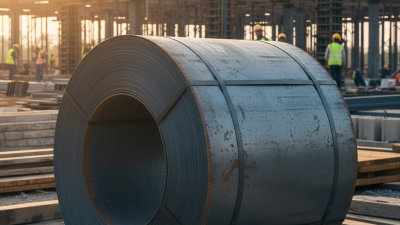
Hot rolled mild steel coils are essential in various industries. These coils undergo a unique manufacturing process. This technique involves rolling steel at high temperatures. As a result, they retain excellent malleability and ductility.
Applications of hot rolled mild steel coils are diverse. Common uses include structural components, automotive parts, and machinery frames. They are also used in construction, producing beams and sheets. Their strength makes them suitable for heavy-duty applications. However, they are prone to corrosion when unprotected. This is an important consideration for buyers.
Understanding the properties of hot rolled mild steel coils is crucial. Their surface finish is typically rough, which can be a downside for some applications. Yet, this characteristic can also be beneficial in specific metalworking processes. Users must weigh the pros and cons carefully. Awareness of each application's requirements will lead to better decisions in material selection.
Key Characteristics of Hot Rolled Mild Steel Coils
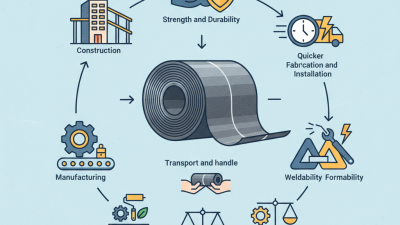
Hot rolled mild steel coils are popular due to their versatility and unique properties. One key characteristic is their amazing malleability. This means they can be shaped into various forms without breaking. They are also praised for their excellent weldability. This makes them perfect for construction and manufacturing projects.
Another characteristic to note is their surface finish. Hot rolling often results in a rough surface. This can be a drawback in some applications, as it may require additional processing. However, for many structural uses, this rough texture provides good adhesion for coatings or paint.
Tips: Always consider the thickness of the coil for your specific application. Weight can vary significantly with size. Understanding your exact requirements will help in choosing the right coil. Additionally, be cautious of any rust spots. Even minor corrosion can weaken the steel's integrity over time.
Best Hot Rolled Mild Steel Coil Uses and Applications Guide
| Application |
Description |
Key Characteristics |
Benefits |
| Construction |
Used for structural frames and supports |
High strength, ductility |
Cost-effective, versatile |
| Automotive |
Fabrication of car frames and components |
Good weldability, formability |
Lightweight, fuel efficiency |
| Machinery |
Used in manufacturing machines and tools |
Toughness, impact resistance |
Durability, longevity |
| Shipping and Transportation |
Construction of shipping containers and frames |
Corrosion resistance, structural integrity |
Safe transport, reduced maintenance |
| Construction of Furniture |
Used for metal furniture making |
Aesthetic appeal, strength |
Stylish designs, functional |
Common Industrial Applications of Hot Rolled Mild Steel Coils
Hot rolled mild steel coils are extensively used in various industrial applications. They offer versatility and strength, making them a popular choice among manufacturers. One major use is in the automotive industry. These coils are vital for producing vehicle components, such as frames and body parts. The malleability of hot rolled steel allows for complex shapes and designs, which are crucial in automotive engineering.
Construction is another significant sector that employs hot rolled mild steel coils. Builders rely on these materials for structural components. They create beams, columns, and reinforcements that ensure the safety and longevity of structures. Their ability to withstand high stress is essential in architecture. However, choosing the right type requires careful consideration. Some may overlook the importance of thickness and grades, potentially compromising structural integrity.
Manufacturers in various sectors often use hot rolled mild steel coils for pipes and tubing. These applications benefit from the steel's weldability and formability. However, there can be challenges in chemical treatment and coating. Without proper care, corrosion may become an issue. Industries must remain vigilant in their maintenance practices to enhance longevity.
Advantages of Using Hot Rolled Mild Steel Coils in Construction
Hot rolled mild steel coils are widely used in construction due to their unique advantages. Their strength and malleability play a crucial role in various structural applications. According to a report by the American Institute of Steel Construction, hot rolled steel accounts for approximately 50% of all steel used in construction. This highlights its significance in the industry.
One key advantage of hot rolled mild steel coils is their cost-efficiency. They require less processing, resulting in lower production costs. This is particularly beneficial for large-scale projects. However, the surface finish may not be perfect. This could lead to considerations for additional treatments or coatings for corrosion resistance. Some engineers argue that the initial cost savings may result in higher long-term maintenance expenses.
Another benefit is the ease of fabrication. These coils can be easily cut, shaped, or welded, making them versatile for varied construction needs. The structural integrity provided by hot rolled steel can support heavy loads, which is vital in skyscrapers and bridges. Yet, it’s important to evaluate the specific project requirements. Not every structure may benefit from hot rolled options.
Best Practices for Handling and Processing Mild Steel Coils
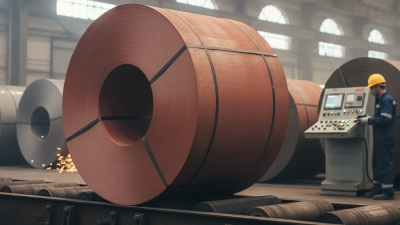
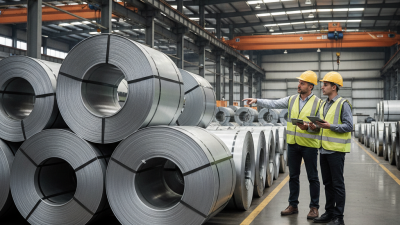
Handling and processing mild steel coils requires careful attention to detail. Proper training for staff is crucial. Workers should understand the properties of hot rolled mild steel. They need to know how temperature affects its flexibility and strength. Mild steel coils can be heavy and awkward to move. This can lead to accidents if not managed well. Always use appropriate lifting equipment. Safety gear is not optional; it is essential.
When cutting or welding these coils, choose the right tools. Blades and torches should match the steel's thickness. Regularly inspect equipment for wear and damage. This ensures safety and enhances precision. Once coils are processed, they might develop surface rust. Utilize protective coatings to prevent this. Even a small oversight can result in delays during production. Consistency in handling practices improves quality control.
Communication is vital during this process. Ensure everyone involved understands their role. Regular meetings can address any challenges. Mistakes can happen, and reflecting on them is key. Encourage a culture where employees voice concerns about safety and processes. This not only fosters improvement but also builds a sense of ownership among the team.



 +86 18865111877