How to Source High Quality Steel Coil Hot Roll for Your Needs?
Sourcing high-quality Steel Coil Hot Roll is crucial for manufacturers across various industries. According to the World Steel Association, global steel demand is projected to reach 1.9 billion tons by 2023. This surge highlights the need for reliable sources of high-quality materials in production processes.
When selecting Steel Coil Hot Roll, consider factors such as thickness, width, and the specific alloy properties. The right specifications can influence product performance and longevity. It’s essential to assess suppliers by their history and customer reviews. Some may claim high quality but fail to deliver consistently.
Price is another factor to analyze carefully. A lower price may seem attractive, but it may compromise quality. Recent reports indicate that subpar steel can lead to significant losses in finished product durability. Reflecting on sourcing practices is crucial for ensuring your needs are met effectively.
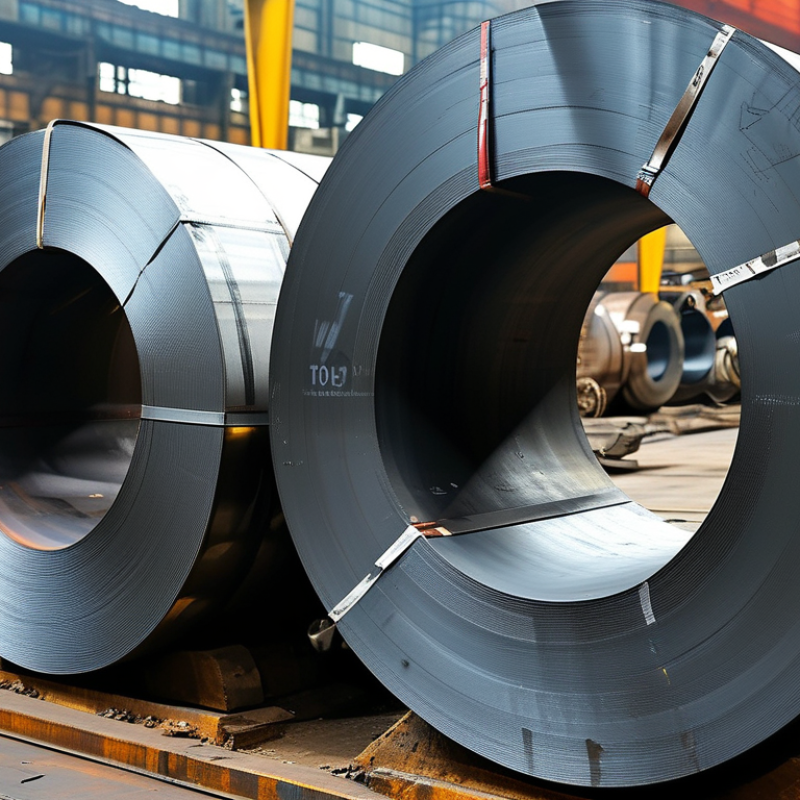
Identifying Your Specific Requirements for Hot Rolled Steel Coils
When sourcing hot rolled steel coils, understanding your specific requirements is essential. Different projects demand different grades and thicknesses. Define your project needs upfront. Consider the application of the steel, whether it’s for construction, manufacturing, or automotive uses. Each has unique requirements.
Think about dimensions first. Measure the exact width and thickness you need. Hot rolled steel comes in various specifications. Be clear on the quality grade, as that affects durability. A grade mismatch can be costly in the long run. Also, factor in the location of use. Environmental influences, like exposure to moisture, require specific coatings or finishes.
Do not overlook the importance of reliable suppliers. Research potential vendors thoroughly. Look for industry experience and certifications. Communicate openly about your needs, and seek advice from experts. Mistakes made in choosing suppliers could lead to delays or quality issues. Trust and transparency should guide your decisions, ensuring you procure the right products for your projects.
Understanding Different Grades and Specifications of Steel Coils
When sourcing high-quality hot roll steel coils, understanding grades and specifications is crucial. Steel coils come in various grades, each suited for different applications. Common grades include S235, S275, and S355. The higher the number, the stronger the steel. Specific grades also indicate the carbon content, impacting strength and weldability. Selecting the right grade ensures that your project meets structural requirements and safety standards.
Tips: Always check the certification of the steel. Reliable suppliers provide documentation. This helps you verify the material’s grade before purchase. Consider the thickness and width of the coils. These specifications can affect how the steel performs in your project.
It's important to note that: not all suppliers maintain the same standards. Poor quality steel can lead to structural failures or increased maintenance costs. Make sure to seek recommendations and reviews about potential suppliers. Inquire about their sourcing and testing processes as well. This will help identify those who prioritize quality and reliability.
Evaluating Reliable Suppliers and Manufacturers for Steel Coil Sourcing
When sourcing high-quality steel coil hot roll, it's crucial to evaluate suppliers and manufacturers carefully. The steel industry has seen significant growth, with a projected global market value expected to reach over $1 trillion by 2025. This data indicates a competitive landscape, emphasizing the need for quality sourcing.
Look for suppliers with a proven track record. Industry certifications like ISO 9001 can indicate reliability. Research supplier history and customer reviews for insights into their practices. Many reputable manufacturers provide transparency about their materials and processes. Ask for quality assurance reports to ensure consistency and performance.
Price shouldn't be the sole factor. Often, lower prices can equate to lower quality. Consider the long-term impact of your choices on productivity and safety. A comprehensive assessment of the supplier’s capabilities is essential. It's wise to request samples to validate the steel's properties before finalizing your decision. This step can prevent costly issues later on. Quality sourcing can make or break your project, influencing overall success.
Evaluation of Steel Coil Quality Sourcing
Inspecting Quality Standards and Certifications for Steel Products
When sourcing high-quality steel coil hot roll, it's imperative to focus on inspecting quality standards and certifications. Certifications such as ISO 9001 can indicate a manufacturer’s commitment to quality management. Look for specifications like ASTM A1011, which outlines mechanical properties, and ensures that the steel meets essential performance criteria.
Visual inspections are also critical. Check for surface defects, such as rust or pitting. These can compromise quality. Pay attention to dimensions as well—too much variance can lead to issues in production. Ask for test reports showing yield strength and tensile strength. Reliable suppliers should readily provide these documents.
Quality checks are not always straightforward. Some products may meet standards on paper, yet fail in real-world applications. Use samples to test for performance. Get feedback from your production team about any issues they note. Even small imperfections can lead to significant problems later. Always stay diligent in your search for quality.
Comparing Costs and Logistics for Procuring Steel Coils Efficiently
When sourcing high-quality hot roll steel coils, understanding costs and logistics is vital. Prices can fluctuate based on market demand, material quality, and supplier contracts. It’s crucial to gather multiple quotes from various suppliers. This helps ensure you understand the price range. Researching recent market trends provides insights into potential price changes. Not every supplier will offer the same value, so weigh your options carefully.
Logistics can significantly impact your overall costs. Delivery times can vary and can affect your production schedule. It’s advisable to discuss shipping options upfront. Consider suppliers' locations, as this affects shipping costs and lead times. Sometimes, local suppliers may offer faster service, but at a higher price. Evaluate the trade-off between speed and cost.
Also, factor in storage solutions. Efficient storage reduces the risk of damage and helps maintain quality. Planning for inventory management is essential. Not every supplier provides suitable storage. Assess their facilities based on your requirements. Balancing cost and logistics requires ongoing reflection and adjustment. Look into your procurement process regularly for improvements.



 +86 18865111877