Top 10 Hot Rolled Coil Steel Suppliers in China for Global Buyers?
The global demand for Hot Rolled Coil Steel is on the rise. As manufacturers and suppliers strive to meet this demand, the competition intensifies. Renowned industry expert, Dr. Emily Zhang, once stated, "Quality in Hot Rolled Coil Steel is what sets the leaders apart." This highlights the critical importance of choosing the right supplier.
In China, numerous suppliers are emerging as leaders in the Hot Rolled Coil Steel market. These companies not only provide quality products but also adapt to the needs of international buyers. However, navigating this vast landscape poses challenges. With various options, buyers must consider reliability and consistency alongside price.
Key factors for success include production capacity, surface quality, and delivery timelines. Each supplier offers unique advantages, but not all meet the rigorous standards expected by global customers. Reflecting on these aspects can aid buyers in making informed choices. Selecting a supplier is more than just a transaction; it is about forming partnerships built on trust and quality.
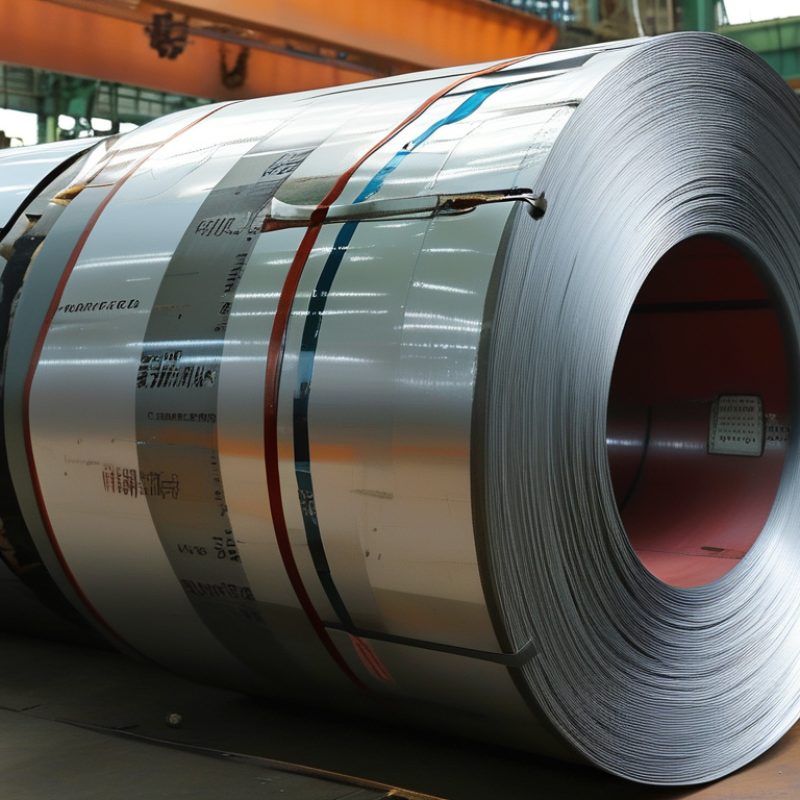
Overview of Hot Rolled Coil Steel Market in China
The hot rolled coil steel market in China has experienced significant growth. In recent years, the demand for hot rolled coils has surged, largely driven by the construction and automotive industries. Reports indicate that China is the largest producer of hot rolled steel, contributing over 50% of global production. This dominance provides global buyers with diverse options for sourcing.
However, the market is not without challenges. Fluctuating raw material prices and environmental regulations have impacted production costs. In 2022, the average price for hot rolled coil steel was approximately $700 per ton, showing volatility amid changing market conditions. Suppliers must navigate these dynamics carefully to remain competitive.
China’s hot rolled coil production also faces an increasing emphasis on sustainability. Steel manufacturers are exploring innovative techniques to reduce emissions. Despite advancements, many face hurdles in implementing sustainable practices effectively. This ongoing evolution in the industry reflects both opportunities and challenges for suppliers and buyers alike.
Key Factors Influencing Supplier Selection for Global Buyers
Choosing the right hot rolled coil steel supplier in China requires careful consideration of several factors.
Quality is paramount. Buyers should assess the consistency of the steel produced. A reliable supplier often has rigorous quality control measures in place.
This reduces the risk of defects in the material. Certifications from recognized bodies can indicate a commitment to quality.
Pricing plays a significant role in supplier selection. Competitive pricing does not always mean the best value.
It's critical to evaluate what is included in the price. Hidden costs can significantly impact the overall expense.
Transparency in pricing builds trust and reliability.
Lastly, the supplier's responsiveness matters. Establishing strong communication can prevent misunderstandings.
Delays in responses can indicate larger issues within the supply chain. Buyers should seek suppliers who demonstrate a willingness to engage actively.
This relationship can ultimately affect the efficiency of procurement processes.
Top 10 Leading Hot Rolled Coil Steel Suppliers in China
China's hot rolled coil steel market is a vital component of the global steel supply chain. Recent reports indicate that China's production of hot rolled coil steel has reached impressive levels. The country produced nearly 900 million metric tons in 2022, maintaining its position as a world leader. This level of output offers various suppliers an opportunity to dominate in this competitive arena.
Leading suppliers in this sector demonstrate key strengths. Many invest in state-of-the-art technology and sustainable practices to enhance production efficiency. However, challenges remain. For example, fluctuations in raw material costs can significantly impact profit margins. Suppliers must adapt quickly to market changes. How they navigate this volatility often determines long-term success.
Quality remains a central focus for top suppliers. Many prioritize rigorous quality control measures to ensure product consistency. Yet, industry reports reveal that not all suppliers maintain the same level of quality assurance. This inconsistency can lead to varying customer experiences. By emphasizing product reliability and customer support, suppliers can better position themselves in the market.
Comparative Analysis of Suppliers in Terms of Quality and Pricing
When considering hot rolled coil steel suppliers in China, quality and pricing stand out as critical factors. Many suppliers offer a wide range of products, but not all meet international quality standards. It’s essential to research and compare certifications. Look for suppliers with ISO certifications or equivalent. This often signifies a commitment to quality and consistency.
Pricing can fluctuate significantly. A lower price may come with compromises in quality. Higher prices, however, do not always guarantee superior steel. Engaging directly with suppliers for detailed quotes can be beneficial. It allows for negotiation and comparison to ensure you’re getting fair value.
Tips: Always request samples before making bulk purchases. This ensures the product meets your specifications. Keep track of market trends. Fluctuating steel prices can impact overall costs. Knowing when to buy can save substantial amounts.
Trends and Future Outlook for Hot Rolled Coil Steel Exports from China
The hot rolled coil steel market in China is evolving. Recent reports suggest a notable increase in exports, driven by global demand. In 2022, China exported over 18 million tons of hot rolled coil steel. The growth was primarily fueled by markets in Asia and Europe, where construction and automotive production surged. This trend is expected to continue as economies recover post-pandemic.
However, challenges remain. Supply chain disruptions and fluctuating raw material prices pose risks. The price of iron ore, a key production input, has seen variability. Recent statistics revealed that in the first half of 2023, prices fluctuated between $100 and $130 per ton. Such volatility can affect production costs and, ultimately, export pricing strategies.
Additionally, environmental regulations are shaping the future. China aims to reduce carbon emissions, potentially impacting steel production methods. Reports indicate that the industry must invest in greener technologies. Adaptation to these regulations may increase costs in the short term while fostering a more sustainable future. The global community watches closely to see how suppliers will navigate these complexities.
Top 10 Hot Rolled Coil Steel Suppliers in China - Market Share Overview



 +86 18865111877