Top Tips for Sourcing High Quality Steel Plate Carbon?
When sourcing high-quality Steel Plate Carbon, understanding the nuances of the industry is crucial. Expert Richard Thompson, a leading metallurgist, emphasizes, “Quality steel starts with quality sourcing.” His experience highlights the importance of selecting the right suppliers.
The Steel Plate Carbon market is competitive. Many factors impact the quality, including mill reputation and material specifications. Buyers must do diligent research. This includes reviewing certificates of compliance and testing reports. These steps are vital for ensuring the material meets project requirements.
Despite the emphasis on quality, some suppliers may offer steel that seems up to standard but isn't. This discrepancy can lead to significant cost overruns in projects. Buyers should challenge suppliers to provide detailed documentation. A proactive approach in sourcing can make a substantial difference in project success.
Understanding the Importance of High Quality Steel Plate Carbon
High-quality steel plate carbon is crucial in various industries, particularly in construction and manufacturing. The structural integrity of projects often relies on the strength and durability of the materials used. According to a report by the World Steel Association, top-quality steel can improve the lifespan of structures by 30%. This statistic underscores the importance of sourcing reliable steel plate carbon.
When sourcing steel plate carbon, consider the certifications required. A notable report from ASTM International highlights the significance of adherence to industry standards. Certifications like ASTM A36 or A516 ensure that the steel meets specific performance criteria. Sourcing from suppliers with these certifications can minimize risks, enhancing project reliability.
However, not all suppliers provide quality materials. It’s essential to vet suppliers thoroughly. Some may claim to offer high-grade products but fail to meet expectations. Understanding the chemical composition and mechanical properties of steel can guide buyers. Regular testing, though often overlooked, should be part of procurement. Engage with metallurgists or industrial engineers for insights.
Top Tips for Sourcing High Quality Steel Plate Carbon
| Quality Indicators |
Importance |
Sourcing Tips |
| Chemical Composition |
Determines strength and weldability. |
Request a certified mill test report to verify composition. |
| Thickness Tolerance |
Ensures compatibility with design specifications. |
Check tolerances according to applicable standards. |
| Surface Quality |
Affects performance and aesthetic appeal. |
Inspect sample plates before final decision. |
| Mechanical Properties |
Critical for durability and safety. |
Inquire about standard testing methods employed. |
| Certifications |
Indicates compliance with international quality standards. |
Ensure supplier holds relevant ISO certifications. |
Key Specifications to Consider When Sourcing Steel Plate Carbon
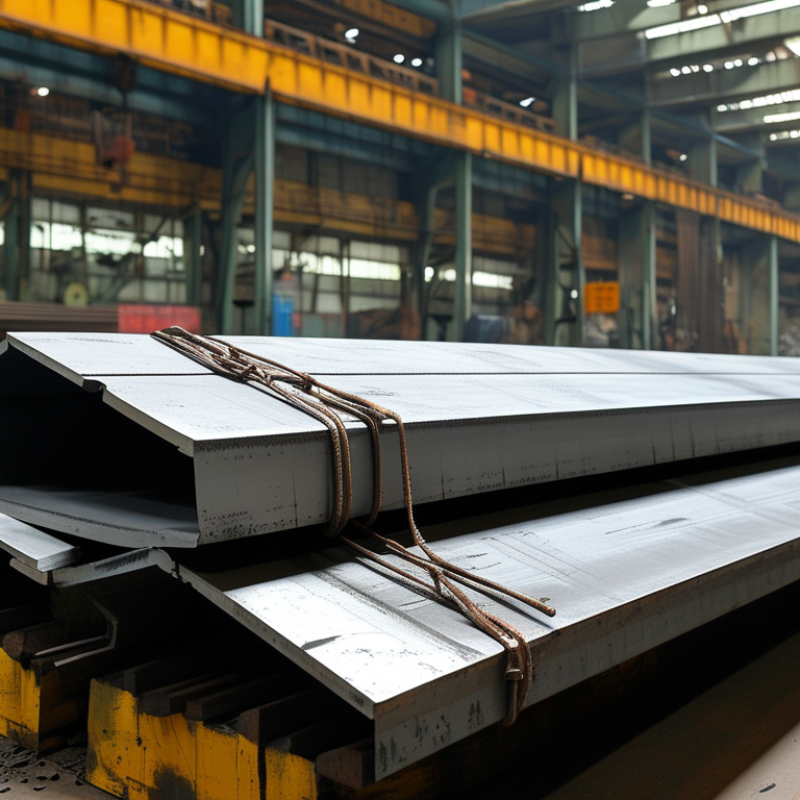
When sourcing high-quality carbon steel plates, specific specifications are crucial. Start by examining the thickness and width of the plates. Standard dimensions often range from 1/8 inch to several inches thick. Ensure the plates meet your project's requirements. Look into the weight of the steel as it affects handling and transportation. Heavier plates may require special equipment for installation.
Chemical composition is another important criterion. A balanced ratio of carbon, manganese, and other elements enhances strength and durability. Too much carbon can make the steel brittle, which could lead to issues later. Pay attention to yield strength and tensile strength ratings. High yield strength indicates resistance to deformation, while good tensile strength shows ability to withstand forces.
Moreover, consider the surface condition of the plates. A clean finish without defects is vital for certain applications. Any flaws can undermine the integrity of the final product. Even minor scratches or dents can be critical in high-stress environments. Always ask for certifications, ensuring the steel meets industry standards. Reflect on the sourcing process to ensure you're obtaining the best material for your needs.
Top Tips for Sourcing High Quality Steel Plate Carbon
This chart illustrates the key specifications to consider when sourcing high-quality carbon steel plates. The data represents the average percentages of different properties that are crucial for quality assessment.
Identifying Reliable Suppliers for Steel Plate Carbon
When sourcing high-quality steel plate carbon, identifying reliable suppliers is crucial. Several industry reports highlight that around 30% of materials fail to meet quality standards. This undermines project integrity. Hence, working with reputable suppliers is essential for success.
Start by examining the supplier's certifications. Look for ISO certification or adherence to ASTM standards. These certifications indicate a commitment to quality and reliability. Additionally, supplier reviews and ratings can provide insight into their reputation. Engaging in supplier audits can also uncover potential issues.
Networking within industry circles can yield valuable recommendations. Attend trade shows to establish connections. Personal interactions often reveal insights that online reviews might not capture. Trust your instincts, as some suppliers may appear promising but lack consistent quality.
Tip: Always request samples before committing. This allows you to assess quality firsthand. A small investment in samples can prevent larger losses later. Another tip is to discuss your specific needs openly with the supplier. This clarity fosters better communication and understanding.
Evaluating Quality Assurance Standards in Steel Production
Quality assurance standards play a critical role in steel production. Ensuring that the steel plate carbon you source meets rigorous testing criteria is vital. High-quality steel must exhibit durability and resistance. Adhering to nationally and internationally recognized standards can signify a reliable product.
Inspection processes are fundamental to quality assurance. Steel plates should undergo various tests, including hardness and tensile strength. These assessments reveal much about the material’s properties. However, it’s important to note that not all suppliers prioritize these measures. Always inquire about their testing protocols.
Moreover, certifications provide valuable insight. They demonstrate compliance with industry regulations. But, be aware that not all certifications hold the same weight. Some may lack thorough oversight. It’s essential to distinguish between valid certifications and those lacking substance. Engaging with reputable suppliers can help. They are more likely to adhere to stringent quality standards.
Best Practices for Negotiating Prices and Contracts for Steel Plate Carbon
When negotiating prices and contracts for carbon steel plates, it’s essential to have a well-defined strategy. Understanding market trends can significantly influence your negotiation power. Research current prices in your area. This knowledge provides leverage during discussions. If you notice fluctuations, be prepared to adjust your approach. Always ask for multiple quotes. This ensures you have alternatives when negotiations stall.
Building strong relationships with suppliers can also lead to better deals. Engage in open communication about your needs and budget constraints. Sometimes, suppliers may offer discounts for bulk orders or long-term contracts. Look for opportunities to establish trust and reliability. However, don’t hesitate to negotiate terms. If a proposed contract feels one-sided, voice your concerns. Flexibility can often lead to mutually beneficial agreements.
Be aware of your own limits as well. Sometimes, you may feel pressured to accept unfavorable terms. Reflect on whether those terms align with your goals. Don’t rush the process; take your time to evaluate offers thoroughly. Ensure that the terms are clear and do not leave room for ambiguity. A well-structured contract should protect your interests and clarify expectations.






 +86 18865111877