How to Choose Hot Rolled Steel Plate for Your Projects?
Choosing the right hot rolled steel plate is crucial for any construction or manufacturing project. According to a recent report by the American Institute of Steel Construction, the demand for hot rolled products has increased by 15% in the last five years. This upward trend highlights the importance of selecting quality materials for durability and performance.
Expert Paul Thornton, a leading figure in the steel industry, states, "The right hot rolled steel plate not only enhances structural integrity but also optimizes cost efficiency." Many projects fail when materials are chosen based on price alone, neglecting the quality aspect. Inferior plates can lead to significant safety risks and costly repairs.
Understanding your project’s specific requirements is essential. Hot rolled steel plates vary in thickness, width, and mechanical properties. Making the wrong choice can lead to inefficiencies and unexpected challenges. As we delve into the intricacies of hot rolled steel plates, consider both technical specifications and real-world applications to ensure optimal results.
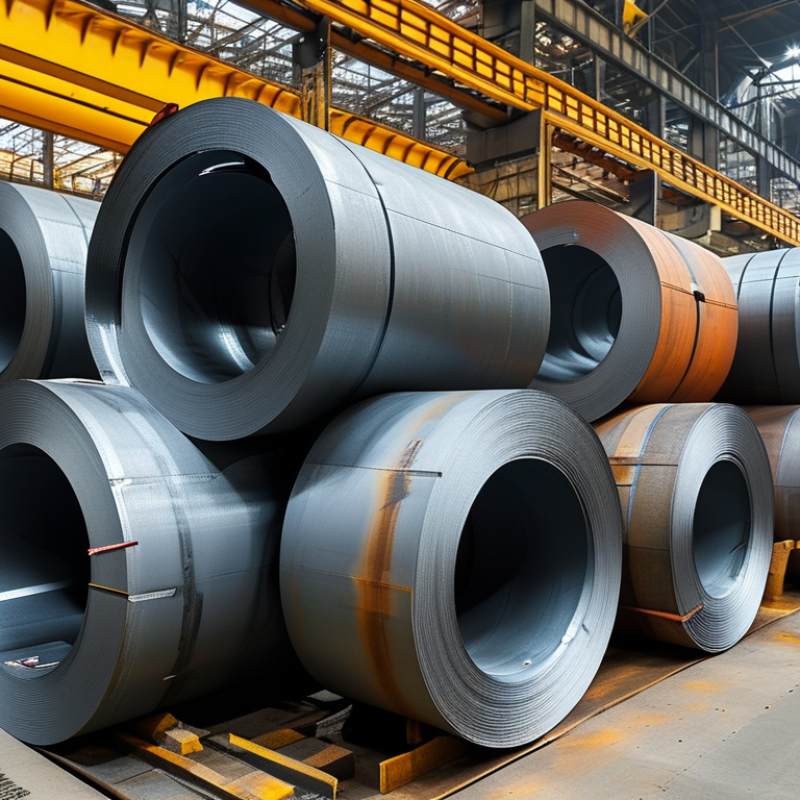
Understanding Hot Rolled Steel Plate Characteristics
When choosing hot rolled steel plates, understanding their characteristics is crucial. Hot rolled steel is formed through a heating process, which makes it malleable. The process allows for various thicknesses and dimensions. This flexibility can be beneficial in projects where custom sizes are essential. The finish can often be rough and may require further processing.
Hot rolled steel exhibits certain traits that can influence its application. It typically has lower yield strength compared to cold rolled steel. This can be a disadvantage if high tolerance and strength are needed. However, its lower cost and easy availability make it appealing for large construction projects.
One must also consider the environmental factors. Hot rolled steel can react to moisture or chemicals found in surrounding environments. Rust and corrosion are common issues. Surface treatments or protective coatings may be necessary for longevity. Understanding these aspects helps in making informed decisions tailored to project requirements.
How to Choose Hot Rolled Steel Plate for Your Projects? - Understanding Hot Rolled Steel Plate Characteristics
| Characteristic |
Description |
Application |
| Thickness |
Commonly ranges from 1.5 mm to 100 mm |
Used in construction, machinery, and equipment fabrication |
| Width |
Standard widths range from 1000 mm to 3000 mm |
Ideal for large structural components |
| Length |
Custom lengths can be ordered, typically up to 12 m |
Useful for varied engineering projects |
| Weight |
Weight is calculated per plate based on dimensions |
Important for transport and handling considerations |
| Surface Finish |
Generally has a low-quality finish with scale |
Suitable for applications where aesthetics are not critical |
| Strength |
High yield strength compared to cold rolled steel |
Used in heavy-load applications and support structures |
Evaluating Project Requirements for Material Selection
When selecting hot rolled steel plate for your project, assessing project requirements is crucial. Understanding the intended application shapes your choice. Different projects demand various steel thicknesses and grades. For example, a structural application may require heavier plates than ornamental use.
Consider the environment too. Will the steel be exposed to moisture or chemicals? These factors influence durability and longevity. Be cautious about cost versus quality. Sometimes, lower prices lead to subpar performance, necessitating further investments down the line.
Tips: Assess your project's specific needs thoroughly. Document all requirements before making a decision. Consult with experts if necessary. Also, stay informed about material sourcing. Quality can fluctuate. Ensure you choose a reliable supplier who prioritizes high standards. Understanding these aspects may save you time and costs later.
Comparing Different Grades of Hot Rolled Steel Plates
When selecting hot rolled steel plates, understanding the different grades is crucial. Each grade has unique properties that cater to various applications. For structural purposes, A36 is common due to its excellent weldability and machinability. Its composition allows it to withstand diverse conditions, making it a reliable choice for construction.
Another grade to consider is S235. While comparable to A36, S235 offers better yield strength. This feature makes it suitable for applications requiring more load-bearing capabilities. However, it's important to note that S235 might be less ductile than A36, which could be a drawback for specific projects. Always analyze the project's requirements to determine which grade fits best.
Furthermore, keep in mind the environmental impact of your choice. Grades can differ in their resistance to corrosion and weathering. This factor can significantly affect the longevity of the materials. Sometimes, a less expensive grade might not be the most cost-effective in the long run. Weighing all factors carefully will help ensure a successful outcome.
Comparison of Different Grades of Hot Rolled Steel Plates
Assessing Supplier Reliability and Product Availability
When selecting hot rolled steel plate, reliability of your supplier is critical. Start by checking their track record. Look for reviews that speak to their quality and service. A trustworthy supplier often has positive feedback from numerous clients. It’s wise to seek out recommendations from industry peers. Respected suppliers tend to prioritize customer satisfaction.
Next, evaluate product availability. Consistent inventory means you can meet project deadlines. Speak directly to suppliers about their stock levels. Ask how they handle backorders too. If a supplier frequently runs out of product, this could indicate poor management. Pay attention to their communication style. Effective communication is a key sign of a reliable supplier.
Sometimes, even reputable suppliers might not meet every requirement. Have a contingency plan for unexpected issues. Maybe another supplier could fill the gap successfully. This flexibility can safeguard your projects. Understanding these aspects helps mitigate risks associated with sourcing steel plates. Always aim for a balanced approach in your supplier relationships.
Calculating Budget and Cost Considerations for Purchase
When planning a project that requires hot rolled steel plate,
budget and cost considerations are crucial. The price of steel is influenced by various factors.
According to the World Steel Association, global steel prices can fluctuate significantly based on demand, production costs, and geopolitical factors.
This volatility necessitates careful budget planning to avoid unexpected expenses.
An example of cost variation comes from recent reports indicating that hot rolled steel prices ranged between $700 to $1,000 per ton.
This range can impact your overall project budget, especially if large quantities are needed.
Breaking down the complete cost involves analyzing not just the material price but also transportation and potential storage fees.
These additional expenses can add up quickly.
When evaluating suppliers, the cheapest option may not always guarantee the best value.
Sometimes, lower-priced steel can result in higher processing costs or more waste due to inferior quality.
Thus, it’s essential to assess the long-term benefits of investing slightly more upfront for higher quality.
Reviewing past projects and adjusting the budget according to real data can help refine estimates and avoid these missteps.




 +86 18865111877