What Are the Benefits of Hot Rolled Steel In Coils for Buyers?
Hot Rolled Steel In Coils has become a popular choice for manufacturers and builders. Its unique properties offer various advantages that are worth exploring. This steel form is known for its versatility, strength, and cost-effectiveness. Buyers often appreciate its ability to be shaped easily during construction.
In the competitive market, understanding the benefits of Hot Rolled Steel In Coils is crucial. For instance, it provides excellent weldability, which simplifies fabrication processes. Additionally, the uniform thickness ensures consistent quality, which is essential for large-scale projects. However, one must consider the trade-offs, such as surface imperfections that can occur during production. When evaluating options, buyers should weigh these factors carefully.
The market for Hot Rolled Steel In Coils continues to grow. As industries evolve, the demand for reliable materials increases. Companies that invest in quality steel can enhance their production efficiency while minimizing waste. Ultimately, the decision to choose Hot Rolled Steel In Coils should be informed by thorough research and expert guidance.
Understanding Hot Rolled Steel: Definition and Characteristics
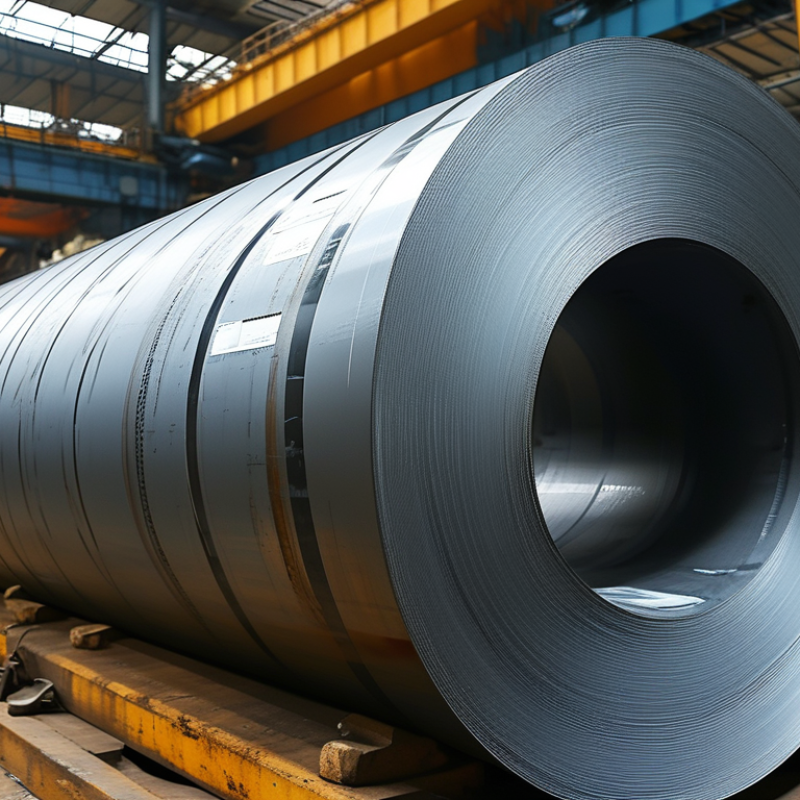
Hot rolled steel is a vital material in various industries. Understanding its characteristics is essential for buyers looking to invest wisely. This steel is produced by heating ingots above their re-crystallization temperature. The result is a malleable product that can be easily shaped into coils.
The properties of hot rolled steel include a rough surface finish and reduced internal stresses. This means it’s less prone to warping during machining. Buyers often appreciate these qualities because they contribute to better performance in applications like construction and manufacturing. However, this rough surface may require further treatment for aesthetic purposes.
While hot rolled steel offers numerous advantages, buyers must consider its limitations. The final dimensions can have a slight variation due to the cooling process. Also, the rough finish may not suit all projects requiring high precision. Buyers should weigh these factors against their specific needs before making a decision. Understanding both the benefits and drawbacks allows for a more informed choice.
Advantages of Hot Rolled Steel in Coils for Industrial Applications
Hot rolled steel in coils offers distinct advantages for industrial applications. This form of steel is known for its malleability, making it easier to shape and fabricate. According to industry reports, hot rolled steel accounts for nearly 70% of the global steel production, showcasing its significance in manufacturing processes. The extensive use of hot rolled steel is evident in sectors like construction and automotive, where it serves as a key material for structural frameworks and automotive components.
One significant benefit of hot rolled steel is its cost-effectiveness. The manufacturing process requires less energy and time than cold rolled alternatives. As a result, companies can experience lower production costs. Additionally, hot rolled steel is often produced in larger volumes, leading to economies of scale. However, buyers should consider the trade-off between surface finish and flexibility, as hot rolled steel may not be suitable for applications requiring tight tolerances or a smooth surface.
Tip: When sourcing hot rolled steel, evaluate the material properties. Ensure they align with your application needs. It’s also wise to inquire about pre-treatments, which may enhance surface quality.
Another advantage lies in its excellent mechanical properties. The inherent toughness and ductility make it ideal for high-stress applications. Industry studies highlight that hot rolled steel can withstand considerable deformation without fracturing, a crucial factor in demanding environments. However, it’s essential to recognize that hot rolled steel may have reduced uniformity compared to cold rolled options, potentially impacting specific applications.
Tip: Always conduct a thorough analysis of mechanical properties before procurement. This approach can help determine suitability for your project's challenges.
Cost-Effectiveness of Hot Rolled Steel Coils for Manufacturers
Hot rolled steel coils offer significant cost-effectiveness for manufacturers. The production process is simpler and more efficient. This simplicity often leads to lower initial costs. Manufacturers can save time and money, allowing for more competitive pricing. Such advantages can lead to increased market share.
Bulk production of hot rolled steel coils further enhances savings. Manufacturers can purchase large quantities at reduced prices, benefitting from economies of scale. This approach minimizes overhead costs and maximizes profit margins. However, it does require careful inventory management to avoid excess stock. Manufacturers must assess their needs and avoid waste.
Another aspect is the versatility of hot rolled steel coils. They can be used in various applications, from construction to automotive parts. This flexibility allows manufacturers to cater to different sectors without significant investment. Nonetheless, a one-size-fits-all approach may not always be ideal. Each application has unique demands that must be met. Manufacturers should carefully consider their specific needs before committing resources.
What Are the Benefits of Hot Rolled Steel In Coils for Buyers?
| Benefit |
Description |
Cost-Effectiveness |
| Reduced Production Costs |
Hot rolled steel coils require less processing time and energy. |
Lower manufacturing costs lead to competitive pricing for buyers. |
| Increased Availability |
Hot rolled steel is widely produced and readily available. |
Mitigates delays in procurement, enhancing project timelines. |
| Versatile Application |
Suitable for various applications in construction and manufacturing. |
Reduces the need for multiple materials, simplifying sourcing. |
| Improved Mechanical Properties |
Hot rolling enhances ductility and strength of steel. |
Contributes to product longevity and reduces replacement costs. |
| Sustainability Benefits |
Hot rolled steel can be recycled and reused efficiently. |
Reduces overall environmental impact and waste disposal costs. |
| Good Surface Finish |
Offers a good aesthetic appearance for many applications. |
Minimizes additional surface treatment costs. |
Impact of Hot Rolled Steel on Manufacturing Efficiency and Flexibility
Hot rolled steel in coils offers significant advantages for manufacturing efficiency. One key benefit is its reduced production time. According to industry reports, hot rolled steel can be processed 25% faster than cold rolled alternatives. This speed enhances turnaround times, allowing manufacturers to meet tight deadlines effectively.
Flexibility is another critical factor. Hot rolled steel can be easily shaped and welded. This adaptability enables manufacturers to create a wide range of products. Research shows that over 60% of manufacturers report improved design capabilities thanks to the versatility of hot rolled steel. However, the surface finish may not always meet the requirements for specific applications.
Quality control remains a concern. While hot rolled steel is generally robust, inconsistency can occur. Some batches may have variations in thickness or surface imperfections. Companies need to analyze their supplier’s quality assurance processes. Trust is essential in mitigating risks associated with these imperfections. Ensuring compliance with industry standards can bolster reliability, fostering confidence in production capabilities.
Comparative Analysis: Hot Rolled Steel vs. Cold Rolled Steel
Hot rolled steel and cold rolled steel serve different purposes in industries. Understanding their unique characteristics is crucial for buyers. Hot rolled steel is created by rolling the steel at high temperatures. This process results in a less precise product but enhances flexibility. The lower cost associated with hot rolled steel makes it attractive for construction and heavy machinery.
On the other hand, cold rolled steel undergoes processing at room temperature. This method offers tighter tolerances and a smoother finish. It generally costs more due to the additional processing steps. However, that added investment leads to better strength and surface quality. Buyers need to evaluate their specific needs carefully.
Tip: Consider the end-use of the steel. Hot rolled steel is excellent for structural components, where strength is prioritized over precision. If your project demands tighter tolerances, opt for cold rolled steel.
It’s important to reflect on the material properties required for your project. No one steel type fits all applications. Analyze the trade-offs between cost and performance to make an informed decision. Hot rolled steel might sound ideal due to its price, but consider durability in the long run.




 +86 18865111877