Top 10 Hot Rolled Steel Coil Factories in China Which One Stands Out?
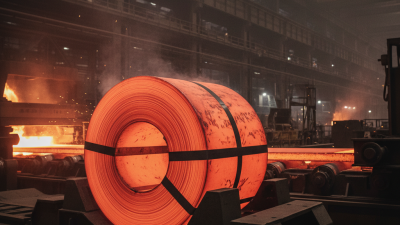
In the competitive landscape of the steel industry, identifying the best Hot Rolled Steel Coil Factory is crucial. This sector is significant, impacting various downstream industries. According to Jack Chen, a renowned expert in steel manufacturing, "Quality and consistency are the true hallmarks of a leading steel coil factory."
In China, there are numerous factories, each claiming to offer the best products. However, discerning which one stands out requires careful analysis. Factors such as production capacity, technology, and customer satisfaction play vital roles. These aspects reflect a factory's ability to deliver high-quality hot rolled steel coils consistently.
While many factories boast impressive technology and output, not all maintain the same level of excellence. Some may excel in quantity but falter in customer service or product quality. It's essential to evaluate these variables, ensuring companies select a Hot Rolled Steel Coil Factory that meets both their current and future needs. This exploration will highlight the top contenders in the industry, shedding light on their unique strengths and possible shortcomings.
Top 10 Hot Rolled Steel Coil Factories in China Overview
China's hot rolled steel coil industry has seen significant growth in recent years. In 2022, production reached over 200 million tons, showing a steady increase of 5% compared to the previous year. However, this rapid expansion has raised concerns about sustainability and environmental impact. Many factories have faced pressure to reduce emissions and adopt greener practices.
The market is competitive, yet several factories stand out due to their advanced technologies and efficiency. According to a recent industry report, the top factories enhance productivity through automation. About 40% of these facilities now incorporate AI-driven processes. This shift not only improves output but also reduces operational costs.
Quality control remains a crucial aspect of production. Some facilities struggle with maintaining consistent steel quality. Reports indicate that around 30% of factories have faced customer complaints regarding product irregularities. Addressing these issues is necessary for factories aiming to maintain their market position. The focus on quality and sustainability will likely shape the future of the hot rolled steel coil sector in China.
Production Capacity and Output Statistics of Leading Steel Mills
Hot rolled steel coil production is a critical sector in China's evolving manufacturing landscape. Leading steel mills in the country are focusing on maximizing their production capacities. Statistical data indicates that these factories have adopted advanced technologies to improve efficiency. Some mills boast annual output figures in the millions of tons. This impressive scale highlights their role in the global steel supply chain.
Despite the growth, challenges remain. Quality control is often inconsistent among factories, leading to discrepancies in products. Additionally, fluctuating raw material costs can impact production stability. The industry's reliance on automated processes also raises concerns about workforce displacement. As these factories strive for higher output, the balance between quantity and quality becomes essential. Understanding these dynamics helps stakeholders make informed decisions in this highly competitive market.
Market Demand and Export Trends for Hot Rolled Steel in China
The hot rolled steel market in China continues to evolve, driven by increasing construction activities. Many industries rely on hot rolled steel due to its versatility. Demand has surged as real estate projects rise. However, the export landscape shows fluctuations in global demands.
China remains a leading exporter of hot rolled steel. Yet, challenges persist. Trade policies and tariffs can influence export potential. Additionally, certain countries seek to boost their domestic production. This shift could impact Chinese steel's market share.
Sustainability is also a growing concern. Firms are expected to adopt greener practices. This requirement presents a dilemma for many factories. Balancing production demands with environmental responsibility is complex. The future may require innovative solutions to meet both market and environmental needs.
Market Demand and Export Trends for Hot Rolled Steel in China
Comparative Analysis of Production Techniques Among Major Factories
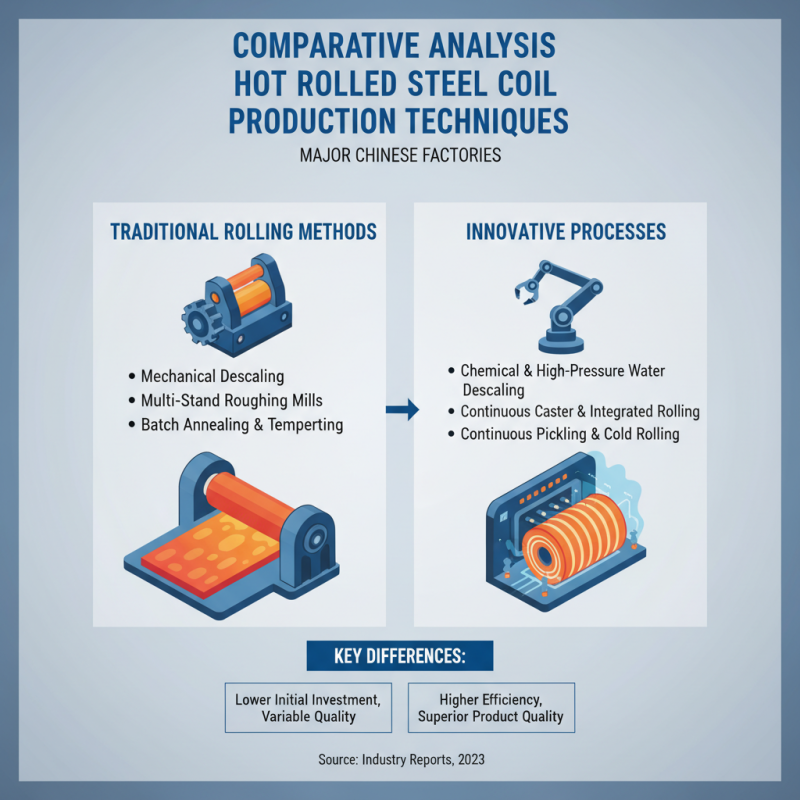
Hot rolled steel coils are a fundamental component in various industries. China houses some of the most advanced factories producing these coils. The production techniques vary widely among these factories, reflecting differences in technology and expertise. Some factories employ traditional rolling methods, while others utilize innovative processes to enhance efficiency and product quality.
The technique known as controlled rolling stands out among the production methods. This technique involves adjusting the temperature and time during the rolling process. By precisely controlling these variables, factories can improve the mechanical properties of the steel. This results in coils that can withstand high pressure and stress. Moreover, some facilities are adopting automated systems to monitor production, reducing human error and increasing reliability.
Despite advancements, challenges remain. A few factories struggle with quality consistency due to outdated machinery. Others may face issues with supply chain disruptions, impacting their ability to source raw materials efficiently. Continuous improvement in production techniques is crucial for factories to remain competitive. Understanding and addressing these challenges can help enhance the overall quality of hot rolled steel coils produced in China.



 +86 18865111877