Top Benefits of Hrc Hot Rolled Carbon Steel Coil for Your Projects?
Hrc Hot Rolled Carbon Steel Coil stands out as a vital material in today’s industrial landscape. It is widely recognized for its ability to provide structural integrity and durability. According to the World Steel Association, global crude steel production reached 1.9 billion tons in 2022, showcasing the steel market's robust nature. This growth underscores the increasing reliance on high-quality materials like Hrc Hot Rolled Carbon Steel Coil in various projects, from construction to automotive manufacturing.
Industry reports indicate that Hrc Hot Rolled Carbon Steel Coil offers exceptional strength and formability. These properties make it ideal for producing essential products such as beams, plates, and structural components. However, there are challenges to consider. For instance, while hot rolled steel is cost-effective, it may lack the fine dimension tolerances seen in cold rolled alternatives. This can complicate applications requiring high precision. Understanding these nuances is vital for project success.
Moreover, the ongoing push for sustainable practices in manufacturing impacts the steel industry. Producers aim to reduce their carbon footprint while maintaining quality. This underscores the need for reliable suppliers of Hrc Hot Rolled Carbon Steel Coil who can provide environmentally friendly solutions. As industries evolve, the role of high-quality steel remains critical, but continuous improvements are necessary to meet modern demands.
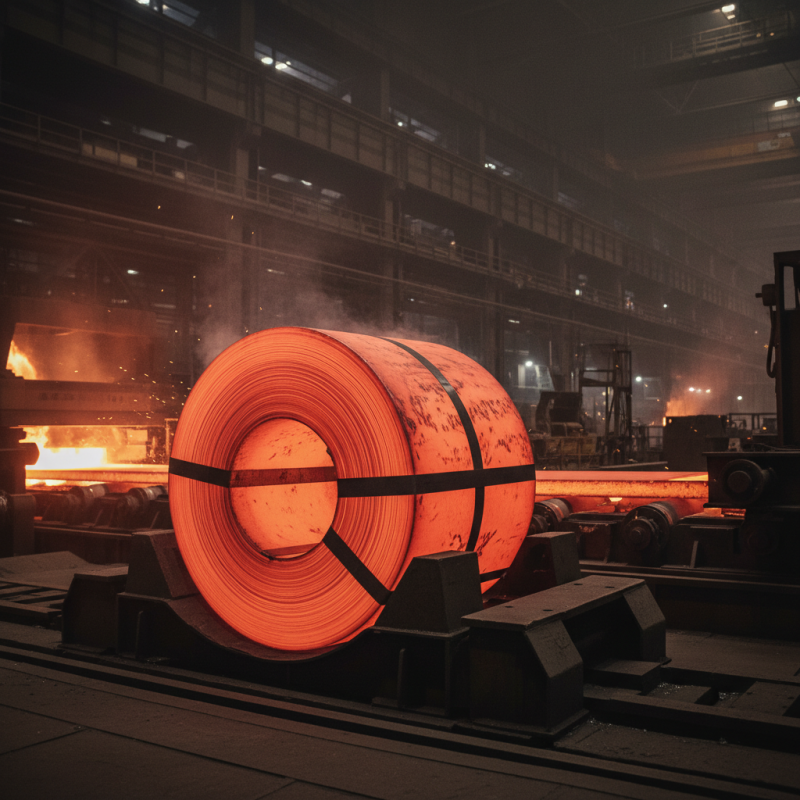
Understanding HRC Hot Rolled Carbon Steel Coil and its Properties
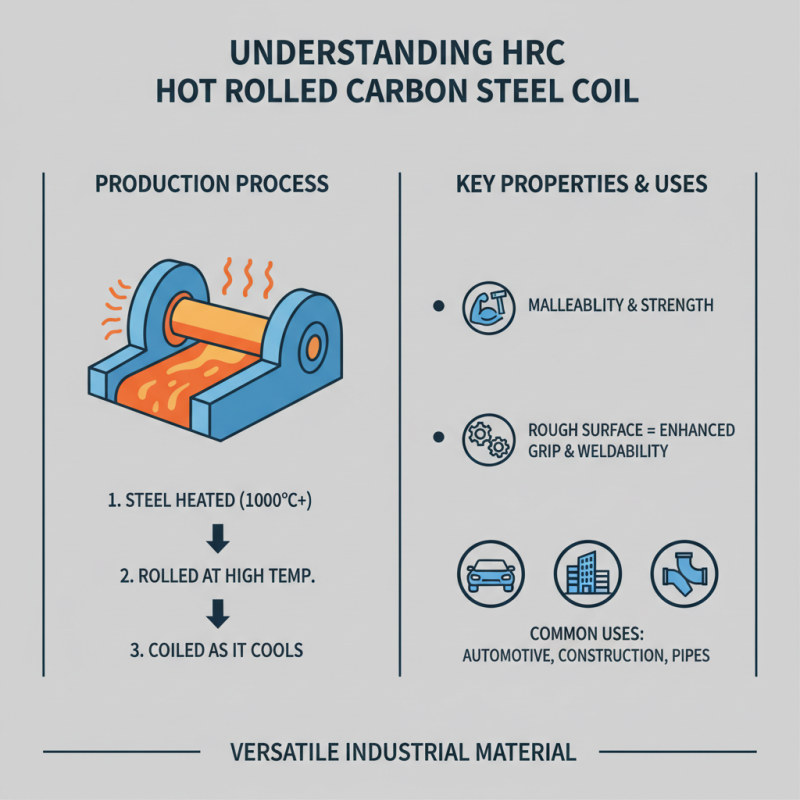
HRC hot rolled carbon steel coil is a versatile material known for its malleability and strength. It is produced by rolling steel at high temperatures, which enhances its mechanical properties. This process results in a thicker, denser structure that can withstand significant stress. The surface of HRC steel is often rough, which may not be ideal for all applications. However, this characteristic can be an advantage in situations where grip or weldability is essential.
Understanding the properties of HRC hot rolled carbon steel coil is crucial for engineers and builders. It has excellent workability, making it suitable for fabrication. Additionally, it shows good resistance to wear and tear, which can reduce costs over time. It is often used in construction, automotive, and heavy machinery industries. Despite its many advantages, some projects may require more refined steel to ensure a smoother finish or higher precision.
The material’s weight is considerable, affecting transportation and handling. Proper planning is necessary to manage these logistics effectively. Evaluating whether HRC hot rolled carbon steel will meet specific project needs is vital. Each project is unique, and sometimes compromises are unavoidable when choosing materials. Understanding these nuances can significantly improve project outcomes.
Key Advantages of Using HRC Hot Rolled Carbon Steel in Construction
Hot rolled carbon steel coils (HRC) offer distinct advantages in construction projects. One key benefit is their excellent workability. The manufacturing process allows for easy shaping and fabrication, making it a go-to choice for builders. Structural components like beams and columns can be shaped with precision. This flexibility can reduce waste and save time on site.
The durability of HRC is another significant advantage. Their inherent strength makes them resilient in demanding environments. Properly handled, HRC can withstand extreme conditions and heavy loads. However, proper coating is essential to prevent rust. Without it, maintenance issues may arise over time, leading to unexpected costs.
Cost-effectiveness is also worth noting. HRC typically comes at a lower price point than other steel variants. This can result in budget savings for large-scale projects. Yet, it’s crucial to assess the specific requirements of each project. Selecting the right materials should align with long-term performance expectations. Overall, the application of HRC in construction can yield substantial benefits, yet careful consideration is key.
Top Benefits of Hrc Hot Rolled Carbon Steel Coil for Your Projects
| Benefit |
Description |
Applications |
| Cost-Effectiveness |
Hot rolled carbon steel coils are generally more affordable compared to other steel products, making them an ideal choice for budget-conscious projects. |
Construction, automotive, manufacturing |
| High Strength |
These steel coils demonstrate robust strength, providing the durability needed for structural applications. |
Bridges, buildings, heavy machinery |
| Ease of Fabrication |
Hot rolled coils can be easily cut, shaped, and welded, which streamlines the construction process. |
Custom fabrication, structural components |
| Excellent Ductility |
The material can undergo significant deformation before breaking, making it ideal for various construction needs. |
Forming, bending, structural reinforcements |
| Versatile Applications |
Can be used in a wide range of industries from construction to automotive and beyond. |
Pipes, plates, beams, automotive parts |
| Availability |
HRC is widely produced and available in various thicknesses and widths, catering to diverse project specifications. |
General construction, specialized manufacturing |
Applications of HRC Hot Rolled Carbon Steel Coil in Various Industries
HRC (Hot Rolled Carbon) steel coils are widely used in various industries due to their excellent properties. In construction, they are essential for structural support. This material supports heavy loads and is often used in beams and columns. According to a recent market study, the construction industry accounts for more than 50% of HRC steel consumption. This reflects its crucial role in modern infrastructure.
In the automotive sector, HRC steel is used for manufacturing car bodies and frames. These coils are favored for their strength and ductility. A report by the Automotive Steel Alliance states that HRC steel can increase vehicle safety while reducing production costs. This makes it a popular choice among manufacturers.
Tips: When selecting HRC steel coils, ensure they meet the required specifications for your application. Always consider factors like thickness and yield strength. Not all HRC coils are created equal.
In the manufacturing of appliances, HRC steel proves valuable too. It is commonly used in making refrigerators and washing machines. The durability of this material helps ensure long-lasting products. However, it's crucial to evaluate the environmental impact of steel production. Sustainable practices are becoming increasingly important in the industry.
Cost-Effectiveness of HRC Hot Rolled Carbon Steel for Long-Term Projects
Hot rolled carbon steel coil (HRC) is becoming a preferred choice in construction and manufacturing projects. Its cost-effectiveness is a significant advantage, especially for long-term projects. According to a recent industry report, HRC typically costs 20-30% less than cold-rolled alternatives. For projects constrained by budget, this initial price difference is crucial.
In addition to its affordability, HRC offers impressive strength and durability. These properties mean lower maintenance costs over time. A study showed that projects using HRC experienced reduced repair costs by up to 15%. However, it is essential to consider possible downsides. HRC may have surface defects that could necessitate additional treatment, potentially negating some savings. Proper inspection and quality control can mitigate these concerns.
Furthermore, the recyclability of HRC adds another layer of financial appeal. The steel industry often reveals that recycled steel can cost 30-50% less than newly produced steel. Yet, the recycling process itself can be energy-intensive. Evaluating both the environmental impact and cost savings requires a careful, thoughtful approach. A balanced view is essential when selecting materials for projects to ensure long-term viability.
Comparing HRC Hot Rolled Carbon Steel with Other Steel Types
When considering different steel types, HRC hot rolled carbon steel stands out for various reasons. It offers excellent malleability and strength, making it suitable for numerous applications. When compared to cold rolled steel, HRC is more cost-effective and easier to produce. The surface finish may not be as smooth, but it provides reliable structural integrity.
Another noteworthy comparison is with stainless steel. While stainless steel resists corrosion better, it comes at a higher price. HRC hot rolled carbon steel is preferable for projects where budget constraints are a concern. Its adaptability for welding and machining also makes it a favorite among manufacturers.
Tip: Always assess the environment in which your steel project will operate. For outdoor applications, consider protective coatings to enhance lifespan. Remember, choosing the right steel type requires careful consideration of project demands. Evaluate performance against cost. Sometimes, the less glamorous choice can yield the best results.



 +86 18865111877