Best Hot Rolled Coil Steel Suppliers for Global Buyers?
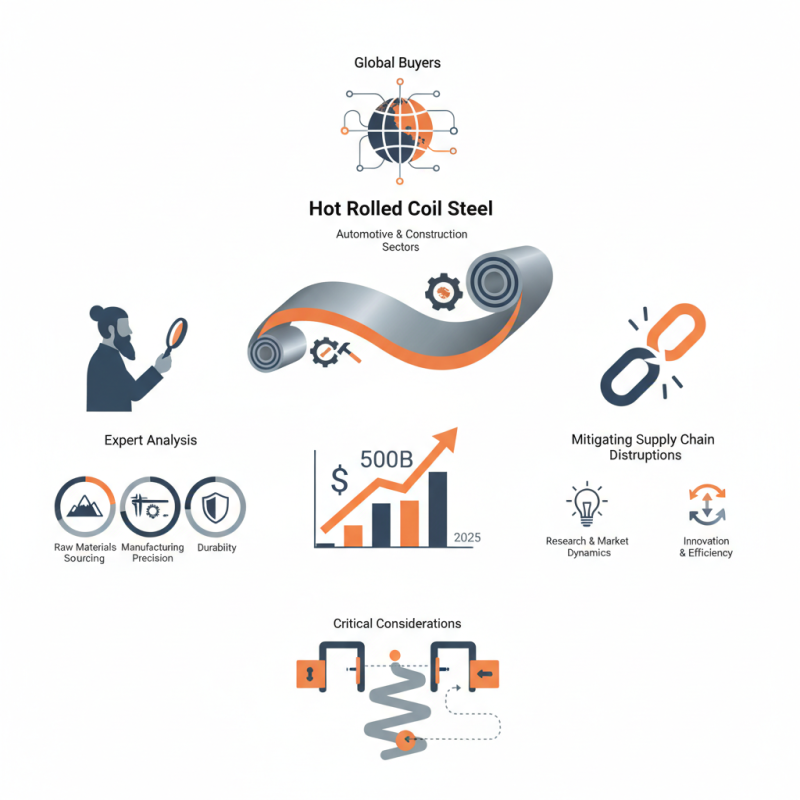
The demand for Hot Rolled Coil Steel remains robust in global markets. Reports from leading industry analysts indicate that the global market for hot rolled steel products is expected to reach $500 billion by 2025, driven by applications in automotive and construction sectors. As industries evolve, finding reliable suppliers becomes crucial for maintaining competitive edges.
As noted by steel industry expert Dr. John Smith, "The quality of Hot Rolled Coil Steel significantly impacts the durability and performance of end products." Dr. Smith emphasizes the need for buyers to evaluate suppliers rigorously. Factors such as sourcing raw materials and ensuring manufacturing precision are paramount.
Identifying the best suppliers can help mitigate risks related to supply chain disruptions. It's essential for buyers to conduct thorough research and understand market dynamics. Supplier capabilities and reputation must align with specific project requirements. Effective partnerships can lead to innovation and efficiency in production processes. Yet, many buyers overlook these critical considerations in their procurement strategies.
Overview of Hot Rolled Coil Steel and Its Applications
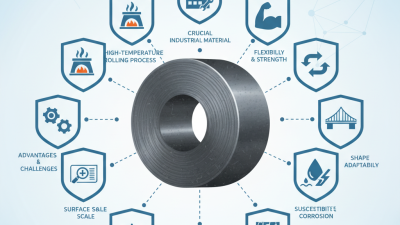
Hot rolled coil steel is a fundamental material in various industries. It is produced by rolling steel at high temperatures, which allows for easy shaping and forming. This type of steel is used extensively in construction, automotive, and manufacturing sectors. Its strength and ductility make it ideal for products like beams, structural frameworks, and automotive components.
Applications of hot rolled coil steel are diverse. In construction, it provides the backbone for buildings and bridges. In the automotive industry, it is crucial for chassis and frames. The manufacturing sector relies on it for machinery parts and containers. However, the production process is not without its challenges. Inconsistencies in temperature control can lead to defects, impacting the steel’s quality. Additionally, environmental concerns in steel production call for more sustainable practices, highlighting room for improvement in the industry.
Choosing the right supplier is essential for quality and reliability. Buyers should seek suppliers with a solid track record in the industry. They must also prioritize suppliers that demonstrate a commitment to innovation and sustainability. While many suppliers may offer quality products, buyers should remain vigilant. Ensuring that hot rolled coil steel meets specific standards is vital for successful applications across various industries.
Criteria for Selecting Top Suppliers of Hot Rolled Coil Steel
When selecting suppliers of hot rolled coil steel, consider several key criteria. Start with experience in the industry. A supplier with many years of operation demonstrates reliability. Look for their track record in quality and timely delivery. These are crucial in maintaining a steady supply chain.
Research the supplier’s certifications. Valid certifications indicate adherence to international standards. Ask for references from previous clients. This gives insight into their customer service and product quality. Products should be consistent in thickness, width, and surface finish. Consistency prevents issues in your projects.
Tips: Always request samples before committing to large orders. This helps you assess quality firsthand. Stay updated on market trends. Awareness of pricing and availability will aid in negotiations. Don't rush your decision; take time to reflect on the best fit for your needs.
Best Hot Rolled Coil Steel Suppliers for Global Buyers
| Criteria |
Rating (1-5) |
Delivery Time (Days) |
Annual Capacity (Tons) |
Location |
| Product Quality |
4.5 |
30 |
500,000 |
Asia |
| Customer Service |
4.2 |
25 |
300,000 |
North America |
| Pricing |
4.0 |
20 |
400,000 |
Europe |
| Reputation |
4.7 |
28 |
450,000 |
Asia |
| Certifications |
4.3 |
24 |
350,000 |
South America |
Leading Global Suppliers of Hot Rolled Coil Steel
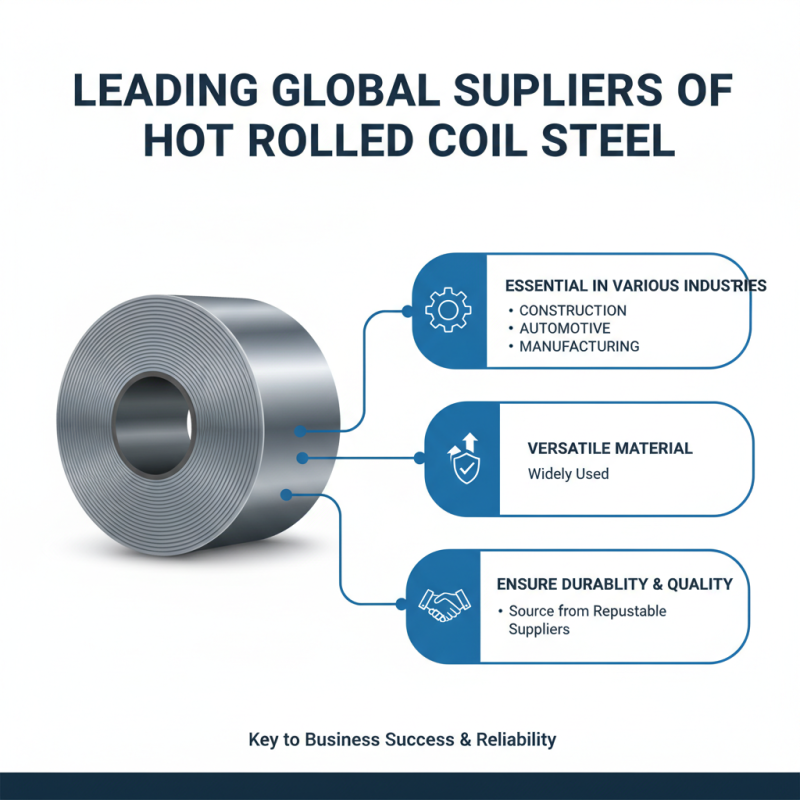
Hot rolled coil steel is essential in various industries. This versatile material is widely used in construction, automotive, and manufacturing. By sourcing from reputable suppliers, businesses ensure durability and quality.
Many leading global suppliers offer competitive pricing and a range of products. They provide different grades and specifications to meet diverse needs. Buyers should consider factors such as service quality, delivery times, and customer support. Reliable suppliers often have robust logistics systems. These systems ensure timely delivery, which is crucial in manufacturing.
However, not all suppliers are the same. Some may lack adequate quality control. It's important to conduct thorough research before making a decision. Evaluating customer reviews can help identify trustworthy sources. Establishing strong relationships with suppliers can also lead to better deals and consistency in supply.
Comparative Analysis of Pricing and Quality among Suppliers
When selecting hot rolled coil steel suppliers, buyers face a multitude of options. Not all suppliers are created equal, and a comparative analysis can reveal substantial differences in pricing and quality. Prices can vary widely based on the supplier's location, manufacturing processes, and raw material sources. Lower prices might lure buyers, but this often compromises quality.
Quality assessments consider factors like tensile strength, surface finish, and consistency. Buyers should request certifications and samples. Steel that meets industry standards has better durability and performance. A potential pitfall is disregarding these quality measures for cost savings.
Tips: Always inspect the supplier’s production facilities. Verify their quality control processes to ensure reliability. It’s essential to cultivate relationships with suppliers who are transparent about their methods. Seeking feedback from other customers can provide valuable insights into a supplier’s reputation.
By weighing pricing against quality, buyers can make informed decisions. Remember, the most attractive price tag may hide underlying issues. Aim for suppliers who prioritize quality alongside competitive pricing for sustainable procurement practices.




 +86 18865111877