How to Choose the Right Sheet Metal for Your Projects?
Choosing the right sheet metal for your project can be a complex decision. With a myriad of options available, understanding the characteristics of each type is crucial. Expert Mark Johnson, a renowned metallurgist, once stated, "Selecting the right sheet metal is the backbone of a successful project." This underscores the importance of informed choices in the industry.
When navigating the world of sheets metal, consider factors like durability, weight, and corrosion resistance. Each project may demand different properties. For instance, aluminum may be preferred for projects requiring lightweight materials. On the other hand, stainless steel often provides greater strength and resistance to harsh environments. It’s important to reflect on the specific needs of your project.
Mistakes in selecting sheets metal can lead to increased costs and project delays. Rushing this choice might bring temporary satisfaction but can result in long-term issues. A thorough understanding of the materials will enhance project success. Emphasizing proper research and expert advice can prevent costly missteps, making the selection process more reliable.
Understanding Different Types of Sheet Metal Materials
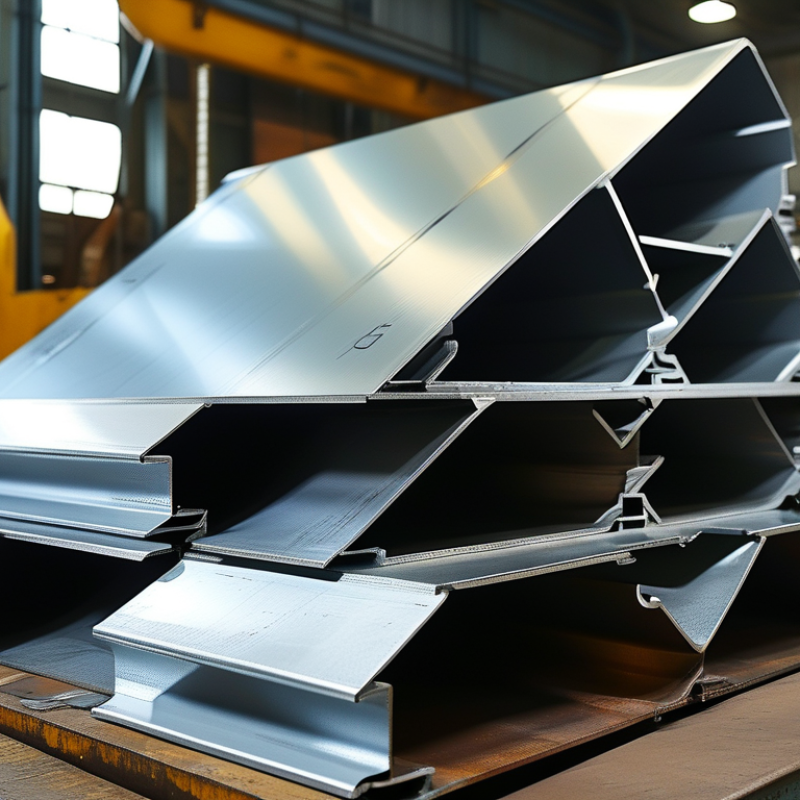
When selecting sheet metal for your projects, understanding the types available is crucial. Common materials include aluminum, steel, and stainless steel. Aluminum boasts a lightweight design and excellent corrosion resistance, making it favorable for intricate applications, like automotive parts. Steel, particularly mild steel, offers durability and strength; it is commonly used in construction projects. Yet, its susceptibility to rust requires protection through coatings or treatments.
Stainless steel encapsulates the best of both worlds. It resists corrosion and is incredibly strong. However, it can be costlier than other options. Copper is another material, often used for its electrical conductivity and aesthetic appeal. It's good for artistic projects but may not be ideal for heavy-duty applications. Each material comes with unique characteristics, and the choice depends on the specific demands of your project. Sometimes, initial choices may feel right but might not perform as expected under stress. Evaluating the environment, cost, and intended use is vital for optimal performance.
Evaluating the Mechanical Properties of Sheet Metals
When choosing sheet metal, understanding its mechanical properties is crucial. Mechanical properties include tensile strength, ductility, and hardness. Each property defines how the metal behaves under stress. For example, tensile strength indicates how much force the material can bear before breaking. Ductility measures how much it can stretch without tearing. Choose materials that fit your project's demands for durability and flexibility.
Tips: Always consider the environment where the sheet metal will be used. Exposure to moisture may corrode certain types. Additionally, testing small samples can reveal how metals perform under real conditions. Never overlook the importance of surface finish. A smooth finish can enhance both aesthetics and resistance to damage.
Understanding these properties will guide you in selecting the most suitable metal for your project. If you're unsure, consulting with a materials expert is advisable. They can provide insights into which metal will best withstand specific applications. However, remember that sometimes a less popular choice might perform better in unique situations. Explore and experiment; this is part of the learning process.
Mechanical Properties of Common Sheet Metals
Considerations for Thickness and Weight in Sheet Metal Selection
Choosing the right thickness and weight of sheet metal is crucial for any project. Thicker materials offer greater strength and durability. They can withstand more stress and resist bending or warping under pressure. However, weight can be a double-edged sword. Heavier metals can be challenging to handle and may require more robust support structures.
Consider the project's requirements carefully. If you need something lightweight for easy handling, thinner sheets may be preferable. They can be more cost-effective and easier to manipulate. Yet, if the application demands structural integrity, opt for thicker options. Assess the load conditions and the environment where the material will be used.
It's important to remember that the choice is not always clear-cut. Overestimating thickness can lead to wasted resources and increased costs. Conversely, going too thin can compromise safety and functionality. Finding a balance often demands experience and careful planning. Review your project goals and consult with professionals to make informed decisions. Engaging with experts can help to clarify uncertainties and enhance the quality of your output.
Assessing Corrosion Resistance and Durability of Sheet Metals
When selecting sheet metal, assessing corrosion resistance and durability is crucial. Various environmental factors can impact the longevity of your projects. For instance, metals exposed to extreme weather may corrode faster than those kept indoors. Understanding how different materials respond to moisture and chemicals is key.
Tips: Consider pre-treated or coated metals. These often have enhanced resistance to rust. Zinc coatings, for instance, offer extra protection against corrosion. Also, think about the local climate. Humid areas necessitate more durable choices.
Routine maintenance can extend the life of your metal projects. Regular cleanings can prevent buildup that might hold moisture. Look for signs of wear and tear early. This proactive approach helps avoid larger issues later on. Each project may present unique challenges, so examining previous material performance is beneficial.
Cost-Effectiveness: Budgeting for Your Sheet Metal Project
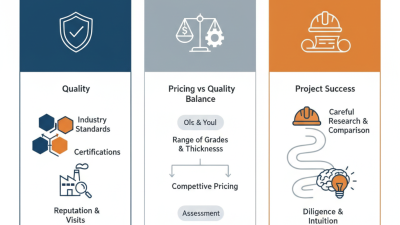
When budgeting for a sheet metal project, consider the total cost versus the quality. According to the Metal Services Association, material cost can represent up to 50% of the total project expenditure. This highlights the importance of selecting the right sheet metal type. Low-cost metals may seem attractive but could lead to higher maintenance costs over time.
Tips: Always evaluate long-term durability against initial expenses. A higher-quality sheet metal might save you money on repairs and replacements later. Stainless steel, for example, may have a higher upfront cost, but it offers corrosion resistance and longevity.
Another factor influencing cost is thickness. Thicker metals typically cost more, yet they provide better structural integrity. The Steel Information Bureau suggests assessing the specific requirements of your project to avoid overpaying for unnecessary thickness.
Tips: Consider the application environment. If your project involves exposure to harsh conditions, invest in reliable alternatives. Budget effectively by weighing long-term benefits against short-term savings. Remember, cost-effectiveness is not always about the lowest price but about the best value for your needs.
How to Choose the Right Sheet Metal for Your Projects? - Cost-Effectiveness: Budgeting for Your Sheet Metal Project
| Material Type |
Thickness (Gauge) |
Cost per Square Foot |
Applications |
Corrosion Resistance |
| Aluminum |
24 |
$3.00 |
Automotive, Aerospace |
Good |
| Stainless Steel |
18 |
$5.00 |
Kitchen Equipment, Medical Devices |
Excellent |
| Mild Steel |
16 |
$2.50 |
Construction, Fabrication |
Fair |
| Galvanized Steel |
20 |
$3.50 |
Roofing, Fencing |
Good |



 +86 18865111877