10 Essential Tips for Purchasing Carbon Steel Sheet Slit Coil?
When purchasing a Carbon Steel Sheet Slit Coil, understanding the key factors is crucial. This material is widely used in various industries, from construction to manufacturing. Choosing the right coil can significantly impact your project's success. It is essential to consider quality, thickness, and width. Each specification affects the coil's performance in its intended application.
One common mistake buyers make is not checking the supplier's credibility. A reliable supplier ensures a consistent product quality. Researching reviews and certifications can help you make an informed choice. Additionally, evaluating the intended use of the Carbon Steel Sheet Slit Coil is vital. Different applications may require specific grades or coatings.
Understanding your needs prior to purchase will save time and money. Sometimes, buyers overlook the importance of asking questions. Engaging with suppliers can reveal insights not found in product descriptions. Overall, a thoughtful approach is necessary when selecting a Carbon Steel Sheet Slit Coil. Making informed decisions leads to better project outcomes and long-term satisfaction.
Understanding Carbon Steel Sheet Slit Coil: Key Characteristics and Benefits
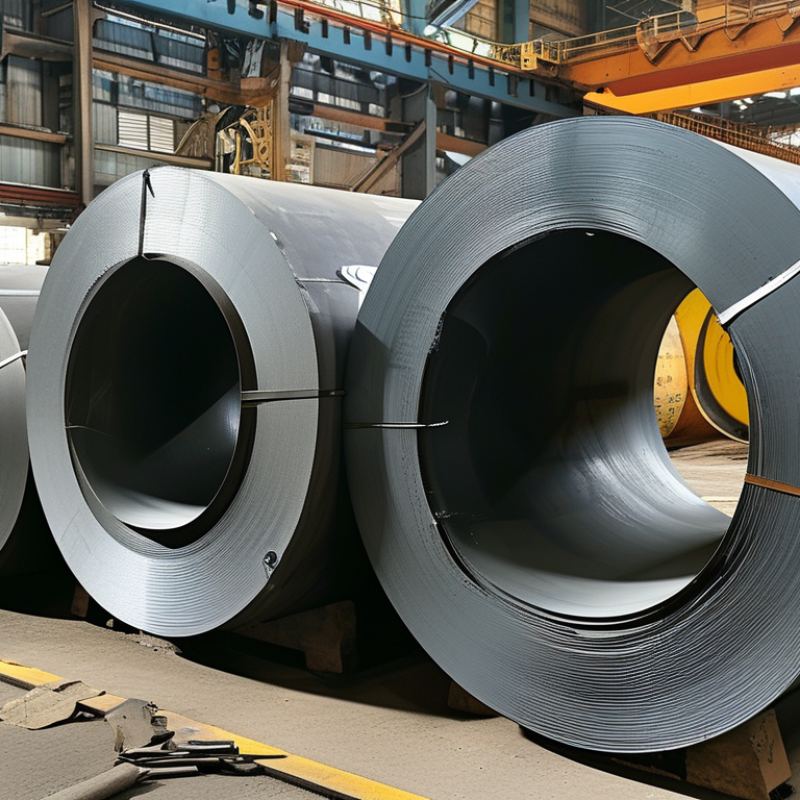
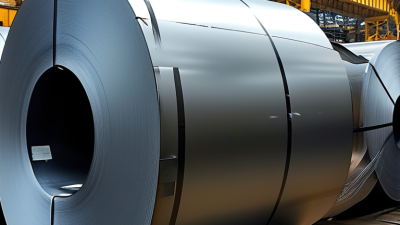
Carbon steel sheet slit coil is a versatile material, widely used across various industries. Its key characteristics include strength, ductility, and resistance to deformation. According to the World Steel Association, the demand for carbon steel accounts for over 50% of total steel demand globally. This underscores its importance in manufacturing processes, from automotive parts to construction materials.
One major benefit of carbon steel sheet slit coil lies in its cost-effectiveness. It typically presents a lower price point than other materials like stainless steel. However, it is essential to note that its rust resistance is limited. Users must consider whether additional coatings or treatments will be necessary. Reports indicate that about 80% of manufacturers prefer carbon steel for its stability and ease of processing, but they also acknowledge the challenges related to corrosion.
Understanding the specific characteristics of carbon steel is vital. The tensile strength generally ranges from 400 to 500 MPa, which is suitable for many applications. However, variability exists based on the alloy composition. While carbon steel performs well in many conditions, it is crucial to assess the environmental factors that may impact its longevity and performance. Users often need to weigh short-term savings against long-term maintenance costs.
Factors to Consider When Selecting Carbon Steel Sheet Thickness
When selecting carbon steel sheet thickness, a variety of factors come into play. The intended application is crucial. Thicker sheets are typically more robust. They better withstand harsh environments. For construction projects, a thickness of 10 to 12 gauge is often ideal. It provides strength and durability without excessive weight. Conversely, thinner sheets may be suitable for less demanding applications. They are easier to handle and fabricate.
Another vital aspect is the mechanical properties of the steel. The tensile strength can vary with thickness. Thicker sheets usually have improved strength and resistance to deformation. It's essential to assess the specific requirements of your project. Additionally, consider how the thickness affects the overall weight of the material. Heavier sheets may increase shipping costs and complicate assembly. It’s also worth noting that the flexibility of thinner sheets can be beneficial in certain designs.
Cost is a significant variable in this decision-making process. Thicker sheets generally involve higher material costs. This may require a larger budget or prompt you to explore alternative sources. Always weigh the benefits against the expenses. Remember that there is no one-size-fits-all solution. Each project demands careful thought and analysis.
10 Essential Tips for Purchasing Carbon Steel Sheet Slit Coil
| Attribute |
Consideration |
Recommended Value |
| Thickness |
Assess based on project requirements such as load-bearing needs. |
0.020" to 0.250" |
| Width |
Determine the width based on equipment capacity and end-use application. |
Up to 72" |
| Length |
Consider standard lengths for fewer seams and enhanced integrity. |
Commonly 48", 96", 120" |
| Grade |
Select the appropriate grade based on strength and ductility requirements. |
A36, A992, 1018 |
| Finish |
Choose finish based on aesthetic needs and corrosion resistance. |
Hot Rolled, Cold Rolled, Galvanized |
| Coil Weight |
Check weight limits of handling and transportation mechanisms. |
Typically up to 10,000 lbs. |
| Quantity |
Order based on production needs, taking into account lead times. |
Minimum 500 lbs. |
| Supplier Certification |
Evaluate certifications for quality assurance and compliance. |
ISO 9001, ASTM |
| Lead Time |
Understand supplier lead times for timely project execution. |
4-6 weeks typically |
| Cost |
Analyze market rates to budget accordingly. |
$0.50 - $2.50 per lb. |
Evaluating the Quality and Grade of Carbon Steel for Your Project
When evaluating carbon steel sheet slit coils, quality and grade play a crucial role in your project’s success. First, consider the actual composition of the steel. Carbon content can greatly influence strength and ductility. Grades like ASTM A36 or A1011 are widely used, but not all projects require the same specifications. Knowing your project's demands is essential.
Next, examine the surface finish. Some projects need smoother finishes to avoid defects. Other tasks may tolerate rougher surfaces. Pay attention to any visible rust or corrosion. This can indicate poor storage or handling. Moreover, look for certification documents that confirm the steel’s compliance with industry standards. Documentation enhances reliability.
Finally, consider how the coil was processed. Mechanical properties are affected by the rolling and cutting methods. Understanding these can help you assess if the material suits your fabrication needs. It's worth asking suppliers about their processes. Reflecting on these aspects will guide you to make more informed purchasing decisions. Remember, not all suppliers provide the same quality, so thorough evaluation is paramount.
Exploring Different Suppliers: How to Choose a Reliable Source
When exploring suppliers for carbon steel sheet slit coil, reliability is crucial. Start by checking their experience in the industry. A supplier with years of experience often has a better understanding of material quality and delivery schedules. Visit their facilities if possible. This offers insight into their operations and product handling.
Research online reviews from previous customers. A strong reputation often indicates dependability. Pay attention to feedback about product quality, customer service, and any issues encountered. Some suppliers may showcase certifications or compliance documents, which can further assure you of their expertise. However, don’t rely solely on these ratings.
Establish direct communication with potential suppliers. Ask specific questions regarding their sourcing practices and quality control measures. A knowledgeable supplier should provide clear and informative answers. This dialogue can reveal their commitment to customer satisfaction. Remember, a supplier’s flexibility in addressing issues can reflect their reliability in the long run.
10 Essential Tips for Purchasing Carbon Steel Sheet Slit Coil
Understanding Pricing Factors for Carbon Steel Sheet Slit Coil Purchases
When purchasing carbon steel sheet slit coil, understanding pricing factors is crucial. The price often fluctuates due to supply and demand dynamics. Seasonal changes can lead to price variations. For instance, production levels might drop during winter months, raising prices. This can be frustrating, as buyers may not anticipate these shifts.
Material quality also impacts the price significantly. Higher-grade steel commands a premium. Buyers should evaluate the specifications carefully. If the coil meets strict industry standards, the price could be justifiable. Additionally, the source of the steel plays a role. Domestic materials may be more expensive compared to imported options. However, overseas sourcing might involve risks like delays and quality inconsistencies.
Also, consider the size and thickness of the coil. Custom dimensions demand higher costs due to special processing requirements. Some suppliers may also charge extra for cutting or slitting services. Be mindful that while seeking the best deal, cutting corners can lead to subpar products. It's important to find a balance between cost and quality for a satisfactory purchase.




 +86 18865111877