What is Hot Rolled Steel Coil and Its Key Applications?
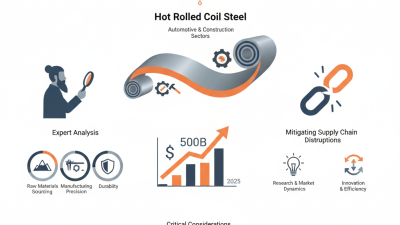
Hot Rolled Steel Coil (HRSC) plays a vital role in various industries, from automotive to construction. According to a recent report by the Global Steel Association, the demand for hot rolled products is expected to grow by 5% annually. This trend highlights the importance of HRSC in manufacturing and engineering sectors.
Industry expert Maria Jones emphasizes the versatility of HRSC, stating, "Hot rolled steel coils are the backbone of modern construction and manufacturing." Her insights shed light on the crucial applications of HRSC, including structural components and machinery parts. These high-strength materials facilitate the development of durable products.
Despite its widespread use, the hot rolled steel market faces challenges. Fluctuations in steel prices and production capacities can impact availability. As we explore the key applications of Hot Rolled Steel Coil, it is essential to consider these dynamics. Understanding the strengths and limitations of HRSC will provide clarity in its role within the industry.
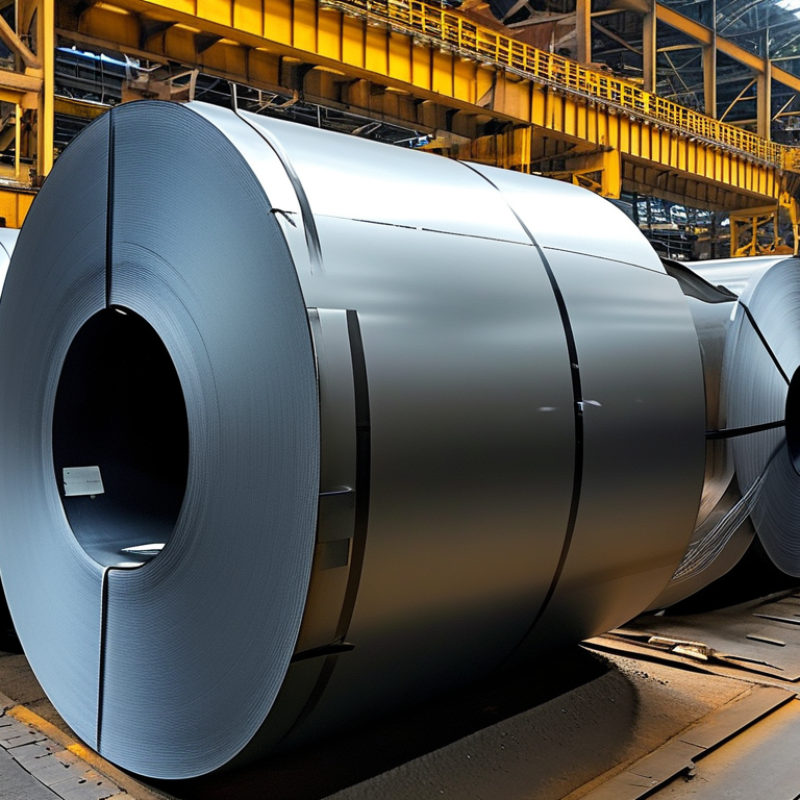
Definition of Hot Rolled Steel Coil
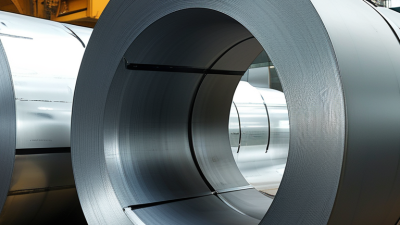
Hot rolled steel coil is a type of steel that is processed at high temperatures. This method gives it unique properties that make it indispensable in various industries. The process involves rolling the steel at temperatures exceeding 1,700°F. This ensures that the final product has a smooth surface and excellent mechanical properties. It is also easier to shape and form compared to cold rolled steel.
Applications of hot rolled steel coil span multiple sectors. Construction, automotive, and manufacturing frequently utilize this material. In construction, it serves as structural beams, rebar, and framing. In the automotive industry, it is used in parts like chassis and body panels. However, it is essential to consider the limitations of hot rolled steel. For example, it might not have the same surface finish as cold rolled steel. This can be a drawback for certain applications that require aesthetic quality.
Here are some tips when selecting hot rolled steel coils. Always check the specifications to ensure they meet your project's requirements. Different grades can have varying chemical compositions and mechanical properties. Additionally, think about the end-use of the product. A thoughtful approach can lead to successful outcomes in your projects.
Manufacturing Process of Hot Rolled Steel Coil
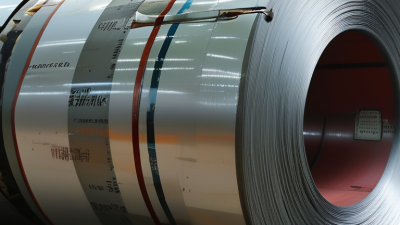
Hot rolled steel coil is a crucial material in various industries. The manufacturing process starts with heating steel billets above their recrystallization temperature. This makes the steel easier to work with. The heated steel is then passed through large rollers. These rollers flatten the steel into a coil shape. The rolling process reduces the thickness significantly. The finished product is wide, flexible, and ideal for various applications.
Once the coil is produced, it undergoes quenching. This cooling process enhances its strength and durability. However, this phase can introduce internal stresses if not managed properly. Observing the temperature and cooling speed is vital. Any inconsistency can lead to defects in the steel, such as warping. Post-processing is critical to ensure the steel meets required standards.
Quality control is a continuous process during and after manufacturing. Tests for thickness, surface quality, and tensile strength are conducted. Sometimes issues arise that require additional inspection or reprocessing. Despite the challenges, hot rolled steel coils are favored for their versatility. They are widely used in construction, automotive, and machinery manufacturing.
Key Properties and Characteristics of Hot Rolled Steel Coil
Hot rolled steel coil is widely used in various industries due to its key properties. The steel is produced by heating metal above its recrystallization temperature. This process enhances its formability. The result is a strong, malleable product with a smooth finish. These coils are typically used in construction and manufacturing.
One of the main characteristics of hot rolled steel coil is its structural integrity. It can withstand significant stress and strain. The finishing process also helps improve its resistance to oxidation. However, it may require additional surface treatment in harsh environments.
Tips: Always consider the application before choosing hot rolled steel. It may not be ideal for all projects. Understand the environment it will be exposed to. Customizing surface treatments can often enhance durability.
Another important property is its cost-effectiveness. Hot rolled steel coils tend to be less expensive than their cold rolled counterparts. However, they generally lack a finished look. Be prepared for potential surface imperfections. This could be a point of consideration during your selection process.
Primary Applications in Construction and Manufacturing Industries
Hot rolled steel coil (HRSC) is a fundamental material used across various industries, particularly in construction and manufacturing. HRSC is created by rolling steel at high temperatures, which enhances its malleability. This process produces sheets with uniform thickness, making them ideal for various applications.
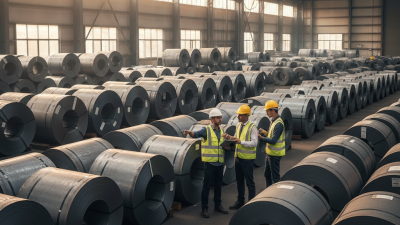
In the construction sector, HRSC is commonly used for structural frameworks, beams, and reinforcements. Its durability and strength contribute to the stability of buildings, bridges, and infrastructure projects. The manufacturing industry relies on hot rolled coils for producing heavy machinery, automotive components, and appliances. This material can endure harsh conditions, which is essential for industrial applications.
Tip: When selecting HRSC, consider the environmental conditions it will face. Corrosion resistance can be an important factor depending on your project.
While HRSC is versatile, it’s crucial to assess its limitations. The high-temperature rolling can lead to surface imperfections that may affect performance in specific applications. Regularly test and evaluate your materials to ensure they meet project requirements.
Tip: Always keep up with industry standards and specifications. This can help in choosing the right type of HRSC for your application.
What is Hot Rolled Steel Coil and Its Key Applications? - Primary Applications in Construction and Manufacturing Industries
| Application Area |
Description |
Common Uses |
| Construction |
Used for structural purposes in buildings, bridges, and other infrastructure. |
Beams, columns, reinforcements, and framing. |
| Automotive |
Manufactured into components needed for vehicle production. |
Chassis, bodies, and structural parts. |
| Manufacturing |
Formed into plates and sheets for various manufacturing processes. |
Machinery components, tools, and equipment fabrication. |
| Shipbuilding |
Essential in the construction of ships and maritime vessels. |
Hulls, decks, and other structural elements. |
| Appliances |
Used in making a variety of household and industrial appliances. |
Refrigerators, ovens, and washing machines. |
Advantages of Using Hot Rolled Steel Coil Over Other Steel Types
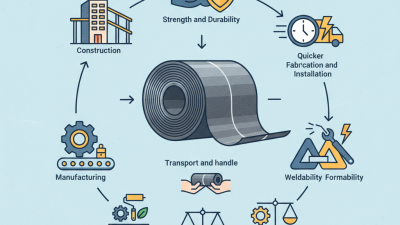
Hot rolled steel coil is a fundamental material in various industries. Its advantages over other steel types are noteworthy. One significant benefit is its cost-effectiveness. Being produced at high temperatures, it allows for easier manipulation and mass production. According to the World Steel Association, around 45% of total steel production consists of hot rolled steel. This widespread use indicates its effectiveness and affordability.
Another advantage is the material’s superior ductility. Hot rolled steel coils exhibit better formability, allowing manufacturers to create diverse products, from structural beams to automotive components. Research shows that parts made from hot rolled steel can withstand higher stress levels. This enhances their performance in demanding applications. Additionally, the surface finish of hot rolled steel is less refined compared to cold rolled steel. This can lead to challenges in certain aesthetic applications but offers benefits in load-bearing scenarios.
Additionally, the weldability of hot rolled steel coils is a significant plus. Its chemical properties allow for strong weld joints. However, this can lead to variable quality, depending on the manufacturing process. Maintaining consistent quality standards remains a necessity for producers. Overall, hot rolled steel coils provide a balance of strength, cost, and versatility for various industrial applications.



 +86 18865111877