What is Hot Rolled Steel Carbon Coil and Its Benefits?
Hot Rolled Steel Carbon Coil is a widely used material in various industries, known for its durability and strength. The global hot-rolled steel market was valued at $XX billion in 2022 and is expected to grow at a CAGR of YY% through 2030. This growth signifies the importance of Hot Rolled Steel Carbon Coil in construction, automotive, and manufacturing sectors.
The production process of Hot Rolled Steel Carbon Coil involves heating steel above its recrystallization temperature. This makes it malleable and easy to shape. Reports highlight that this type of steel undergoes less processing, resulting in a more cost-effective solution compared to cold-rolled alternatives. However, imperfections such as surface roughness can occur, which may affect its aesthetic appeal.
Utilizing Hot Rolled Steel Carbon Coil offers significant benefits. They include improved structural integrity and enhanced performance in demanding applications. Despite its advantages, it’s crucial to inspect quality and specifications. This ensures that the right grades meet industry standards. Investing in quality Hot Rolled Steel Carbon Coil can lead to long-term savings, but awareness of its limitations is essential for making informed choices.
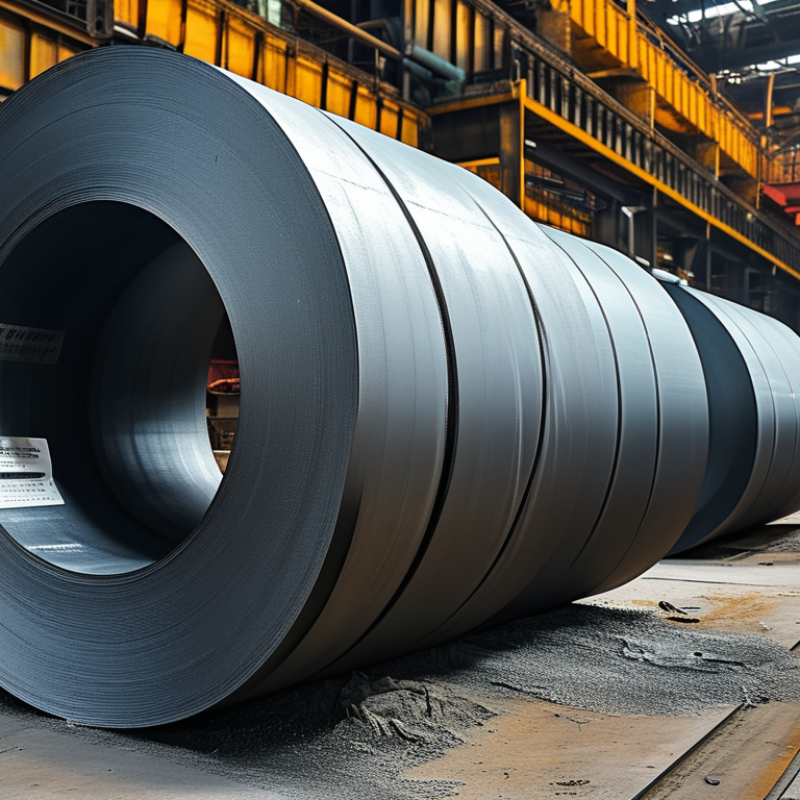
Definition of Hot Rolled Steel Carbon Coil
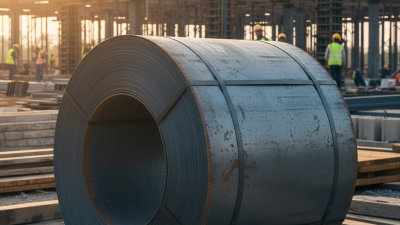
Hot rolled steel carbon coil is a widely used material in various industries. It is made by rolling steel at high temperatures, which increases its malleability. This process allows for larger pieces to be formed while maintaining structural integrity. Typically, the temperature exceeds 1,700°F. The result is a product that has a rough surface but is very versatile.
One notable advantage of hot rolled steel is its cost-effectiveness. It generally comes in larger sizes and can be produced quickly, reducing overall manufacturing costs. Additionally, the properties of hot rolled steel allow it to be easily shaped and welded. These characteristics make it ideal for construction and automotive applications.
Consider the following tip when using hot rolled steel: Always assess its surface quality. In many cases, imperfections can affect performance and aesthetics. Choosing the right thickness is crucial. Thicker coils offer better strength but can be more challenging to handle. Experimenting with different grades can lead to improved results.
Production Process of Hot Rolled Steel Carbon Coils
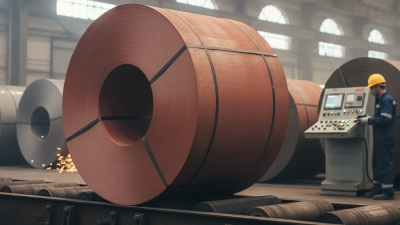
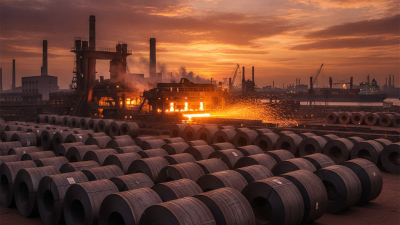
The production process of hot rolled steel carbon coils is crucial to their quality and performance. This process begins with heating steel billets to a high temperature, typically above 1700°F. At this heat, the steel becomes malleable. The billets are then passed through rolling mills. This reduces their thickness and shapes them into coils. The controlled environment ensures consistency in texture and strength.
Once the steel is rolled, it undergoes cooling. This step is essential to attain the desired mechanical properties. The coils produced are often wide and can reach significant lengths. They are then cut to specific dimensions based on industry requirements. Companies often face challenges in maintaining uniformity throughout the production. Any variation can affect the final product's quality. Hence, consistent monitoring during rolling and cooling is essential for optimal results.
One key benefit of this process is cost-effectiveness. Hot rolled carbon steel coils are generally cheaper to produce than cold rolled sheets. However, the surface finish is not as smooth. This fact can be a drawback in applications requiring a higher aesthetic appeal. Despite this limitation, hot rolled steel remains a versatile choice across various industries. Its strength and durability make it suitable for structural applications.
Key Properties of Hot Rolled Steel Carbon Coils
Hot rolled steel carbon coils are essential in various industrial applications. Their unique properties make them highly desirable for manufacturers. One of the key characteristics is their strength. According to the American Society for Testing and Materials (ASTM), hot rolled steel typically exhibits higher yield strength compared to cold rolled alternatives, which allows for more robust structural applications. This strength is crucial in construction, automotive, and heavy machinery sectors.
Another vital property is ductility. Hot rolled steel can be easily formed and shaped without breaking. The temperature during processing allows for malleability, enabling complex designs. Industry reports indicate that around 60% of steel products used in construction are hot rolled, highlighting its prevalence. However, the process is not without drawbacks. The surface finish of hot rolled steel is less smooth than cold rolled steel, which might not suit applications requiring high surface quality.
Thermal stability is also a significant advantage. Hot rolled steel can withstand higher temperatures without losing its structural integrity. This makes it ideal for environments that experience extreme heat. Yet, reliance on this property should be balanced with an understanding of specific operational needs. Decisions should reflect the intended use and potential limitations.
Applications of Hot Rolled Steel Carbon Coils in Industry
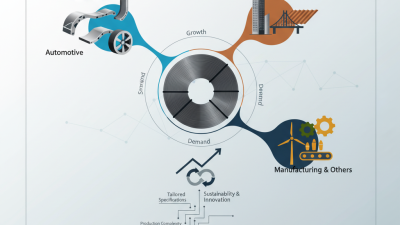
Hot rolled steel carbon coils are widely used across various industries due to their unique properties. Their applications span construction, automotive, and manufacturing sectors. The global hot rolled steel market was valued at approximately $500 billion in 2022, showing substantial demand. This reflects the crucial role of hot rolled steel in modern infrastructure and production.
In construction, these coils are essential for structural components. They are often used in beams, columns, and panels. Their high strength-to-weight ratio reduces material costs while ensuring safety. According to industry reports, about 60% of hot rolled steel production is utilized in construction projects. This highlights its significance in building durable structures.
The automotive industry also benefits from hot rolled steel carbon coils. These materials are ideal for producing car frames and body panels. Their malleability allows for complex shapes essential for aerodynamics. However, some manufacturers face challenges in sourcing high-quality coils. Variations in steel quality can impact vehicle safety and performance. Addressing these inconsistencies is critical for manufacturers and regulators alike.
What is Hot Rolled Steel Carbon Coil and Its Benefits? - Applications of Hot Rolled Steel Carbon Coils in Industry
| Property |
Value |
| Thickness Range |
1.5 mm to 25 mm |
| Width Range |
600 mm to 2000 mm |
| Yield Strength |
250 MPa to 350 MPa |
| Ultimate Tensile Strength |
400 MPa to 550 MPa |
| Applications |
Automotive, Construction, Manufacturing |
| Key Benefits |
Cost-effective, excellent strength, good machinability |
Advantages of Using Hot Rolled Steel Carbon Coils
Hot rolled steel carbon coils are widely used in various industries. They are formed by heating steel above its recrystallization temperature. This process makes the steel easier to work with. The result is sheets and coils that are often smoother and more malleable than cold-rolled steel.
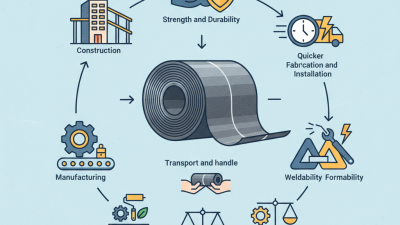
Using hot rolled steel carbon coils has several advantages. They offer excellent weldability, making them ideal for fabrication. The material’s increased ductility allows for easier shaping. This enhances its usability in construction and automotive applications. The rolled coils also have a lower manufacturing cost compared to cold-rolled variants. However, the surface finish may not be as refined, leading to potential challenges in aesthetics.
Another point to consider is the dimensional accuracy. Hot rolled coils can have a slight variation in thickness. This might require further processing for precise applications. Though beneficial, its properties can be a double-edged sword. Users must weigh the advantages against potential drawbacks for the best results in their projects.
Benefits of Hot Rolled Steel Carbon Coils



 +86 18865111877