What is Hot Rolled Steel Plate and Its Applications?
In the realm of manufacturing, "Hot Rolled Steel Plate" stands out as a critical material. Experts like John Smith, a veteran in the steel industry, often emphasize its importance. He states, “Hot Rolled Steel Plates are fundamental in construction and fabrication.” This material has unique properties that make it essential for various applications.
Hot rolled steel plates are produced at high temperatures, allowing metal to be shaped easily. This process enhances ductility and reduces hardness. Consequently, they are widely used in constructing buildings, bridges, and even in automotive manufacturing. Many engineers trust hot rolled plates for their strength and durability, yet some challenges remain. The finishing quality can be inconsistent, which prompts scrutiny in design and application processes.
The demand for hot rolled steel plates continues to grow. Still, industry leaders must address its imperfections. Quality assurance processes need to evolve. Embracing better techniques can enhance reliability. In a world where precision is crucial, the qualities of hot rolled steel plates warrant ongoing examination and improvement.
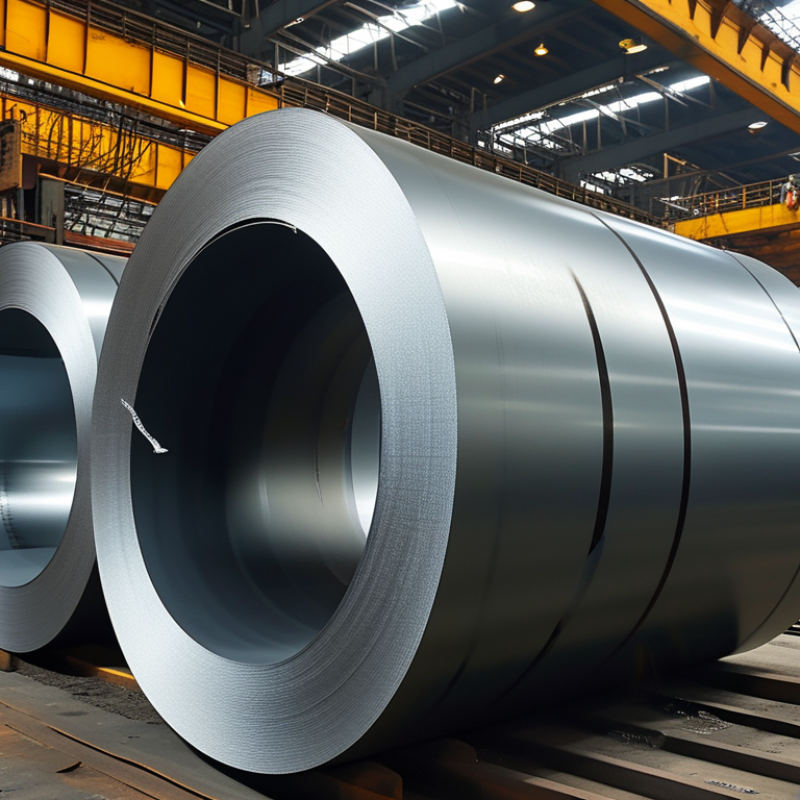
What is Hot Rolled Steel Plate?
Hot rolled steel plate is a fundamental material in manufacturing and construction. It is produced by heating steel above its recrystallization temperature and then rolling it into plates. This process allows for easier shaping and forming compared to cold rolled steel. The result is a rough surface finish and less precise dimensions, but also benefits such as increased ductility.
Applications of hot rolled steel plates can be seen across various industries. They are used in building structures, manufacturing heavy machinery, and fabricating automotive parts. The plates are known for their strength and durability, making them suitable for structural components. However, they may require additional processing for applications demanding tighter tolerances or smoother finishes.
When using hot rolled steel plates, caution is essential. The properties of these plates can vary, affecting project outcomes. Factors such as temperature and rolling speed need careful control. The initial rough surface may also lead to challenges in welding and coating. Understanding these nuances is crucial for anyone working with hot rolled steel.
The Manufacturing Process of Hot Rolled Steel Plate
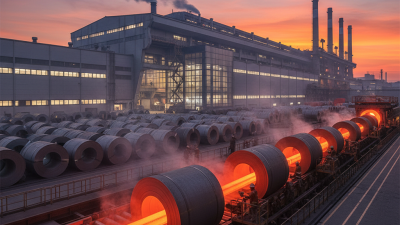
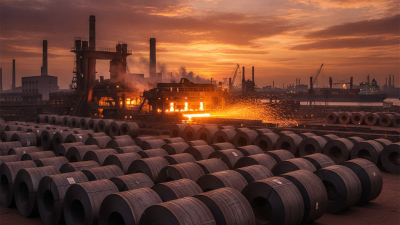
The manufacturing process of hot rolled steel plate involves several crucial steps. Initially, raw steel is heated to a temperature exceeding 1,700°F. This high temperature allows for easier shaping. The steel is then passed through large rolls to achieve the desired thickness. According to a report by the World Steel Association, hot rolled steel can be produced in various widths and gauges.
During this process, some imperfections may arise. For instance, surface roughness is common in hot rolled steel. This roughness can pose challenges in applications needing a smooth finish. Additionally, fluctuations in temperature can lead to inconsistencies in the mechanical properties of the steel. Industries often consider these factors when selecting materials for specific uses.
Hot rolled steel plates find applications in construction and heavy machinery. Their mechanical properties, like strength and ductility, make them suitable for structural components. Data from market research shows that the demand for hot rolled steel plates has increased by 5% annually in the last five years. Understanding the nuances of manufacturing can help industries make informed decisions. Identifying the strengths and weaknesses of hot rolled steel can enhance product reliability.
Key Properties and Characteristics of Hot Rolled Steel Plate
Hot rolled steel plate is a widely used material in various industries. Its key properties make it suitable for many applications. The process involves rolling the steel at high temperatures, which enhances its malleability. This results in plates that can be shaped and formed easily.
One significant characteristic of hot rolled steel plate is its lower yield strength. This aspect makes it simple to fabricate. The rough surface finish, however, may not be ideal for every application. Its dimensional tolerance is also less precise than cold rolled alternatives.
Tips: When selecting hot rolled steel, consider the application requirements carefully. Ensure the surface finish aligns with your project's needs. You may need additional finishing processes, like grinding or polishing, for specialized uses. Evaluate your fabrication capabilities too; some projects may benefit from the ease of use of hot rolled steel.
Common Applications of Hot Rolled Steel Plate in Various Industries
Hot rolled steel plates are widely used across various industries due to their strength and versatility. In construction, they provide a foundation for structures. Bridges often rely on these plates for support. Their ability to withstand heavy loads makes them ideal for this environment.
In the automotive industry, hot rolled steel's ductility allows for easy shaping. Manufacturers use these plates in body parts and frames. The material can absorb impact effectively. However, it can be prone to rust if not treated properly. Regular maintenance is needed to prolong its lifespan.
Another significant application is in machinery. Hot rolled steel plates are essential in producing heavy equipment. They are used in components like frames and bases. The challenge lies in sourcing high-quality material that meets the specifications required. It's crucial for producers to verify the steel's integrity and durability before use.
Comparing Hot Rolled Steel Plate with Other Steel Types
When comparing hot rolled steel plate with other steel types, important differences emerge. Hot rolled steel is produced at high temperatures, which makes it malleable and easy to shape. This process leads to a rough surface finish. However, this same feature contributes to its lower strength compared to cold rolled steel. Cold rolled steel, processed at room temperature, offers greater precision and a smoother finish. It’s suitable for applications where tight tolerances are key. But, this strength comes at a higher production cost.
Another critical distinction lies in the applications. Hot rolled steel plates are often favored in large structural projects. They are commonly used in construction and heavy machinery. Their ability to withstand high stress makes them reliable. On the other hand, cold rolled steel is preferred for smaller, detailed projects, such as automotive components and furniture. While both types serve valuable roles, choosing the right one depends on the specific requirements of the task. Forging ahead without proper assessment can lead to inefficiencies or project delays. Understanding these differences helps in making informed decisions.
Comparison of Hot Rolled Steel Plate with Other Steel Types
This chart compares the tensile strength of various types of steel, highlighting the characteristics of hot rolled steel plate in comparison to cold rolled, galvanized, stainless, and mild steel. Hot rolled steel typically has lower strength compared to cold rolled steel but offers better malleability and is suitable for structural applications.





 +86 18865111877