Hot Rolled Steel Plate Factory in China What You Need to Know?
When considering a Hot Rolled Steel Plate Factory in China, it is essential to understand the industry's dynamics. According to a recent report by the Steel Manufacturers Association, China's production accounted for 50% of the global hot-rolled steel output in 2022. This dominance emphasizes the necessity for in-depth knowledge of local manufacturing processes and standards.
Industry expert Dr. John Liu, a noted metallurgist, states, "Understanding the nuances of hot rolled steel production can lead to better material choices for construction and manufacturing." His insight aligns with the growing need for high-quality steel, especially as infrastructure demands increase globally. Yet, navigating this landscape can be challenging.
With varying quality standards and production methods, potential buyers should be cautious. Not every factory meets international expectations, and not every product is reliable. Research and verification are crucial steps. It’s about finding a balance between cost and quality in this competitive arena.
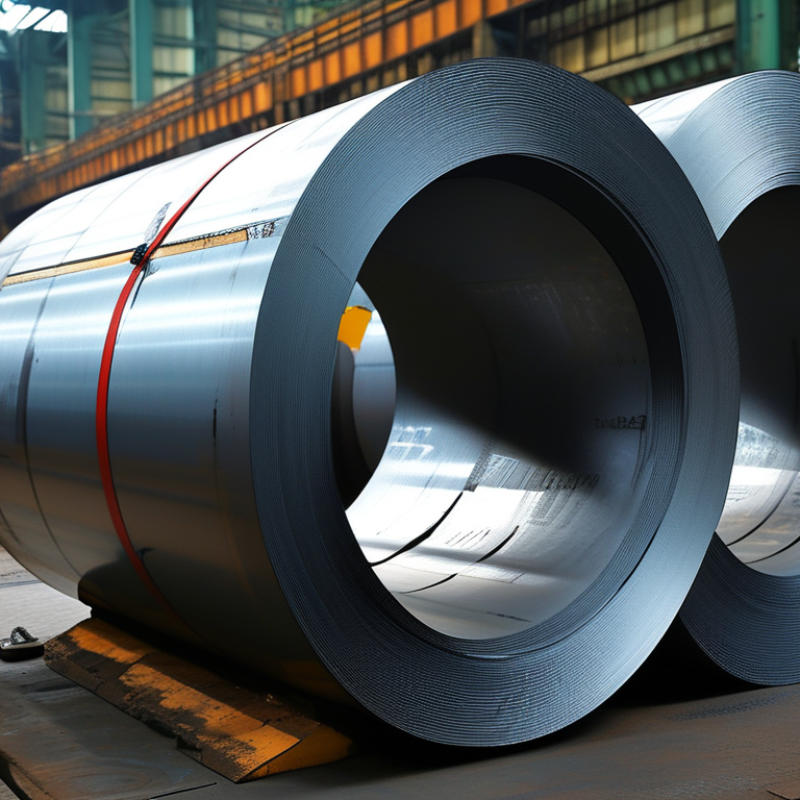
Hot Rolled Steel Plate Production Process in Chinese Factories
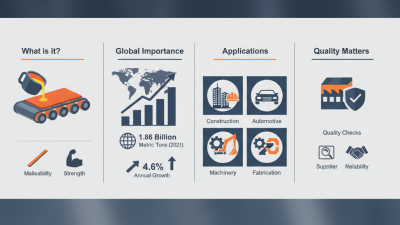
Hot rolled steel plates are essential in various industries, particularly in construction and manufacturing. Understanding the production process in Chinese factories reveals both the efficiency and challenges involved in this sector. The process begins with steel billets, which are heated in a furnace to around 1,700°F. This high temperature makes the steel malleable and easier to shape.
After heating, the billets undergo a series of rolling steps. They pass through several rollers that gradually shape them into flat plates. This part of the process requires precision; any misalignment can lead to significant waste. Factories often rely on advanced technology to monitor rolling speed and temperature, ensuring consistent quality.
However, issues can arise during production. Variations in steel quality and unexpected machine breakdowns can hinder output. Workers must be skilled to troubleshoot these challenges quickly. Continuous training is vital in maintaining both safety and efficiency. Even with modern machinery, human oversight remains crucial in this demanding environment. This duality of technology and manual intervention characterizes the hot rolled steel production process in China.
Key Specifications and Grades of Hot Rolled Steel Plates
Hot rolled steel plates are essential in various industries, including construction and manufacturing. Understanding their specifications and grades is crucial for choosing the right material. The thickness of these plates typically ranges from 3mm to 100mm. This wide range allows for versatility in applications.
Common grades of hot rolled steel plates include Q235, Q345, and S235JR. Q235 is popular for general construction. It offers decent weldability but has limited strength. Q345, on the other hand, is a higher strength steel suitable for structural applications. It features good weldability and toughness. S235JR is a European standard grade known for its excellent formability.
When sourcing hot rolled steel plates, consider the manufacturer's quality certifications. Ensure they follow international standards. It’s also wise to seek materials that undergo consistent quality checks. Flaws in production can lead to costly issues later on. Understanding these specifications and grades helps in making informed decisions. Each application may require specific characteristics, and it’s essential to be mindful of these details.
Impact of China's Steel Industry on Global Pricing Trends
China's steel industry plays a significant role in global pricing trends. As of 2023, China accounts for over 50% of the world's steel production. The fluctuations in its output directly influence prices worldwide. For instance, the World Steel Association reports that an increase in China's production capacity can lower prices due to higher supply levels. Conversely, production cuts lead to price surges.
Tips: Monitor China's production reports regularly. Understanding these trends can help businesses make informed purchasing decisions.
In recent years, trade policies and tariffs have also impacted China’s steel exports. Increased tariffs on Chinese steel in various countries have led to price irregularities. Many importers are now looking at alternative sources, which can temporarily stabilize or deplete local supplies.
Tips: Diversify your supply chain to mitigate risks associated with price volatility.
The reliance on China for hot-rolled steel plates creates a complex web of pricing dynamics. Unexpected events, such as natural disasters or geopolitical tensions, can disrupt production and affect global prices. Remaining vigilant about these factors is crucial for industry stakeholders.
Hot Rolled Steel Plate Factory in China - What You Need to Know? - Impact of China's Steel Industry on Global Pricing Trends
| Dimension (mm) |
Thickness (mm) |
Weight (kg/m²) |
Current Market Price (USD/Ton) |
Export Price Increase (%) |
| 1000 x 2000 |
6 |
47.7 |
750 |
5 |
| 1500 x 3000 |
8 |
58.9 |
720 |
7 |
| 2000 x 4000 |
10 |
78.5 |
680 |
6 |
| 2500 x 5000 |
12 |
98.5 |
710 |
8 |
| 3000 x 6000 |
15 |
118.3 |
660 |
4 |
Environmental Regulations Affecting Hot Rolled Steel Production in China
Environmental regulations play a crucial role in shaping the hot rolled steel production landscape in China. The Chinese government has been tightening emissions standards to mitigate the industrial impact on air quality. A report from the National Bureau of Statistics indicates that in 2021, China’s steel industry emitted approximately 2.48 billion tons of carbon dioxide. This poses a significant challenge for factories striving to meet both production targets and environmental compliance.
In response, many hot rolled steel plate factories are investing in cleaner technologies. Reports show that around 60% of producers plan to incorporate advanced recycling processes. These innovations not only reduce emissions but also enhance resource efficiency. However, the rapid implementation of these technologies can lead to operational inefficiencies, bringing forth concerns about production costs. It is essential for manufacturers to balance adherence to regulations with the economic implications of these changes.
Despite the push for compliance, some factories struggle with the transition. Limited access to funding for upgrades and a lack of skilled labor hinder progress. Furthermore, the evolving regulatory landscape creates uncertainty, leading to varied responses among producers. According to industry analysts, factories that actively embrace sustainable practices may have a competitive edge, but those lagging behind risk facing stricter penalties and operational challenges.
Market Demand and Export Trends for Chinese Hot Rolled Steel Plates
China's hot rolled steel plates have witnessed significant demand in recent years. Industries such as construction, automotive, and manufacturing rely heavily on these materials. The versatility of hot rolled steel makes it a preferred choice for various applications, from structural frameworks to automotive bodywork.
Export trends reveal a robust market for Chinese hot rolled steel plates. Countries in Southeast Asia and Europe are increasingly sourcing these products. The competitive pricing and wide range of specifications contribute to this growing interest. However, challenges such as fluctuating steel prices and trade regulations may affect future exports. Manufacturers must stay informed about market dynamics to navigate potential risks.
Despite the high demand, quality control remains a concern for some factories. Variations in thickness and surface finish can lead to disappointment. Companies need to invest in better production techniques and testing methods. By focusing on quality, manufacturers can enhance their reputation in the global market.



 +86 18865111877