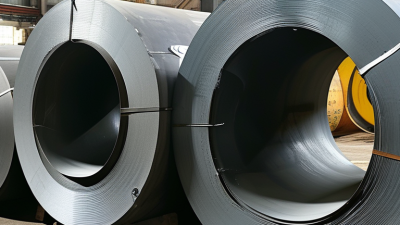
Sourcing Carbon Steel Sheet Slit Coil in 2026 requires more than comparing prices on a spreadsheet. Buyers must connect material quality, processing accuracy, delivery reliability, and supplier credibility. A coil may look acceptable in a photograph, yet fail after slitting, stamping, or forming. Small differences matter.
Define the application before contacting mills or service centers. Specify grade, thickness, width, slit tolerance, coil weight, inner diameter, surface finish, edge condition, and packaging requirements. For example, a 1.2-millimeter coil for appliance panels may need tighter flatness control than material used for structural brackets. Request current mill test certificates, dimensional inspection reports, and clear traceability from heat number to shipment. Real evidence matters.
Ask suppliers how they control burrs, camber, telescoping, rust prevention, and handling damage. Review their equipment, quality procedures, production capacity, and response history. Independent audits can strengthen confidence, but they do not replace incoming inspection. Samples should be tested before a large order is released.
Reliable sourcing also considers lead times, inventory location, transport risks, and applicable trade requirements. Digital documentation may improve visibility, but incomplete data remains a weakness in many supply chains. Do not assume a familiar supplier is always the best choice. Recheck performance against measurable targets. No plan is perfect. A missed tolerance or delayed vessel can affect an entire production schedule. This guide explains practical questions, verification steps, and purchasing criteria for selecting Carbon Steel Sheet Slit Coil with greater confidence in 2026.
Carbon steel sheet slit coil is a wide steel coil cut into narrower strips and rewound for shipment. It supports stamping, roll forming, fabrication, and component production. The process creates usable widths from one master coil, reducing trimming waste in many applications. However, slitting is not automatically precise. Edge burrs, camber, uneven tension, and width variation can affect downstream performance.
In 2026, sourcing this material can improve production flexibility and inventory control. Buyers can request widths matched to actual parts instead of cutting oversized sheets later. That may reduce scrap, handling, and processing time. Demand planning also matters more when transport costs and delivery schedules remain uncertain. A dependable supplier should provide mill test certificates, dimensional records, surface details, and clear batch traceability.
Ask for the steel grade, thickness tolerance, slit width, coil weight, inner diameter, outer diameter, and edge condition. Confirm packaging before production begins. Moisture-resistant wrapping and stable skids can prevent avoidable transit damage. I have found that sample coils reveal problems faster than polished quotations. Yet samples can mislead if they come from a different production batch. Check recent inspection data and request realistic delivery commitments. Carbon steel is practical and widely available, but “available” does not always mean suitable for your line.
Sourcing carbon steel sheet slit coil in 2026 starts with a precise grade definition. Do not write only “mild steel.” State the governing standard, grade designation, carbon range, and delivery condition. For forming parts, specify yield strength, tensile strength, and minimum elongation. For structural components, strength and weldability may matter more than deep-drawing performance. Ask for a heat analysis and a material test certificate for every production lot.
Dimensions require equal attention. Define slit width, thickness, inside diameter, outside diameter, coil weight, and allowable tolerances. Mention the measuring method, because a width measured near the coil edge may differ from a centerline measurement.
Edge condition also affects production. A clean slit edge suits many stamping lines, while burr limits may be critical for automated feeding. Measure twice.
Performance requirements should describe the real process, not just a catalog specification. Include flatness, camber, telescoping limits, surface finish, oiling condition, and packaging protection. If the coil will be roll-formed, request representative samples and verify springback during trials. A tighter tolerance is not always better; it can raise cost without improving the finished part. That assumption can fail.
I would also record inspection frequency, traceability marks, and rejection procedures before placing an order. Photos help, but they cannot replace dimensional reports. One overlooked detail, such as an unsuitable coil weight, can stop an otherwise capable line. Recheck the specification with production and quality teams. Their practical feedback often exposes gaps in the first draft.
Sourcing carbon steel sheet slit coil in 2026 starts with evidence, not polished sales language. Ask each supplier for mill origin, heat numbers, grade, thickness range, and recent test certificates. A credible supplier can connect one slit coil to its parent coil. That traceability matters. Request sample inspection records showing width tolerance, burr height, edge condition, flatness, and coil weight. Photos help, but measured data carries more weight.
Evaluate the mill separately from the service center. Review furnace capacity, rolling schedules, annealing control, and quality systems. Ask how the mill handles chemistry variation between heats. Small differences can affect stamping, forming, and weld performance. Production capability should match your order, not merely the supplier’s brochure. Confirm slitter limits, knife setup, recoiling equipment, minimum width, maximum outer diameter, and packaging method. Ask for a trial coil before approving recurring volume. It is a practical filter.
During supplier audits, inspect calibration records and nonconformance reports. Honest records often reveal more than perfect dashboards. Check whether corrective actions have owners and due dates. Compare quoted lead time with actual dispatch history over several months. I would also test communication: send a detailed specification and note how many questions return. Silence is a warning. Still, no scorecard is perfect. A reliable partner may admit a limitation early, then propose a workable alternative. That candor is valuable, though confidence should never be confused with competence.
| Evaluation Dimension | What to Check | Practical Acceptance Benchmark | Evidence to Request | Evaluation Priority |
|---|---|---|---|---|
| Material Grade | Steel grade, chemical composition, yield strength, tensile strength, and elongation. | Grade designation must match the purchase specification, such as ASTM A36, ASTM A572 Grade 50, ASTM A1008, or an applicable EN grade. Mechanical values must be confirmed for the ordered thickness. | Mill test certificate, heat number, chemical analysis, mechanical test results, and applicable standard edition. | Critical |
| Thickness Capability | Minimum and maximum input-coil thickness accepted by the slitting line. | Confirm the actual production window for the selected grade and coil width. Do not rely only on a supplier’s general catalog range. | Slitting-line specification, recent production records, and sample inspection reports. | Critical |
| Thickness Tolerance | Variation across the coil and compliance with the ordered standard. | Use the tolerance table specified by the applicable material standard or purchase agreement. Measure at multiple points across the width and along the coil length. | Inspection plan, calibrated micrometer records, standard tolerance table, and dimensional inspection report. | Critical |
| Slit Width Range | Finished strip width, number of strands, and setup flexibility. | Supplier must confirm minimum strip width, maximum coil width, allowable width tolerance, and the number of knives or separators available for the job. | Equipment layout, setup sheet, width inspection data, and approved first-article sample. | Critical |
| Width Tolerance | Finished slit width accuracy and consistency from head to tail. | Acceptance value should be defined in the order. A common purchasing practice is to specify a tighter tolerance than the general material standard when downstream roll forming or stamping requires it. | Recorded measurements from both edges, calibrated equipment certificate, and nonconformance procedure. | Critical |
| Edge Quality | Burr height, edge wave, camber, knife marks, rollover, and crack formation. | Edges should be clean and continuous, without harmful cracks or excessive burrs that could interfere with feeding, welding, stamping, or operator safety. Specify a maximum burr height in the purchase order. | Edge photographs, burr measurements, knife-condition records, and sample approval. | Critical |
| Coil Weight and Dimensions | Outside diameter, inside diameter, coil width, coil mass, and packaging limits. | Coil dimensions must be compatible with the customer’s decoiler, crane, truck, and storage system. Confirm both minimum and maximum coil weight before ordering. | Coil drawing, weight ticket, packing list, loading photographs, and handling instructions. | Critical |
| Surface Condition | Rust, scale, pits, scratches, roll marks, oiling, and surface cleanliness. | Surface requirements must distinguish between hot-rolled, pickled-and-oiled, cold-rolled, galvanized, or other conditions. Define acceptable and rejectable defects with reference samples. | Surface-quality specification, photographs under controlled lighting, inspection report, and sample strip. | Critical |
| Flatness and Shape | Flatness, waviness, coil set, crossbow, and edge wave after slitting. | Requirements should be linked to the downstream process. For precision forming or stamping, require a documented flatness method and measurement frequency. | Flatness inspection method, sample measurements, corrective-action records, and process-control plan. | High |
| Slitting Equipment | Line type, maximum line capacity, automatic tension control, side-trim system, recoiler, and separator configuration. | Equipment should be suitable for the ordered thickness, grade, width, coil mass, and required edge quality. Tension control is especially important for narrow strips and thin material. | Equipment specification, maintenance schedule, calibration records, and production trial results. | Critical |
| Mill and Coil Traceability | Traceability from finished slit coil to original heat and master coil. | Every slit coil should retain a unique identification number linked to the original mill heat, master-coil number, grade, dimensions, and inspection results. | Traceability flowchart, sample labels, heat-number records, and material certificates. | Critical |
| Production Capacity | Monthly capacity, available machine hours, changeover time, and peak-season availability. | Capacity should be demonstrated for the specific product mix rather than quoted as total annual tonnage. Confirm achievable output for the required width, thickness, and coil weight. | Capacity statement, production schedule, utilization data, and confirmed lead-time plan. | High |
| Lead Time | Time for raw-material allocation, slitting, inspection, packing, and dispatch. | Supplier should provide separate lead times for material available from stock and material requiring mill production. Include approval time for samples and technical documents. | Written production schedule, order acknowledgement, shipment history, and escalation contacts. | Critical |
| Quality Management | Inspection controls, nonconformance handling, corrective action, and document control. | A documented quality system should define incoming inspection, setup verification, in-process checks, final release, retention of records, and corrective-action timing. | Quality manual, inspection plan, internal audit summary, corrective-action example, and calibration list. | High |
| Packaging and Corrosion Protection | Paper wrapping, edge protection, steel strapping, pallets or skids, vapor-control materials, and marking. | Packaging must protect slit edges and surfaces during ocean, rail, or truck transport. Specify orientation, lifting points, moisture protection, and maximum package weight. | Packaging specification, loading photographs, moisture-protection procedure, and package labels. | High |
| Logistics Compatibility | Transport mode, route, loading limits, export documents, and delivery terms. | Verify that the package dimensions and weight comply with the selected carrier and destination handling equipment. Delivery terms and responsibility for insurance should be explicit. | Commercial invoice, packing list, transport plan, weight ticket, and agreed delivery terms. | High |
| Commercial Transparency | Price basis, alloy or coating extras, slitting charges, tooling charges, freight, taxes, and payment terms. | Quotation should separate steel value, processing cost, packaging, freight, inspection, and other surcharges. The validity period and adjustment formula should be stated. | Itemized quotation, cost assumptions, surcharge schedule, and draft order confirmation. | High |
| Sample and Trial Order | Ability to provide a representative trial coil or sample strip before volume release. | Trial material should use the same grade, thickness, slitting setup, edge condition, packaging method, and inspection process intended for production. | Approved sample report, first-article inspection, dimensional map, and signed technical agreement. | Critical |
| Supplier Scoring | Weighted comparison of technical, quality, delivery, and commercial performance. | Recommended scoring structure: technical compliance 30%, quality and traceability 25%, delivery reliability 20%, production capability 15%, and commercial terms 10%. | Completed supplier questionnaire, scorecard, risk register, and approval record. | Required |

When sourcing carbon steel sheet slit coil in 2026, begin with a precise specification. State grade, thickness, width, slit tolerance, coil weight, inner diameter, and surface condition. A vague request often produces inconsistent quotations. Ask for recent mill test certificates showing chemical composition, yield strength, tensile strength, and elongation. Check whether the certificate matches the actual heat number on the coil label.
Quality verification should include edge inspection, thickness measurements, and photographs before shipment. Look for burrs, telescoping, rust stains, and uneven winding. Certifications matter, but paperwork alone does not prove performance. Confirm the applicable standard, such as ASTM or EN, and verify the supplier’s quality system through current audit records. I have seen correct certificates paired with poorly protected coils. That mistake is easy to miss. Pricing should include steel grade, processing fees, packaging, inland transport, insurance, and import charges. Compare offers on the same delivery basis, such as FOB or CIF. Otherwise, the cheapest quote may not be cheapest.
Tips: Request a small trial order before committing to regular volumes. Record agreed tolerances in the purchase contract. Confirm production time, inspection dates, loading photos, and the remedy for nonconforming coils. Protect coils with waterproof wrapping and firm steel supports. Ask about moisture control during ocean transport. I would also leave a realistic schedule buffer; delivery estimates can look precise but still change. That is an uncomfortable, practical detail.
Ordering carbon steel slit coil starts with a measurable specification. State grade, thickness, slit width, tolerance, coil weight, inner diameter, and edge condition. Include the intended forming process. A stamping line may reject coils that look acceptable on paper. Ask for heat numbers, chemical analysis, yield strength, tensile strength, and elongation. Confirm whether certificates cover every coil or only the production batch. Do not rely on verbal promises. Keep the approved specification attached to the purchase order.
Inspection should happen before loading, not after arrival. Check thickness at several points with a calibrated micrometer. Measure width, burr height, camber, surface rust, and telescoping. Photograph labels and coil edges. Compare each label with the mill certificate.
One overlooked detail matters: a narrow burr can damage downstream tooling. I have seen inspection plans become too general. That weakness deserves correction.
Logistics needs equal discipline. Use dry packaging, protected edges, and moisture control during ocean transport. Record coil weight, loading position, container condition, and sealing time. Request photos before dispatch.
For supplier risk, qualify at least one backup source with matching tolerances and testing capability. Review capacity, lead times, complaint handling, and traceability records.
A low price means little if replacement material arrives three weeks late. Keep a small safety stock when production cannot pause. Forecasts can be wrong. Your risk plan should admit that.