Top Sheet Metal Sheets for 2026 Global Buyers Guide?
In the ever-evolving world of manufacturing, understanding the best options for Sheet Metal Sheets is crucial. Buyers face a vast selection of materials, each with unique characteristics. This diverse market demands a keen awareness of quality, durability, and performance.
As we approach 2026, global buyers must navigate emerging trends and technologies. The focus on sustainability and cost-efficiency shapes purchasing decisions. Attention to material grade and thickness plays a vital role in final product quality. While many options exist, not all are appropriate for every application.
Engaging with reputable suppliers is essential. Their expertise can guide buyers towards informed choices. However, it is important to stay vigilant. Not every claim holds up under scrutiny, and manufacturers must ensure compliance with industry standards. In this rapidly changing landscape, continuous evaluation of Sheet Metal Sheets options is necessary.

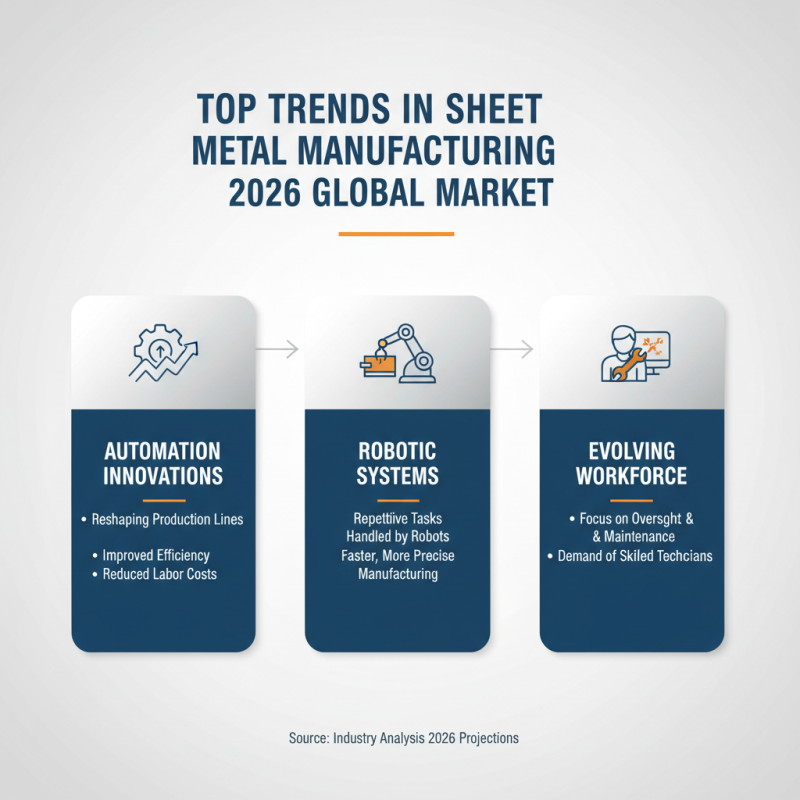
Top Trends in Sheet Metal Manufacturing for 2026 Global Market
As we look towards 2026, the sheet metal manufacturing sector is poised for significant transformation. Innovations in automation are reshaping production lines. These advancements improve efficiency and reduce labor costs. Companies are increasingly implementing robotic systems to handle repetitive tasks. This shift may lead to a more skilled workforce focused on oversight and maintenance.
Sustainability is another key trend. Manufacturers are harnessing eco-friendly materials and practices. The push for greener solutions is prompting the use of recycled metals. This not only lowers waste but also appeals to environmentally conscious clients. Consumers increasingly favor companies that prioritize sustainability. However, the transition can be challenging, as establishing a green supply chain takes time and investment.
Customization is on the rise. Businesses are adapting to meet specific client needs. Advanced software allows for tailored designs, creating unique product offerings. However, this adaptability can stretch resources thin. Balancing production speed with quality remains a concern. Many manufacturers must reconsider their operational strategies to navigate these new demands effectively.
Key Factors Driving the Sheet Metal Market Growth by 2026
As we approach 2026, several key factors are shaping the growth of the sheet metal market. The rise in construction activities globally plays a vital role. Urbanization drives the demand for durable materials. New buildings, infrastructure projects, and renovations all require high-quality sheet metal.
Technological advancements also contribute significantly. Innovations in metal processing enhance efficiency and product quality. Automation in manufacturing reduces labor costs and improves precision. However, these advancements can create gaps in workforce skills. Training and development must keep pace with technology.
Sustainability remains a crucial element. As industries prioritize eco-friendly practices, recycled metals gain traction. However, not all companies achieve this goal effectively. Balancing cost, quality, and environmental impact poses a challenge. Buyers will need to navigate these complexities as they seek reliable sources.
Top Sheet Metal Sheets for 2026 Global Buyers Guide
| Material Type |
Thickness (mm) |
Common Applications |
Market Growth Rate (2021-2026) |
Key Drivers |
| Aluminum |
0.5 - 5.0 |
Aerospace, Automotive, Construction |
6.5% |
Lightweight, Corrosion Resistance |
| Steel |
0.3 - 8.0 |
Construction, Manufacturing, HVAC |
4.2% |
Strength, Cost-Effectiveness |
| Stainless Steel |
0.5 - 6.0 |
Food Processing, Medical Equipment |
5.0% |
Durability, Hygiene |
| Copper |
0.2 - 4.0 |
Electrical, Plumbing |
3.8% |
Conductivity, Antimicrobial Properties |
| Titanium |
0.5 - 3.0 |
Aerospace, Medical Implants |
7.0% |
High Strength-to-Weight Ratio, Biocompatibility |
Emerging Materials and Technologies in Sheet Metal Production
The sheet metal industry is experiencing significant innovation as we approach 2026. Emerging materials and technologies are shaping production processes and efficiency. According to a recent industry report, the global sheet metal market is estimated to reach $243 billion by 2026, driven by the demand for lightweight and high-performance materials.
New materials, such as advanced composites and alloys, are becoming popular. These materials enhance durability while reducing weight. The introduction of smart manufacturing and automation technologies further streamlines production, reducing costs by up to 30%. However, integrating these technologies presents challenges in workforce training and initial capital investment.
**Tips:** Always evaluate the lifecycle of materials. This can help in selecting sustainable options. Engaging with your workforce during changes can foster a smoother transition. Regularly assess technology updates to stay competitive.
Moreover, companies face pressure to adopt environmentally friendly practices. The demand for recycled materials is on the rise, with reports indicating that recycling could reduce production costs by 18%. Embracing these trends will be crucial. Ultimately, continuous adaptation and learning will define success in this evolving landscape.
Top Sheet Metal Materials for 2026
Regional Analysis: Leading Markets for Sheet Metal Products in 2026
The global sheet metal market is poised for significant growth in 2026. Several regions are emerging as key players in this industry. North America, particularly the United States, is maintaining a strong manufacturing base. The demand for high-quality metal sheets in construction and automotive sectors is driving this growth. Local manufacturers are adapting to innovation and sustainability, but challenges remain.
In Asia-Pacific, countries like China and India lead in sheet metal production. Rapid industrialization has fueled an increase in demand. However, to remain competitive, these countries face issues regarding quality control and environmental regulations. The European market also presents opportunities, focusing on premium quality and eco-friendly materials.
Latin America is evolving but still grappling with infrastructural issues. The market is growing, yet it faces hurdles with supply chain disruptions. Each region presents unique advantages and challenges. The ongoing need for adaptability in production processes will shape the future landscape of the sheet metal industry.
Sustainability Practices in the Sheet Metal Industry for Future Buyers
Sustainability is a critical focus for the sheet metal industry as we move towards 2026. Companies are increasingly adopting practices that minimize environmental impact. This includes using recycled materials as raw inputs. Many producers now source scrap metal from recycling facilities. This process significantly reduces waste and conserves natural resources.
Manufacturing processes are also evolving. Energy-efficient technologies are becoming prevalent. Innovations in R&D are paving the way for cleaner production methods. However, challenges remain. Not all companies fully embrace these practices. Some still rely on traditional methods, leading to greater emissions. This gap highlights the need for industry-wide standards and benchmarks.
Engaging with supply chains responsibly is another vital aspect. Transparency in sourcing encourages ethical practices. Companies must ensure their partners also prioritize sustainability. Consumers increasingly demand awareness about where materials come from. This pressure can drive a broader shift towards sustainable practices.





 +86 18865111877