Top Wear-Resistant Steel Plate For Global Buyers?
In today’s industrial landscape, the choice of materials can significantly impact production efficiency and longevity. One critical component in heavy machinery and structural applications is the Wear-Resistant Steel Plate. These plates are designed to withstand the rigors of demanding environments, enhancing performance and durability.
Global buyers face an abundance of options, yet not all wear-resistant plates meet the required standards. Factors like hardness, toughness, and fabrication methods play a crucial role in determining quality. Many suppliers claim to have the best products, but it is vital to assess their expertise and the trustworthiness of their materials.
Selecting the right Wear-Resistant Steel Plate requires careful consideration of various attributes. Buyers need to look beyond mere specifications. Understanding the specific needs of their applications is essential. This reflection can lead to better decisions, ensuring that investments yield the desired outcomes.
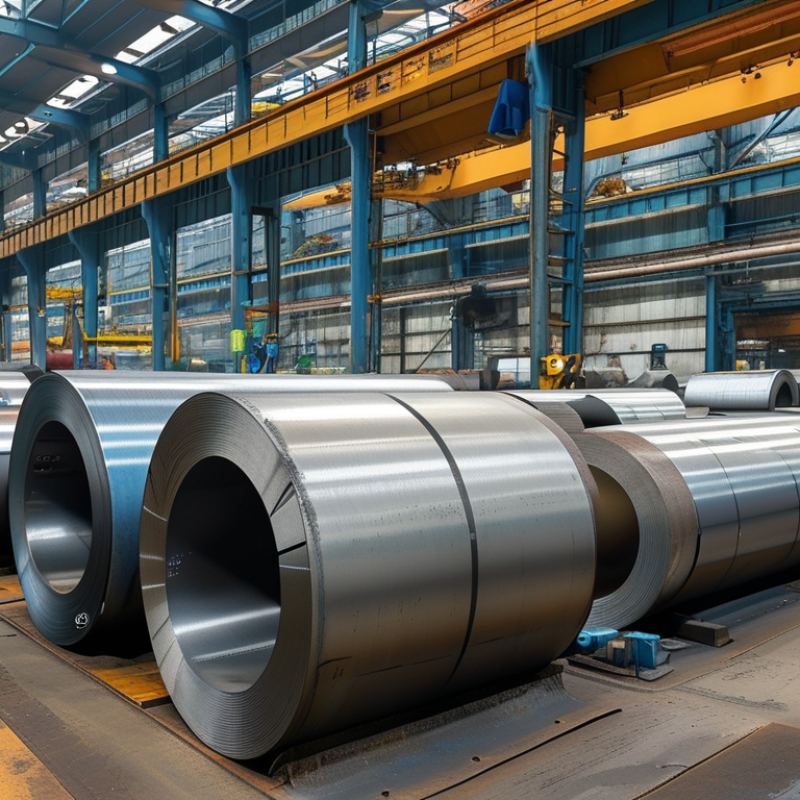
Understanding Wear-Resistant Steel Plates: Definition and Importance
Wear-resistant steel plates are essential in various industries for their durability. These plates are designed to resist abrasion, reducing wear and tear. They find applications in mining, construction, and material handling. The importance of these plates lies in their ability to extend the lifespan of machinery and structures, significantly improving efficiency.
Understanding wear-resistant steel plates involves recognizing their composition and manufacturing processes. They are typically made from high-carbon steel, providing exceptional hardness. However, not all plates offer the same level of resistance; some may wear out faster under certain conditions. Buyers need to consider factors like intended use and environmental conditions when selecting a steel plate.
There are different grades of wear-resistant steel. Each grade serves unique applications, complicating the selection process. Misunderstanding these grades might lead to poor investment choices. It is vital to consult with experts to ensure the right choice is made. Balancing cost and performance can be tricky, and a lack of knowledge might result in unexpected challenges.
Key Characteristics of Top Wear-Resistant Steel Plates for Buyers
When considering wear-resistant steel plates, buyers should focus on key characteristics that enhance durability.
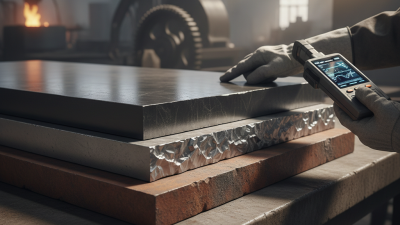
Hardness is crucial. The higher the hardness level, the better the material can withstand abrasion. There are various methods to measure hardness. Common tests include Brinell and Rockwell tests. Each provides insights into the steel's resistance to wear.
Another significant aspect is impact resistance. This characteristic determines how well the steel can absorb energy during heavy impacts. Ideal wear-resistant plates often combine high hardness with excellent toughness. Manufacturers typically achieve this balance by utilizing specific alloys and heat treatment processes.
It's important to note that no single steel plate suits all applications. Different industries require varying levels of wear resistance. Buyers must evaluate their specific needs. Diligence in selection will ensure optimal performance. However, some plates may not perform as expected under certain conditions. Continuous testing and feedback are essential for improvement.
Leading Global Manufacturers of Wear-Resistant Steel Plates
In the world of industrial applications, wear-resistant steel plates play a vital role. They are designed to withstand heavy abrasion and extreme conditions. This makes them essential in sectors like mining, construction, and manufacturing. Leading manufacturers focus on high-quality production methods. They enhance durability and extend the lifespan of these plates.
Global buyers should consider several key factors. Manufacturers must provide detailed specifications on material composition. Understanding each plate's unique properties is critical. Testing and certifications should also be available. Customers need assurance that these plates will perform under specific conditions. Some manufacturers struggle with quality control, leading to inconsistent products. This inconsistency can impact a project’s success.
Additionally, observing market trends can provide insights. Emerging technologies are shaping production methods. As the demand for wear-resistant materials grows, innovation is crucial. Manufacturers must adapt quickly to these changes. Buyers should stay informed about evolving standards and practices. This knowledge enables them to make more informed purchasing decisions.
Top Wear-Resistant Steel Plate For Global Buyers
| Material Grade |
Thickness (mm) |
Width (mm) |
Length (mm) |
Hardness (HB) |
Tensile Strength (MPa) |
Applications |
| AR400 |
4-40 |
1500 |
6000 |
400-500 |
1100-1300 |
Mining, Material Handling |
| AR500 |
5-50 |
2000 |
8000 |
500-600 |
1300-1500 |
Construction, Heavy Equipment |
| Hardox 400 |
3-40 |
1500 |
6000 |
400-500 |
1100-1300 |
Agriculture, Truck Bodies |
| Hardox 500 |
5-50 |
2000 |
8000 |
500-600 |
1300-1500 |
Mining, Recycling |
| NM400 |
4-35 |
1500 |
6000 |
400-500 |
1100-1300 |
Construction, Heavy Machinery |
Applications of Wear-Resistant Steel Plates in Various Industries
Wear-resistant steel plates play a vital role in many industries. These plates are known for their durability in harsh environments. They are essential in mining, construction, and manufacturing sectors. These industries rely on equipment that can withstand abrasion and impact. Using wear-resistant materials helps reduce maintenance costs and downtime.
In the mining industry, wear-resistant plates protect machinery from heavy wear. They are often used in bucket liners, chutes, and other critical components. In construction, they are found in heavy-duty vehicles and structural elements. Their ability to resist wear extends the lifespan of tools and equipment. This increases overall efficiency and productivity.
However, it's important to consider the limitations of wear-resistant steel. Not all applications may benefit from these specialized materials. Choosing the wrong type could lead to unexpected failures. Regular assessments and updates on material choices are necessary to ensure optimal performance. Balancing costs and benefits requires careful planning and expertise.
Applications of Wear-Resistant Steel Plates in Various Industries
Factors to Consider When Selecting Wear-Resistant Steel Plates
When selecting wear-resistant steel plates, several important factors come into play. Understanding material hardness is crucial. The Brinell hardness scale often measures this. Plates with a hardness rating of 450 HB or higher provide enhanced durability.
These plates withstand abrasion better, especially in high-impact environments. Industry reports indicate that a plate's lifespan can increase by over 30% when hardness is optimal.
Another key factor is the thickness of the steel plate. Thicker plates generally offer more resistance to wear but may increase weight. For example, plates exceeding 12 mm in thickness perform better in heavy-duty applications. However, they can be less manageable in terms of installation and transport.
Balancing thickness and weight is essential for efficient operations.
Additionally, the intended application should not be overlooked. Different industrial processes have varying requirements. For instance, mining or construction operations demand plates with different properties than those used in manufacturing. Often, buyers may need to experiment with different specifications. This trial-and-error process can lead to challenges but is essential for pinpointing the right steel plate. A thorough understanding of these appraisals enhances decision-making for long-term performance.



 +86 18865111877