Exploring China Best Checker Plate Sheet Types and Their Applications?
In recent years, the demand for Checker Plate Sheets has surged across various industries. These sheets are not only aesthetically pleasing but also provide functional benefits such as slip resistance and durability. According to a report by MarketsandMarkets, the global checker plate market is expected to reach $4.5 billion by 2025, growing at a CAGR of 5.4%. This growth is driven by the construction and automotive sectors, which rely heavily on these materials.
Industry expert Dr. Andrew Li emphasizes the importance of quality in Checker Plate Sheets, stating, “The right sheet can significantly enhance safety and efficiency in applications.” His insight reflects the critical role that these materials play in ensuring structural integrity and worker safety.
Despite the favorable market outlook, challenges remain. Manufacturers must stay ahead of technological advancements and sustainability trends to meet evolving customer needs. The Checker Plate Sheet industry must navigate quality control issues and material sourcing. Ultimately, understanding the various types and their applications is crucial for any business looking to leverage the unique advantages this product offers.
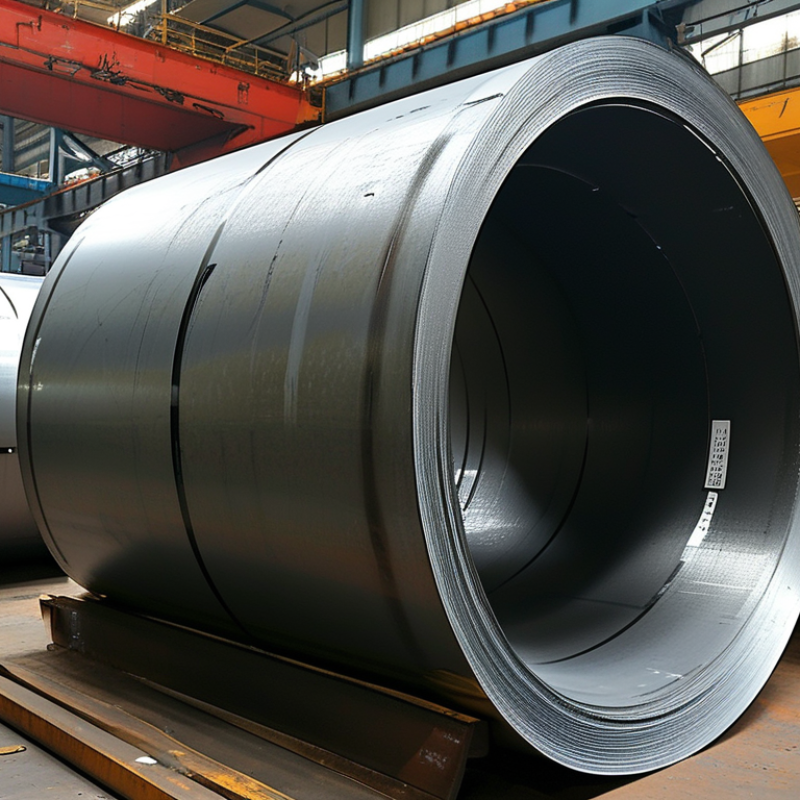
Types of Checker Plate Sheets: An Overview of Specifications and Standards
Checker plate sheets, also known as diamond plates, are crucial in various industries. They feature a raised pattern for improved grip and slip resistance. Common materials include aluminum and steel, each serving different specifications. Aluminum plates are lightweight, corrosion-resistant, and ideal for automotive and aerospace applications. Steel plates, on the other hand, provide superior strength and durability, suitable for construction and industrial environments.
When considering specifications, thickness and dimensions are vital. The American Standard specifies that checker plates can range from 1.5 mm to 6 mm in thickness. The choice of material also affects strength and weight. According to a recent industry report, the global checker plate market is projected to grow at a CAGR of 5.2% from 2021 to 2026. This indicates a rising demand driven by construction and transport sectors.
Understanding standards is essential for quality and compliance. Regulatory frameworks such as ASTM provide guidelines on dimensions and tolerances. Selecting the right type of checker plate sheet can be challenging. Each application demands specific properties. It’s important to evaluate factors like load requirements and environmental conditions. Missed specifications can lead to safety hazards or project delays.
Types of Checker Plate Sheets and Their Applications
The Manufacturing Process of Checker Plate Sheets in China
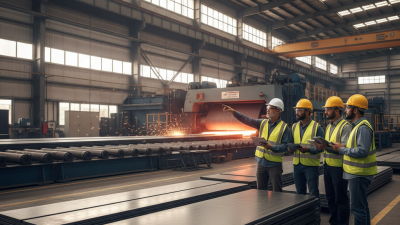
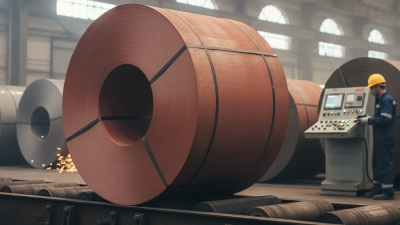
The manufacturing process of checker plate sheets in China involves several key stages. Initially, raw materials such as aluminum or steel are sourced and inspected for quality. These materials are then cut into manageable sizes before the production begins. Heavier sheets often require additional support structures to withstand the bending and shaping during manufacturing.
Once the materials are prepared, the actual manufacturing process starts. The sheets are subjected to rolling, where pressure is applied to create the characteristic raised patterns. Regular testing ensures that these patterns meet specified standards for durability and anti-slip properties. However, inconsistencies can emerge in thickness and pattern depth, leading to variability in the final product.
After the rolling process, the sheets undergo surface treatment. This is crucial for enhancing resistance to corrosion and wear. Techniques such as anodizing or painting are common. Despite meticulous attention to detail, there are occasions where surface defects may occur, impacting aesthetic quality. Continuous improvement and adaptation in manufacturing methods are essential for addressing these challenges and enhancing overall production outcomes.
Key Applications of Checker Plate Sheets Across Various Industries
Checker plate sheets are versatile materials with critical applications across various industries. These sheets are known for their durability and slip-resistant surfaces. Commonly used in construction, they provide stability on floors and platforms. The unique diamond pattern enhances traction, making them ideal for environments where safety is paramount.
In the automotive industry, checker plates serve as essential components in vehicle flooring. They withstand heavy loads and provide protection against wear and tear. However, the effectiveness of these sheets can vary depending on manufacturing standards. It’s crucial to select high-quality products to ensure longevity. Additionally, in manufacturing settings, these sheets can be utilized in walkways and storage areas. They help create safe working conditions, but not all types offer the same level of performance.
The decorative applications are also noteworthy. Checker plates can enhance the aesthetic appeal of home interiors and commercial spaces. Designers often incorporate them into furniture and wall panels. This trend reflects a growing appreciation for industrial aesthetics. Still, some may argue that these materials can seem overly utilitarian or harsh in softer designs. Evaluating the right balance between functionality and style is an ongoing challenge for many designers.
Exploring China Best Checker Plate Sheet Types and Their Applications
| Sheet Type |
Material |
Thickness (mm) |
Common Applications |
Load Capacity (kg/m²) |
| Aluminum Checker Plate |
Aluminum Alloy |
3 |
Flooring, Walkways |
400 |
| Steel Checker Plate |
Mild Steel |
5 |
Construction, Automotive |
800 |
| Stainless Steel Checker Plate |
Stainless Steel |
4 |
Food Processing, Chemical Industry |
600 |
| Galvanized Checker Plate |
Galvanized Steel |
3 |
Outdoor Applications, Stair Treads |
500 |
| Plastic Checker Plate |
Polypropylene |
6 |
Heavy-Duty Flooring, Lining |
300 |
Comparative Analysis of Material Types for Checker Plate Sheets
Checker plate sheets, known for their durability and functional design, come in various material types. Each offers distinct properties suited for different applications. Aluminum, for example, is lightweight and resistant to corrosion. This makes it ideal for outdoor uses, such as in transport and architectural features. However, its cost can be high for some consumers.
Steel checker plates are another popular option. They provide superior strength and load-bearing capacity, making them suitable for heavy industrial environments. Despite their strength, they are prone to rust if not properly coated. This leads to maintenance challenges that users must consider.
Lastly, plastic checker plates have emerged as a lighter, more flexible alternative. They resist chemical corrosion and are often used in food processing areas. However, their lower load capacity may not meet the demands of all industrial settings. Evaluating the right material is crucial to ensure the longevity and functionality of the checker plate sheets in use.
Market Trends and Future Prospects for Checker Plate Sheets in China
The market for checker plate sheets in China has shown significant growth in recent years. Increasing demand in construction and transportation sectors drives this trend. These sheets, often made of aluminum or steel, provide durability and slip resistance. Their applications range from flooring to protective coverings. Many industries recognize their benefits, leading to an upward trajectory in production.
Expert insights suggest that manufacturers are diversifying their offerings. New types of checker plate sheets emerge to meet specific industry needs. For instance, lightweight aluminum variants are gaining traction for automotive applications. Despite this progress, challenges remain. Issues such as inconsistent quality and supply chain disruptions impact the market. Stakeholders need to navigate these obstacles to ensure reliable sourcing.
Future prospects appear bright yet uncertain. As sustainability becomes crucial, the shift toward eco-friendly materials is vital. Companies must adapt to these changes to stay competitive. The industry may face hurdles in balancing cost and environmental impact. Increased innovation around materials can provide solutions, but continuous improvement is essential.




 +86 18865111877